







 English
 Español
 Français
 Italiano
 Deutsch
 Dansk
Dansk 日本語
日本語 Nederlands
 Polski
 Svenska
Camping in Iceland is one of the easiest ways to explore the country, especially in summer with long daylight hours and widespread campsites. However, it still requires more planning than many travelers expect. Knowing where you can and can’t camp and understanding the different types of camping can make all the difference in an enjoyable plan.
On our own trip, we quickly realized that camping in Iceland feels less like “roughing it” and more like moving through a network of well-placed bases between hikes and waterfalls. Here’s what you need to know about planning your camping trip in Iceland.
So, Where Can You Camp in Iceland?
Many people ask, “Can you camp anywhere in Iceland?” The short answer is no, in general, wild camping in Iceland is forbidden, but there are some exceptions for hikers in remote areas. The good news is that there are over 200 registered campsites throughout the country.
Official campgrounds are required for:
- Legal reasons
- Environmental protection
- Access to facilities
Wild camping is only allowed in very specific situations, including:
- A one-night limit in remote areas
- Not allowed near towns, roads, or on private land without permission
- May be completely forbidden in national parks and nature reserves
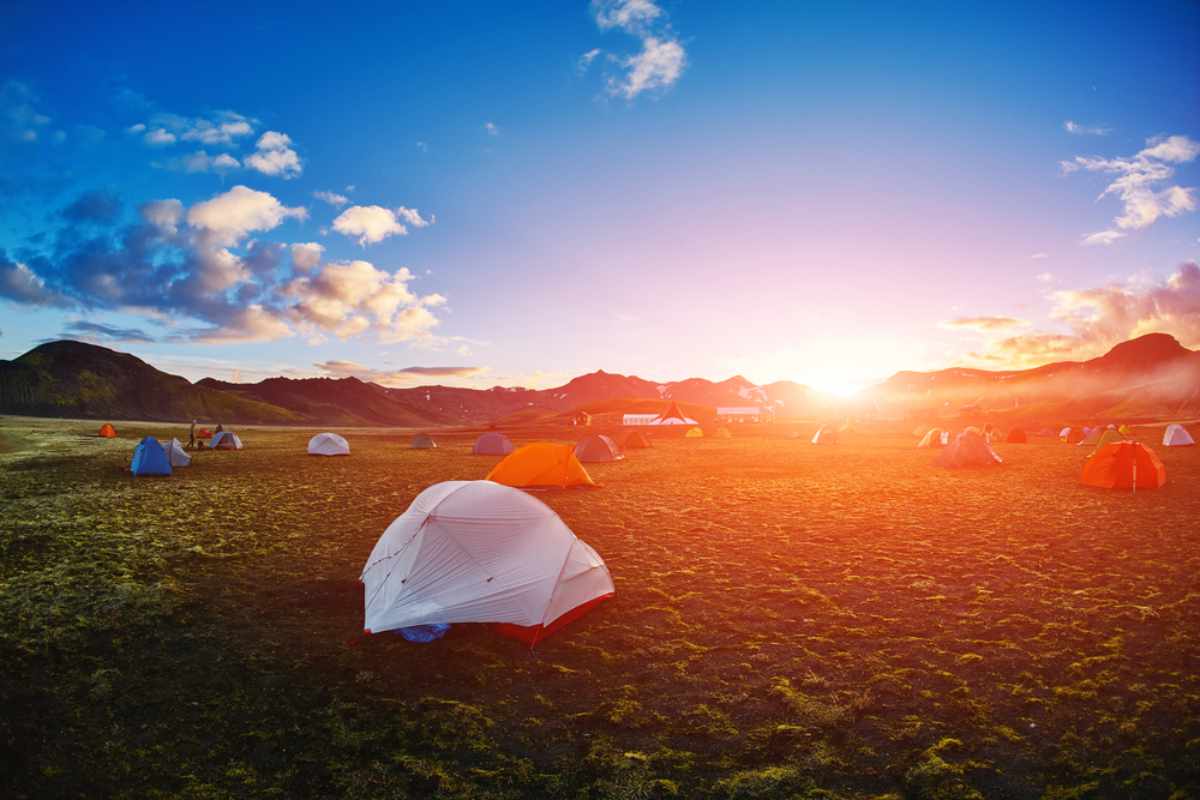
In practice, if a campground is accessible, you are expected to use it rather than wild camp.
Quick Answer: The Best Places to Camp in Iceland by Trip Style
Wondering which are the best campsites in Iceland based on your travel style?
Best for a first-time campervan trip
- Campsites around Reykjavík and near the Golden Circle (such as Þingvellir): easy access, clear rules, and great infrastructure
Best for scenic South Coast camping
- Sites near Vík and Skaftafell: dramatic waterfalls, glaciers, and black sand beaches
Best for a Ring Road camping trip
- Well-equipped campsites spaced along Route 1: consistent, reliable stops around the Ring Road
Best for year-round camping
- Sites open all year, like in Reykjavík or Akureyri: maintained, even in winter conditions
Best for tent campers
- Smaller, quieter campsites in the Eastfjords like Seyðisfjörður: less crowded, more sheltered
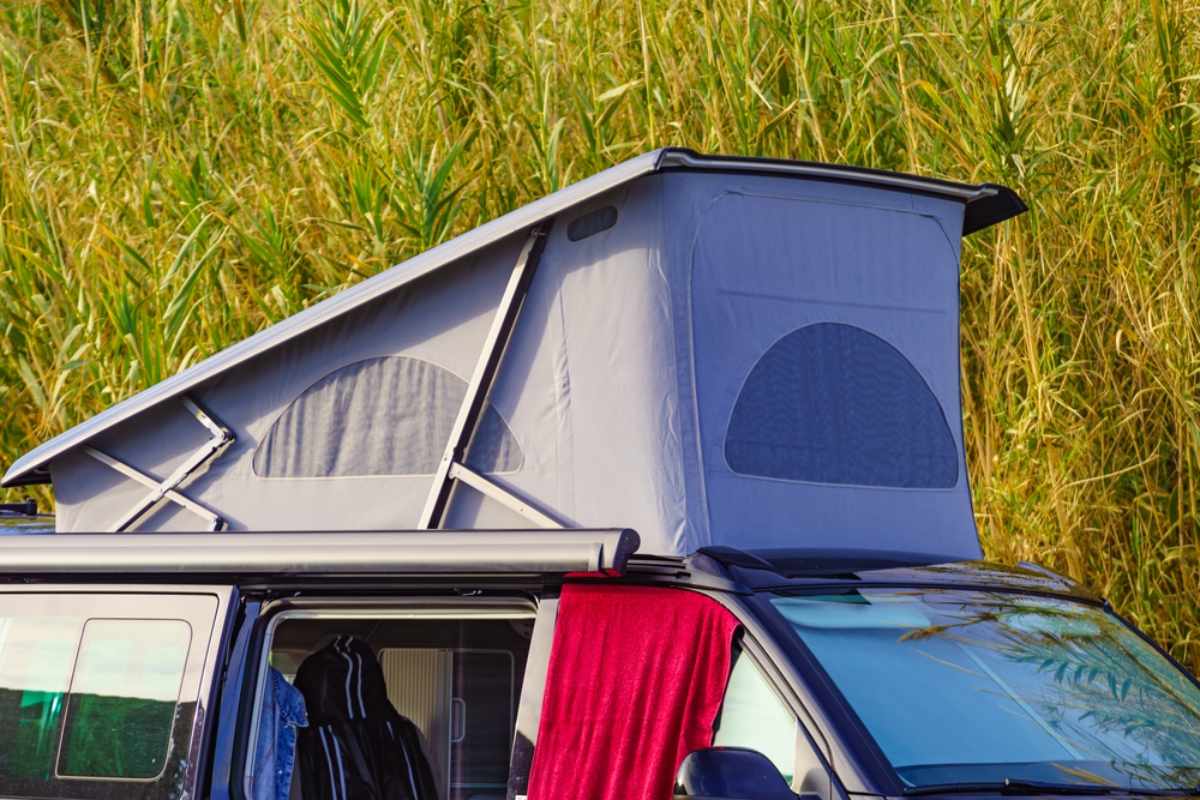
Best for travelers who want full facilities
- Larger campsites in Egilsstaðir or Selfoss: expect showers, kitchens, electrical hookups, and sometimes laundry
Best for travelers who want more remote-feeling sites
- Highland camps like Landmannalaugar (open in summer): rugged landscapes and fewer crowds, while still being in a designated campground
Can You Camp Anywhere in Iceland? The Rules You Need to Know First
No, you can’t simply camp anywhere in Iceland. Wild camping rules set by the Environmental Agency in Iceland in the Nature Conservation Act are extremely clear on what is allowed and what is forbidden, depending on how you are traveling.
Campervans, Motorhomes, and Vehicles
If you’re traveling by campervan, motorhome, or another type of vehicle:
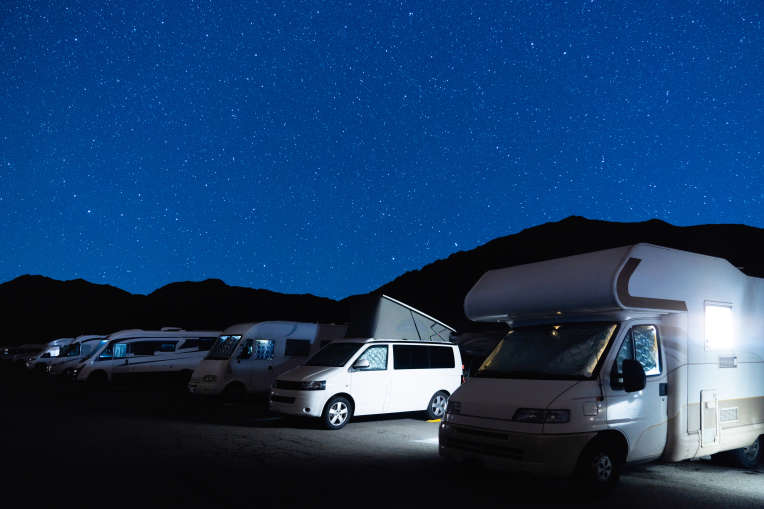
- You must stay in designated campgrounds unless you get explicit permission from a private landowner.
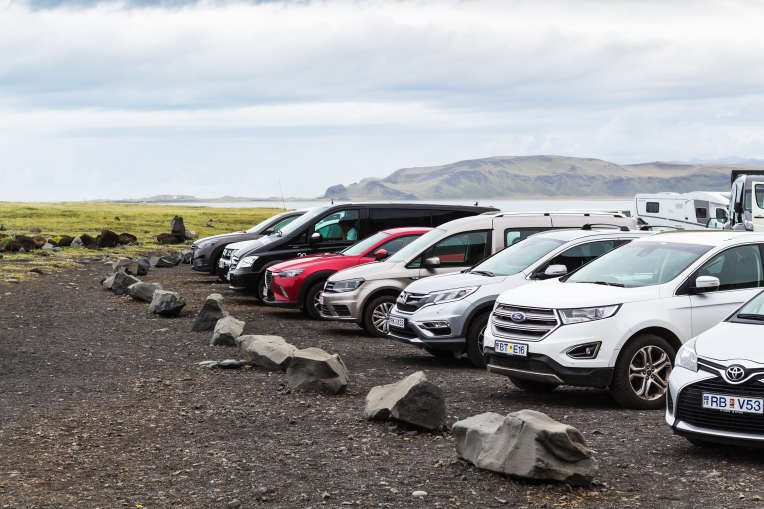
- Sleeping in a vehicle outside these campgrounds (such as in parking lots, pull-offs, or the roadside) is generally forbidden.
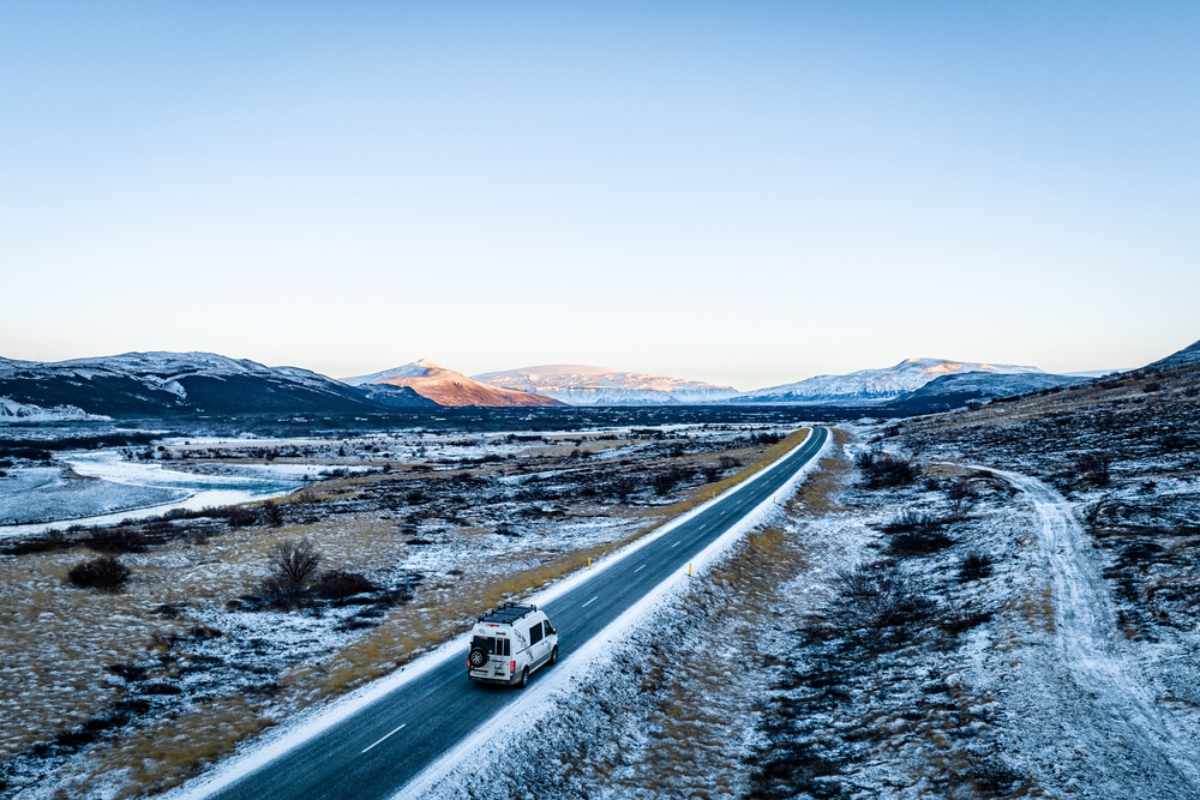
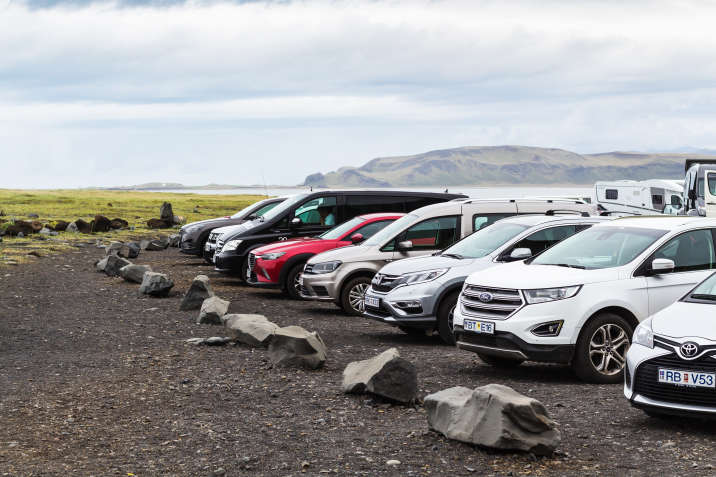
We saw a few campervans parked in roadside pull-offs to try to camp for the night, but those spots are often windy and exposed, and it’s not worth the risk of fines or being forced to move in the middle of the night.
Traditional Tent Camping
Tent campers have a little more flexibility, but options are still limited:
- You may camp for one night in remote areas if there is no campground nearby.
- You cannot camp near towns, farms, or private land without permission.
- Group camping or multiple tents generally requires staying in a campground.
Protected Areas and National Parks
At many of the natural wonders:
- Camping is only allowed in designated campgrounds or may be forbidden altogether.
- This includes places like Þingvellir National Park and Vatnajökull National Park.
In these protected areas, it’s actually more about preserving the landscape than restricting travel. Once you stay close to these beautiful areas and walk around a bit, you’ll see why these rules just make sense.
Local Rules Always Come First
This is the part many visitors may miss:
- Location-specific rules override the general guidance.
- Landowners, municipalities, and protected areas can set stricter regulations.
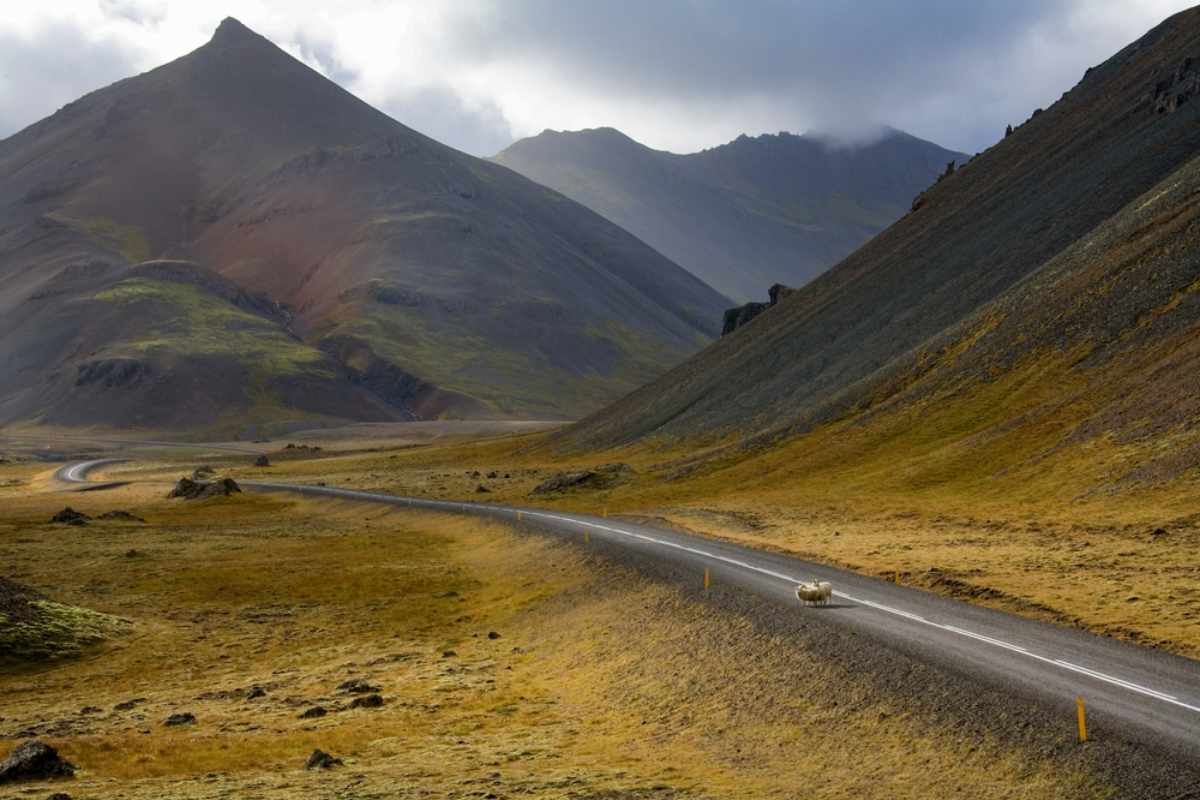
Even though Iceland is best known for its wild, open spaces, camping in Iceland is heavily regulated and enforced. To avoid getting fined or harming the environment, you should plan to use designated campgrounds throughout your journey unless you are absolutely sure it’s allowed.
How to Choose Where to Camp in Iceland
Whether you want to know where to stay in a campervan in Iceland or are looking for more remote campsites, choosing the right ones isn’t just about location. It’s about your route, setup, and travel style.
By Route
Start with your itinerary and work out from there. Once we locked in just 2-3 must-stop campsites in a region, the rest of the route naturally filled itself in without much planning stress.
- Golden Circle/Short Trips: Stay in Reykjavík or along the loop for easy access.
- South Coast: Base yourself near Vík or Skaftafell to break up the scenic drives.
- Full Ring Road: Plan stops along Route 1 every 2-4 hours. Campsites are well spaced, so there’s no need to rush.
Tip: Don’t try to wing it late at night; have an idea of your next stop in advance.
By Vehicle or Tent Setup
Your setup determines the flexibility of your campground choices:
- Campervans/Motorhomes: Stick to larger, accessible campsites with parking and the option for electrical hookups if needed.
- Tents: You can use smaller, more basic campsites and, in rare cases, camp remotely. However, weather exposure can be an issue.
In both cases, it’s safest to assume that you will have to stay in a designated campground.
By Season
Iceland can change dramatically, depending on the season:
- Summer (June-August): Almost all campgrounds are open, including Highland areas like Landmannalaugar.
- Shoulder (May, September): Fewer crowds, but some campgrounds and roads may be closed.
- Winter (October-April): Stick to year-round campsites like the one near Akureyri. Many rural campgrounds close in winter.
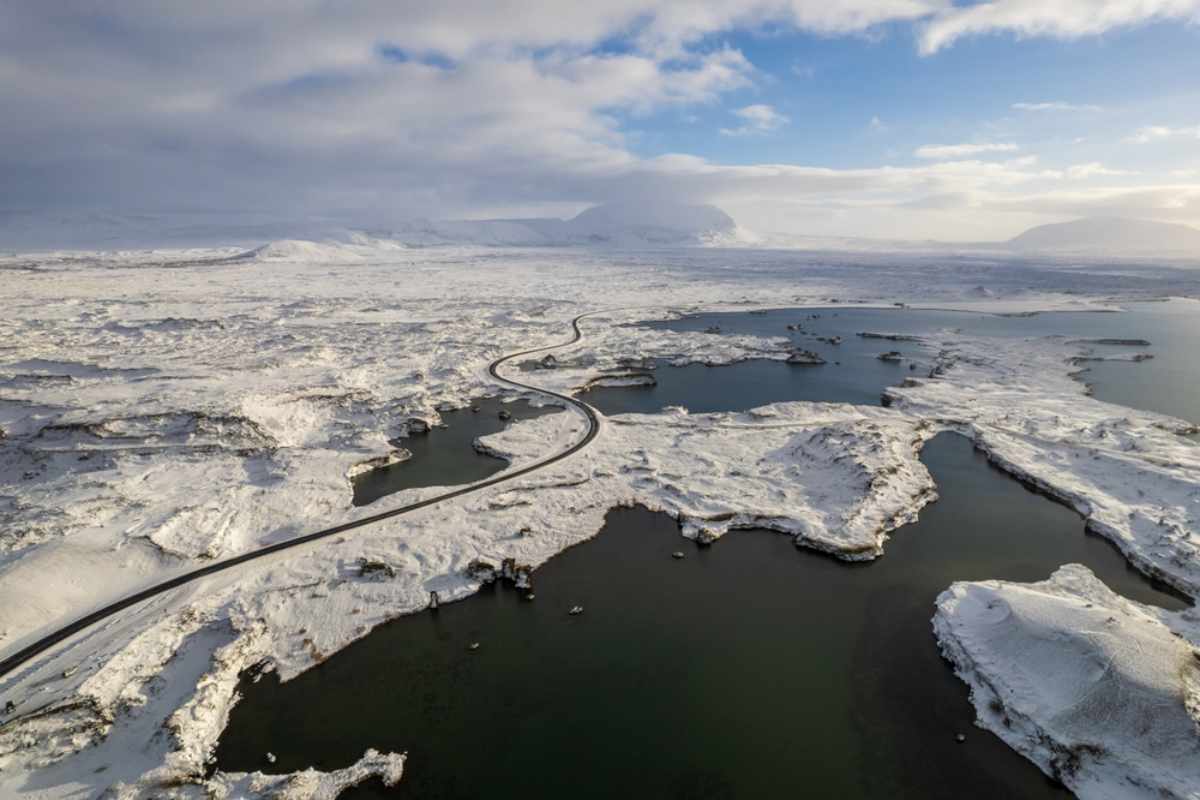
Always double-check opening dates before arriving at a campground.
By Facilities
Not all campgrounds are created equal:
- Basic Sites: Toilets and water. Ideal for shorter stays or tent camping.
- Mid-Range: Showers, kitchens, and common areas.
- Full Service: Electrical hookups, laundry, and WiFi. Common in larger towns like Selfoss.
Decide what you actually need each night, and choose your campground accordingly. You likely won’t need a full-service site every night.
By How Much Driving You Want to Do
Being realistic about how far you are comfortable driving each day will help you avoid scrambling for a place to stay:
- Short Driving Days (2-3 Hours): More time for hikes, photos, and relaxing evenings.
- Long Driving Days (4-6+ Hours): Fewer stops and more fatigue; plan for simpler campgrounds.
Iceland may look small on a map, but one thing we didn’t fully realize at first was how often we’d stop just to take photos or deal with weather shifts. Those moments easily added an extra hour or two to what looked like a short drive.
Choose your camping style quickly:
- Freedom and variety: Ring Road with planned stops
- Comfort and ease: Town campsites
- Best scenery: South Coast and Skaftafell
- Less Driving: Golden Circle base
Best Areas to Camp in Iceland by Route
If you plan your campsites around the route you choose, you can enjoy a smoother trip. Below, we’ll go over the most popular regions and where you should look for campgrounds.
South Coast
This is the most popular area for camping in Iceland. We ended up lingering here longer than planned because every short drive seemed to lead to another waterfall worth stopping for.
- Base near Vík for access to waterfalls and black sand beaches.
- Stay in Skaftafell for glacier hikes and exploring the national park.
You can expect campgrounds with plenty of amenities, but they will be more crowded. In summer, either book when possible or plan to arrive early.
Golden Circle and Nearby
The Golden Circle is another popular route that’s perfect for short trips and your first night.
- Stay near Þingvellir National Park for easy access to the main Golden Circle highlights.
- Camp near Geysir to minimize your driving distance.
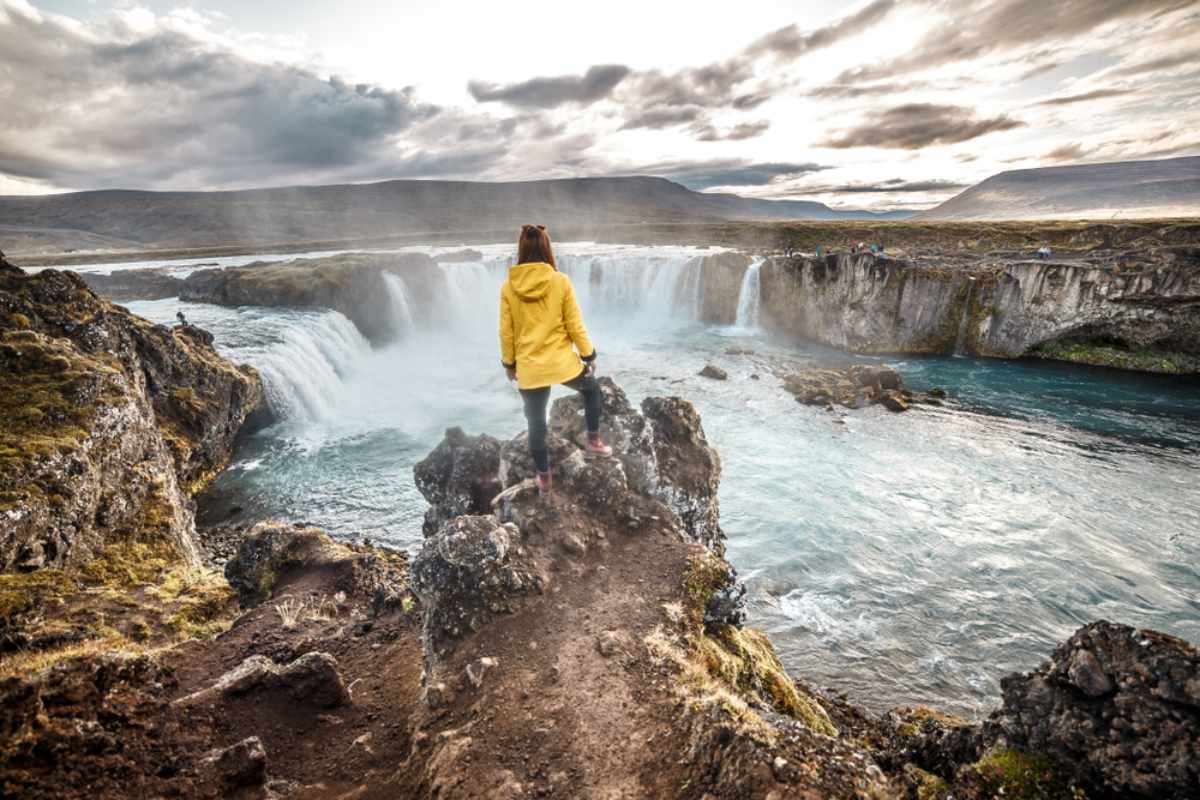
This area is a good starting point to ease into camping in Iceland without driving far on your arrival day.
Snæfellsnes and West Iceland
A compact, less crowded alternative to visiting the South Coast.
- Camp near Snæfellsjökull National Park for coastal cliffs and views of the volcano.
This is a great option for 1-2 nights to experience a variety of landscapes without doing the entire Ring Road.
North Iceland and Mývatn Area
Enjoy geothermal landscapes and fewer crowds than in other regions.
- Base yourself near Lake Mývatn for volcanic landscapes and geothermal features.
- Akureyri’s campground has more amenities for a comfortable stay.
The North strongly contrasts with the popular South. It’s quieter, but just as scenic.
Eastfjords
The Eastfjords are remote, scenic, and a slower-paced region. The Eastfjords are notably quieter and slower-paced than the South Coast.
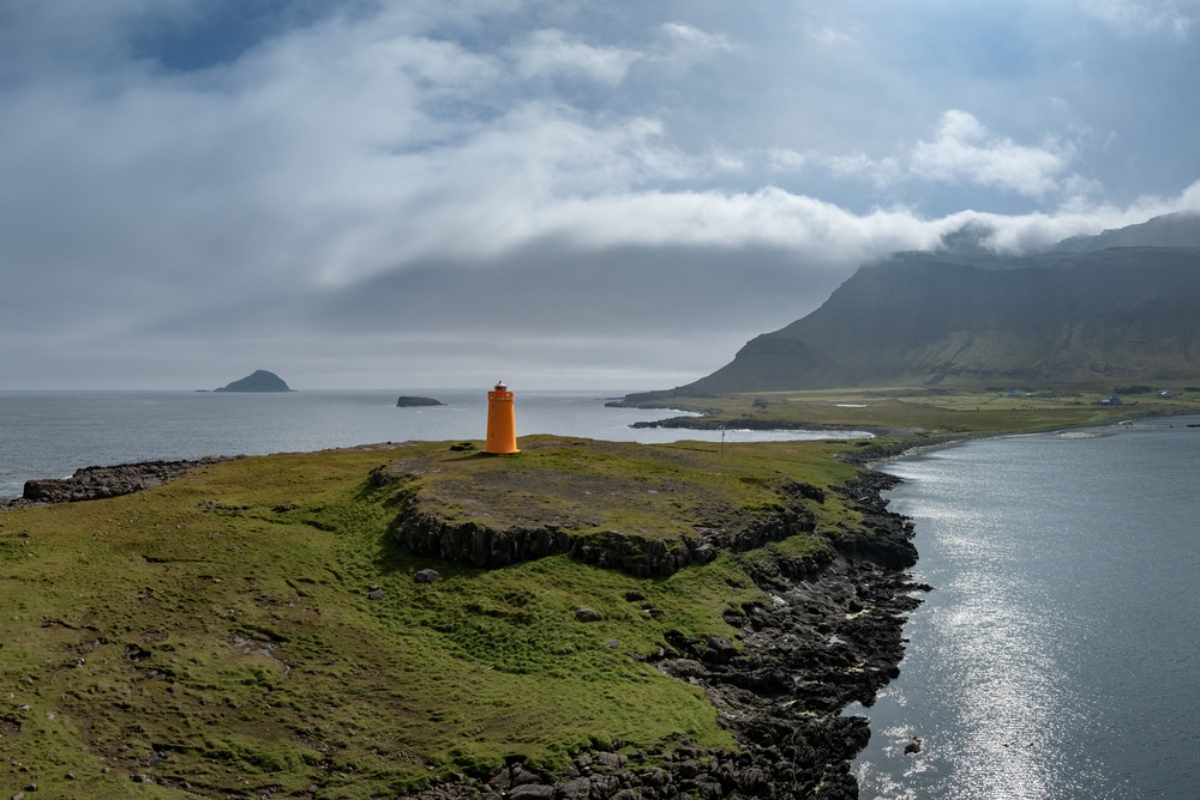
- Camp near Seyðisfjörður to enjoy fjord views and a peaceful vibe.
Some of our longest breaks on the trip weren’t planned stops, but moments where we just slowed down to take in the changing light over the water.
Westfjords
The Westfjords are the most remote region after the Highlands. We rarely saw other campers in some stretches here, which made the driving feel more like exploration.
- Fewer campsites, but the ones near Ísafjörður are dramatic.
This area is best for travelers who want more solitude and don’t mind longer, slower drives.
Ring Road Stop-by-Stop Logic
If you’re planning the entire circle, Ring Road campsites are frequent.
- Night 1-2: Golden Circle and early South Coast
- Night 3-4: Southeast (near Skaftafell)
- Night 5: Eastfjords
- Night 6-7: Lake Mývatn and Akureyri
- Night 8-9: West Iceland and return to Reykjavík
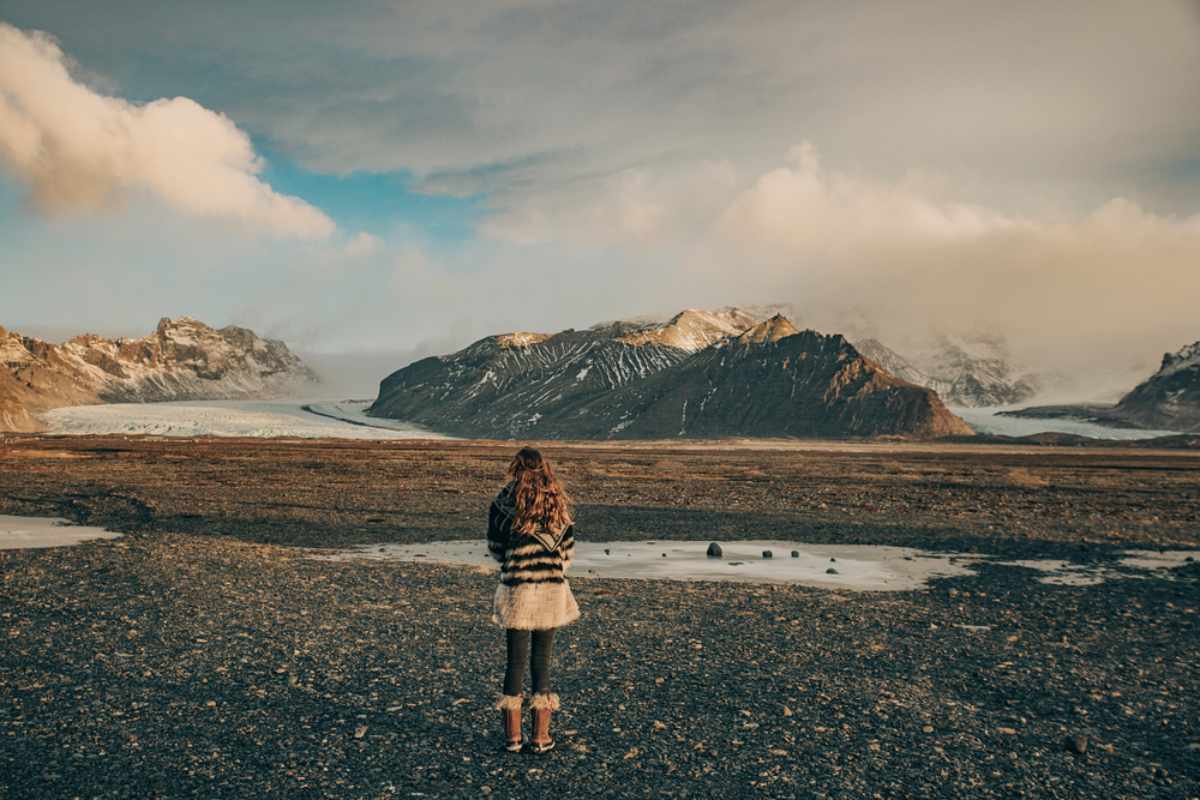
Plot your prospective campgrounds about 2-4 hours apart, then choose your sightseeing stops within that distance. We found this structure surprisingly accurate and more realistic in practice.
If you plan your campground stays region by region, you have the best chance of enjoying your trip at a relaxed pace without overdriving or missing the highlights.
Best Campsites in Iceland for Different Travel Styles
The Iceland campsite map isn’t the only way to choose the best campground. There are standout options based on your travel style. Here are the most reliable picks based on how you travel.
Reykjavík Eco Campsite
Just 3 km from downtown Reykjavík, this campground is the most convenient starting point for most camping trips. We used this as a “soft landing” night with hot showers and city access, making it easy to adjust to the time difference before starting the Ring Road.
- Price: Starting from 3375 ISK (~$28 USD)
- Facilities: Toilets, hot showers, cooking facilities, laundry, electrical hookups
- Access: Extremely easy to reach via paved roads, close to the city centre
- Opening: Year-round
- Best for: First-time campervan travelers, year-round camping, easy city access
Skaftafell Campground (Vatnajökull National Park)
Located in Southeast Iceland within Vatnajökull National Park, this is a popular campsite due to its dramatic scenery. We woke up here to a low cloud sitting over the glacier, which cleared just enough later in the morning for a hike to Svartifoss.
- Price: 2800 ISK per person (~$23 USD)
- Facilities: Toilets, hot showers, dumping station, electrical hookups, laundry, hiking paths
- Access: Very easy, a short detour from the Ring Road on paved roads
- Opening: Year-round
- Best for: Dramatic scenery, hiking-focused trips, first-time Ring Road travelers
Hamrar (Akureyri)
This campground is found in Akureyri, otherwise known as the “Capital of the North.” It’s a convenient base for exploring the north.
- Price: 2500 ISK per person (~$20 USD)
- Facilities: Toilets, hot showers, laundry, cooking facilities, electrical hookups, walking paths
- Access: Easy, reachable via paved roads through Kjarnaskógur
- Opening: Year-round
- Best for: Comfort, long stays, year-round camping
Skógar Campsite
This campsite is one of the few places you can camp with an iconic view of a waterfall like Skógafoss. This South Coast campground is a little more primitive than some of the others.
- Price: 2200 ISK per person (~$18 USD)
- Facilities: Toilets, hot showers, electricity, waste disposal
- Access: Very easy, located right at Skógafoss
- Opening: Year-round
- Best for: Scenic overnight stop on the Ring Road, travelers chasing iconic South Coast views
Þakgil Campsite
A hidden campsite close to Vík, this is one of the most dramatic campsites, tucked deep in a lush canyon. The drive in felt more dramatic than expected, and we arrived late enough that the canyon was completely quiet except for the wind through the valley. It’s the perfect place for adventurous campers who want a little more solitude.
- Price: 2800 ISK per person (~$23 USD)
- Facilities: Toilets, hot showers, electricity, hiking paths
- Access: Moderately difficult gravel road; high clearance is recommended
- Opening: Approximately June 1-September 30
- Best for: Adventurous travelers, off-the-beaten-path camping, dramatic canyon landscapes
Egilsstaðir Campsite
Egilsstaðir is the main hub of the Eastfjords, and this campground is popular. It’s one of the few campsites that includes showers in the price.
- Price: 2750 ISK per person (~$22 USD)
- Facilities: Toilets, hot showers, laundry, waste disposal, electrical hookups
- Access: Very easy, close to the Ring Road
- Opening: Year-round
- Best for: Comfort-focused travelers, a convenient stop in the Eastfjords
Seyðisfjörður Campsite
If you’re looking for a quieter campground in the east, the Seyðisfjörður campground is an ideal option. This was one of the most peaceful stops of the trip. Mornings here felt noticeably slower compared to busier South Coast campsites.
- Price: 2450 ISK per person (~$20 USD)
- Facilities: Toilets, hot showers, laundry, electrical hookups, hiking paths
- Access: Very easy, located in the town centre
- Opening: Approximately May 1-September 30
- Best for: Tent campers, quiet surroundings, scenic fjord views
Hveravellir Campsite
This campground is in the Highlands, nestled between two glaciers, for a unique camping experience.
- Price: 2800 ISK per person (~$23 USD)
- Facilities: Toilets, hot showers, natural hot pools
- Access: Difficult; mountain roads that require a 4x4 vehicle
- Opening: Approximately June 1-September 30
- Best for: Remote Highland camping, travelers seeking a rugged, isolated experience
Landmannalaugar Campsite
Camp among the colorful rhyolite mountains in this Highlands campground. It’s the perfect place to get away from it all.
- Price: 3400 ISK per person (~$28 USD)
- Facilities: Toilets, hot showers, cooking facilities
- Access: Difficult, mountain roads that require a 4x4, some river crossings are possible, depending on the route
- Opening: Approximately June 20-September 15
- Best for: Hiking enthusiasts, travelers seeking unique Highlands landscapes
Gesthús Camping in Selfoss
Right in town, campers staying at this campground get access to shops, restaurants, and more for a comfortable stay in an important South Iceland hub.
- Price: 3000 ISK per person (~$24 USD)
- Facilities: Toilets, hot showers, laundry, waste disposal, cooking facilities, hot tub
- Access: Very easy, right in town
- Opening: Year-round
- Best for: Travelers who want hot showers, kitchens, and a comfortable mid-trip reset
Höfn Campsite
Tjaldsvæðið Höfn í Hornafirði is found in the town of Höfn near Vatnajökull Glacier. It’s a convenient place to stop before continuing your journey.
- Price: 2200 ISK per person (~$18 USD)
- Facilities: Toilets, hot showers, laundry, electrical hookups
- Access: Very easy, on the outskirts of town
- Opening: Approximately May 15-September 15
- Best for: Scenic coastal stop, convenient overnight stay for Southeast Iceland
Kirkjubær II Campsite
This campground is located in Kirkjubæjarklaustur in the south, close to Stjórnarfoss and all the town’s amenities. It’s a good combination of beauty and convenience.
- Price: 2000 ISK per person (~$16 USD)
- Facilities: Toilets, hot showers, cooking facilities, electrical hookups
- Access: A short, paved detour from the Ring Road
- Opening: Approximately March-November
- Best for: One-night Ring Road stop, easy access to nearby attractions
Grindavík Campsite
This campground is conveniently located near the international airport and the Blue Lagoon on the Reykjanes Peninsula, making it a desirable stop for campers.
- Price: 2400 ISK per person (~$20 USD)
- Facilities: Toilets, hot showers, laundry, cooking facilities
- Access: Very easy, paved roads
- Opening: March 1-November 30
- Best for: First or last night, easy access to major attractions
Stykkishólmur Campsite
If you’re looking for a place to stay on the Snæfellsnes Peninsula, the Stykkishólmur Campsite is a bit out of the way, but a perfect base for touring the area.
- Price: 1800 ISK per person (~$15 USD)
- Facilities: Toilets, hot showers, laundry, waste disposal, electrical hookups
- Access: Very easy, right in town
- Opening: Approximately May 15-August 31
- Best for: Exploring Snæfellsnes, relaxed small-town camping
Djúpivogur Campsite
Djúpivogur has a convenient campsite right in the heart of town, with all services within 500 meters. It’s one of the most convenient East Coast campgrounds without the crowds.
- Price: 2100 ISK per person (~$17 USD)
- Facilities: Toilets, hot showers, laundry, cooking facilities, electrical hookups
- Access: Easy, in the middle of town
- Opening: Year-round
- Best for: Quiet, off-the-beaten path stays in East Iceland
Camping 66.12 North
Camping 66.12 North is on the Tjörnes peninsula in North Iceland. We weren’t expecting to find a campground here, but were pleasantly surprised when we pulled in. It’s the perfect place for a secluded camping experience with a fantastic overview of the fjord.
- Price: 2000 ISK per person (~$16 USD)
- Facilities: Toilets, hot showers, cooking facilities, electrical hookups
- Access: Easy access, paved roads
- Opening: Approximately March 1-November 15
- Best for: Coastal scenery, peaceful camping, tent camping
Summer-Open vs. Year-Round Campsites
One of the most important details of planning your Iceland camping trip is when the campgrounds are open. Many campsites in Iceland only operate in the summer, closing around mid-September. However, there are year-round options.
Summer-Open Campgrounds
The majority of campgrounds:
- Open roughly May through September (sometimes June-August for more remote campgrounds)
- Include Highland sites like Landmannalaugar
- Cover much of the Ring Road outside major towns
These sites:
- Often have excellent access and scenery
- May offer fewer services in the early or late season
- Close completely once temperatures drop or access roads close
If you’re traveling in summer, you’ll have the largest selection of campgrounds.
Year-Round Campgrounds
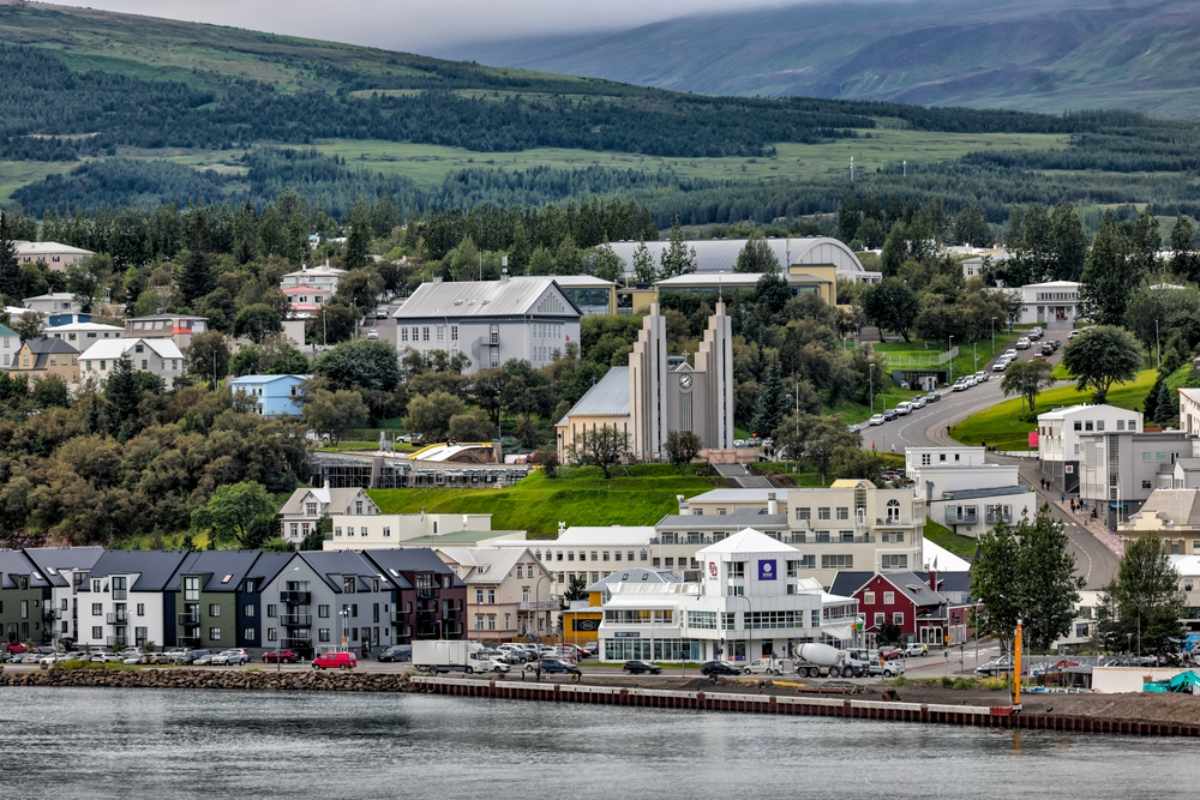
A smaller network of campgrounds remains open throughout the year, mostly near populated areas:
- Near Reykjavík
- Around Akureyri
- Along popular stretches of the Ring Road
These sites:
- Provide consistent access all winter
- Are more likely to have heated facilities, electrical hookups, and maintained roads
- Serve as essential stopping locations when others are closed
In winter, you often have to plan your route around the year-round campsites, not just your preferred destinations.
Why It Matters for Planning
- In summer, you can be flexible and choose your campgrounds as you go.
- In shoulder seasons, check the closing dates carefully.
- In winter, plan each campground in advance based on year-round sites.
What to Expect at Icelandic Campsites
Campgrounds in Iceland are generally clean, well-organized, and simple, but available amenities vary a lot by location and season. Here’s what campgrounds generally offer:
Basic Facilities
Most campsites in Iceland have basic facilities, including:
- Toilets
- Cold water access
- A designated place to park or pitch a tent
Even smaller campsites cover these basic amenities, typically included in the price.
Showers, Electricity, and Extras
These amenities are common at many campgrounds, but they aren’t always included:
- Hot showers: Often available, but sometimes require a small fee
- Electrical hookups: Available at larger sites for campervans or motorhomes, usually paid separately
- Wi-Fi: Increasingly common, but not guaranteed in remote areas
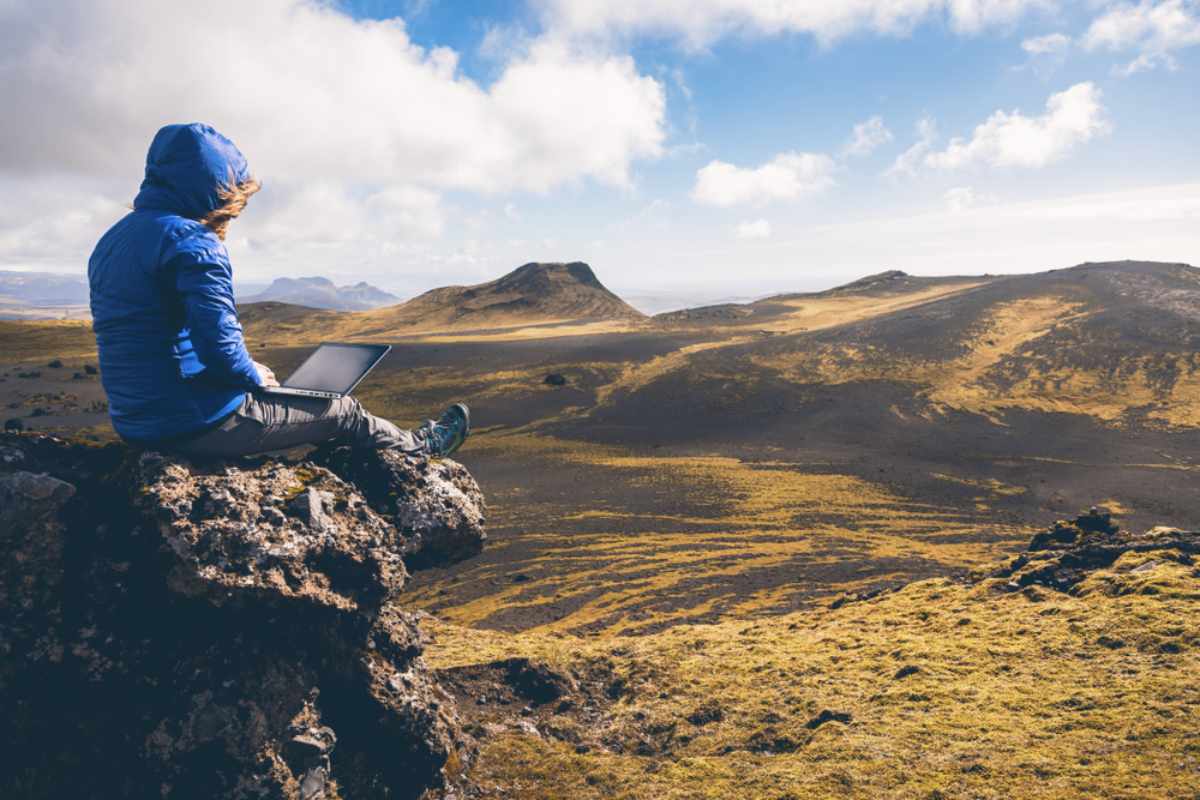
Don’t assume everything is included in the base price. Check which extras require paying more when you arrive. We were surprised by how often payment was on the honor system or done through an app, especially in more remote areas.
Kitchens and Common Spaces
Mid-range and larger campsites often include:
- Indoor kitchens or cooking shelters
- Dining or other common areas
- Laundry facilities in some locations
You’ll find campgrounds with these features near larger towns like Selfoss or Akureyri, and less commonly in remote areas.
Payment and Check-In
Campsites in Iceland have varying payment and check-in options. These systems may include:
- On-site payment: Pay a staff member or the reception desk on arrival
- Self-service: Some sites use honesty boxes or automated payment systems
- Digital check-in: Some campsites use apps like Parka for payment and registration
Do You Need to Book Ahead?
- Summer (Peak Season): Popular sites can fill up, so you should book on the Parka app if it’s available or plan to arrive early to secure your spot.
- Off-Season: You rarely need to book, but confirm the campground is open before arriving.
Unlike hotels, most campsites operate on a first-come, first-served basis with no need or ability to book ahead.
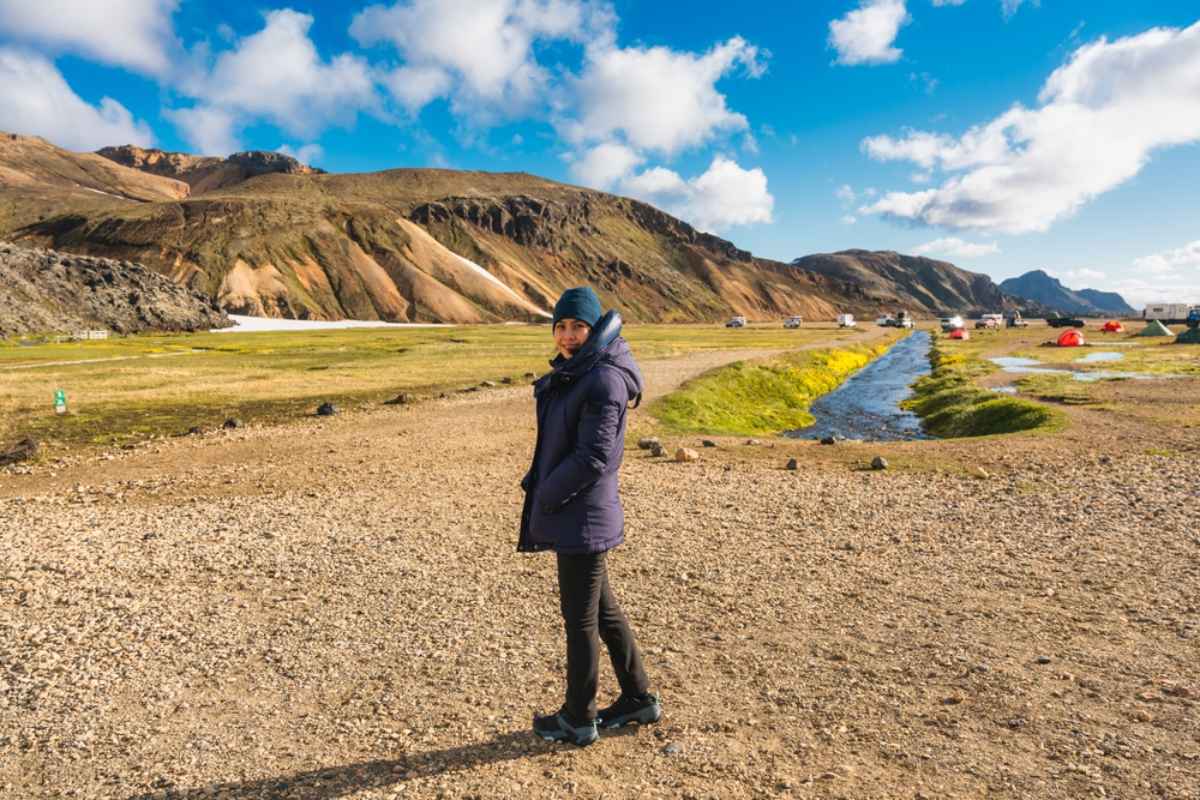
Camping in Iceland is built for needs, not necessarily luxury or comfort. Most sites offer basic amenities, but expect to pay more for extras like showers, laundry, and electricity. Knowing how campgrounds operate will help you avoid surprises.
Common Mistakes People Make When Choosing Where to Camp in Iceland
A lot of the issues you might experience while camping in Iceland result from incorrect assumptions and information. If you know what to avoid, you can enjoy a less stressful camping trip.
Assuming Campervans Can Stay Anywhere
We saw a couple of travelers re-routing last-minute because they assumed roadside stops would be fine, which ended up costing them extra driving time late in the evening.
- You cannot just pull over and sleep in a campervan
- The National Conservation Act from the Environmental Agency of Iceland requires you to use official campsites or get permission
Iceland has a large, structured camping network, so there’s no need to wild camp.
Choosing Campsites Solely by Scenery
Iceland is absolutely stunning, but:
- The most scenic spots, like Skaftafell, are often crowded or exposed to weather
- You may sacrifice shelter, amenities, or convenience
It’s better to choose campgrounds with a balance of scenery, wind protection, facilities, and location along your planned route.
Ignoring Seasonal Opening Dates
Many campsites:
- Close outside the summer months
- Open late or close early based on weather conditions
This is especially true for campgrounds in the Highlands. Always check if your next stop is open; don’t assume.
Underestimating How Useful Town Campsites Can Be
Some travelers skip campgrounds in or near towns because they are less rustic, but:
- Campsites in places like Akureyri and Selfoss have more amenities, such as showers, kitchens, laundry, and shopping nearby
These stops are perfect for a mid-trip reset, resupplying your stock, or simply resting.
Not Checking Rules for Protected Areas
Many of the most iconic locations have stricter rules. Camping may be:
- Restricted to designated spots
- Banned entirely outside official campsites
This applies to places like Þingvellir National Park. Always check for signs or local guidance. Some Iceland camping rules change by location.
Most camping mistakes result from treating Iceland as more of a flexible destination than it really is. However, if you respect campsite rules, check seasonal openings, and plan your stays around your route, you’ll easily avoid these common errors.
Final Recommendation: Where Should You Camp in Iceland?
On our own route, we realized we naturally followed a similar pattern, starting near Reykjavík, then gradually moving clockwise around the island. If you take away just one thing from this article, here’s how to approach camping in Iceland based on your preferred trip style:
|
Travel Scenario |
Best Strategy |
Where to Focus |
Why It Works |
|
First-Time Campervan Trip |
Stay close to main routes and established campsites |
Reykjavík, Golden Circle, South Coast |
Minimizes risk: easy roads, full facilities, predictable driving |
|
Ring Road Trip |
Pre-plan stops every 2-4 hours along Route 1 |
Route 1 plus Skaftafell, Egilsstaðir, and Akureyri |
Prevents fatigue: balances driving load with sightseeing access |
|
Summer Camping |
Use full flexibility and include Highlands where open |
Landmannalaugar, South Coast, other interior routes |
Maximum access, but requires weather flexibility and planning |
|
Year-Round Camping |
Anchor a trip around major towns with reliable sites |
Reykjavík, Akureyri, Selfoss |
Most reliable option: fewer choices, but guaranteed access |
|
Scenery-Focused Trip |
Prioritize landscapes, then match the nearest legal campsite |
Vík, Skaftafell, Snæfellsnes |
Best views, but tradeoff is exposure and crowds |
FAQ
These are the questions we found ourselves double-checking most often while planning our trips:
Can you camp anywhere in Iceland?
No, camping is regulated, and you generally are required to stay in official campsites unless you have landowner permission. These rules are especially strict on campervans and other vehicles.
Is wild camping legal in Iceland?
Wild camping is only allowed in highly specific situations. Tent camping may be allowed for a single night in remote areas when no campgrounds are nearby. It is not allowed in or near towns, farms, protected areas, or private land.
Do campervans have to stay in campsites?
Yes, campervans, motorhomes, and other camping vehicles are required by law to stay in official campsites. Sleeping in vehicles outside these designated areas can result in heavy fines.
Do I need to book campsites in Iceland?
In most cases, no. Many campgrounds are available on a first-come, first-served basis, especially outside peak summer months. However, in busy areas during the summer, arriving early is recommended if booking isn’t available.
Which campsites stay open year-round?
A limited number of campgrounds remain open through the winter. These campgrounds are generally in larger towns, such as Reykjavík or Akureyri, or along key routes along the Ring Road.
What is the best area to camp in Iceland for a first trip?
For a first-time visitor, the South and Southwest regions are the best choice. Consider:
- Around Reykjavík for the first and last night
- The Golden Circle for sightseeing
- The South Coast near Vík for dramatic scenery
This area keeps driving distance manageable while seeing the highlights.


