








 English
 Español
 Français
 Italiano
 Deutsch
 Dansk
Dansk 日本語
日本語 Nederlands
 Polski
 Svenska







WIN A FULL REFUND
Share your positive experience with Travel to Iceland and get a chance to win a 100% refund.
GRAND SAVINGS
READY FOR THE DISCOUNTS TO ROLL IN?

Savings per booking
Avg. 7%

Plenty of offers
Year-round

Travel community
Over 100k

Human support
Within 2h
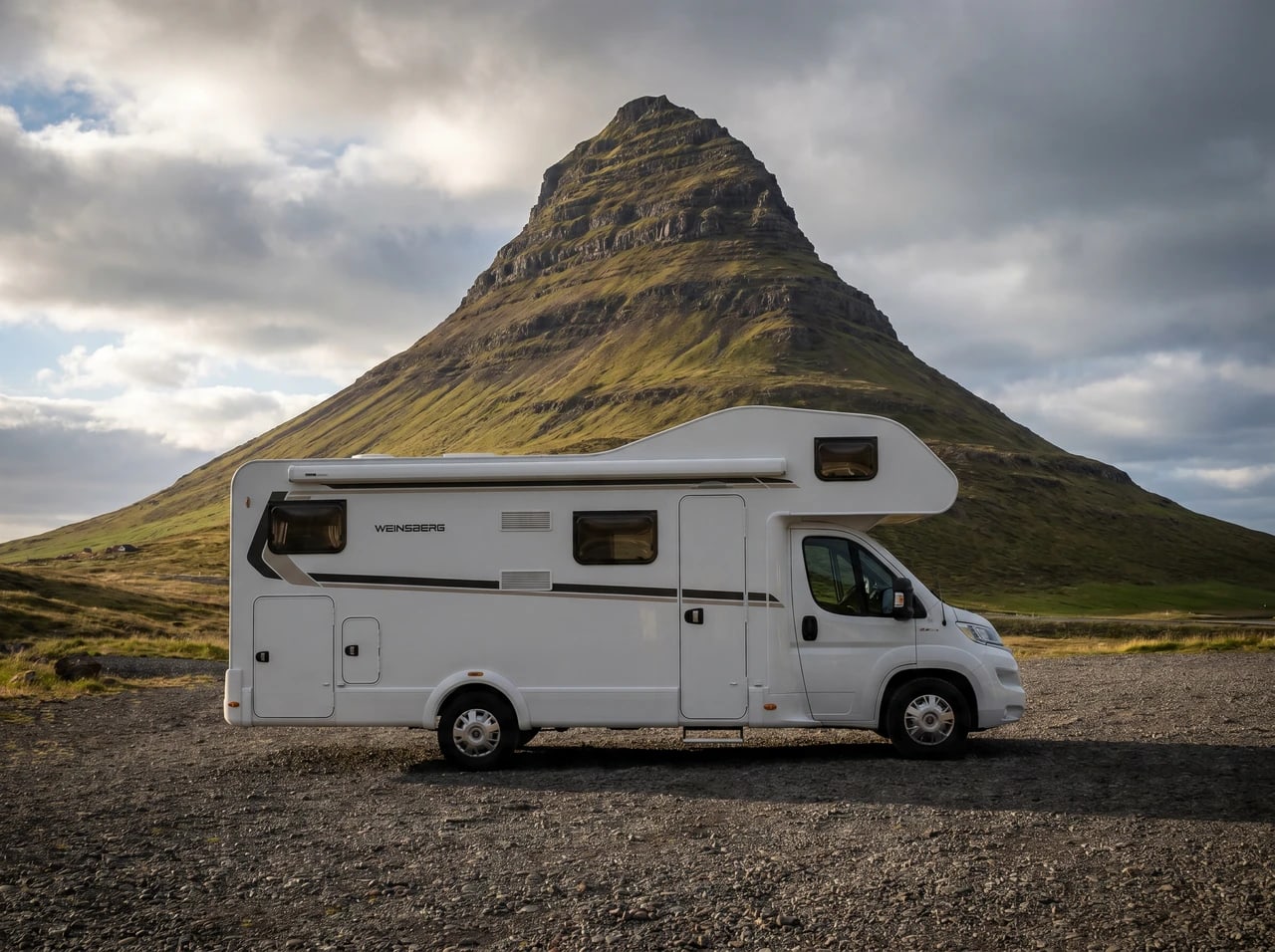
Compare motorhome rental deals in Iceland from top providers.

Starting from
$373 / day
Before $439
Starting from
$283 / day
Before $304
Starting from
$245 / day
Before $263
Starting from
$356 / day
Starting from
$298 / day
Before $320
Starting from
$300 / day
Before $353
Starting from
$448 / day
Before $527
Starting from
$389 / day
Before $458
Iceland’s top brands and the lowest prices in just one search.
Because with us, the best extras aren't extra.

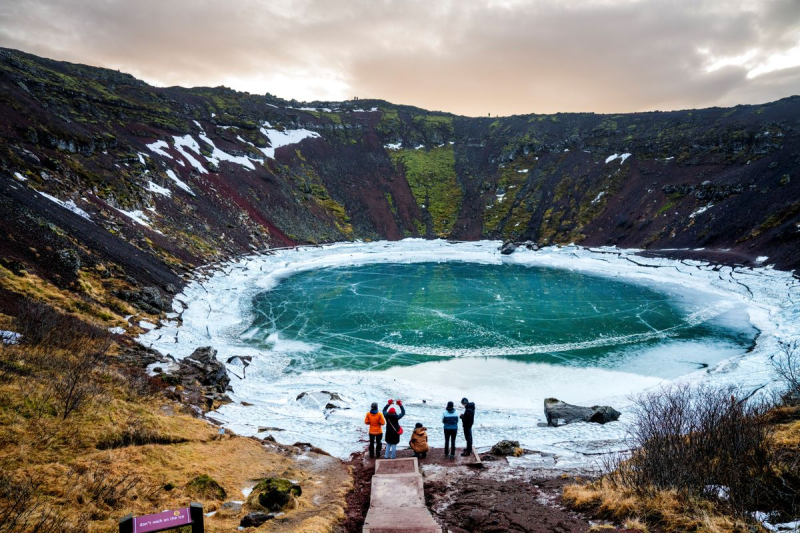
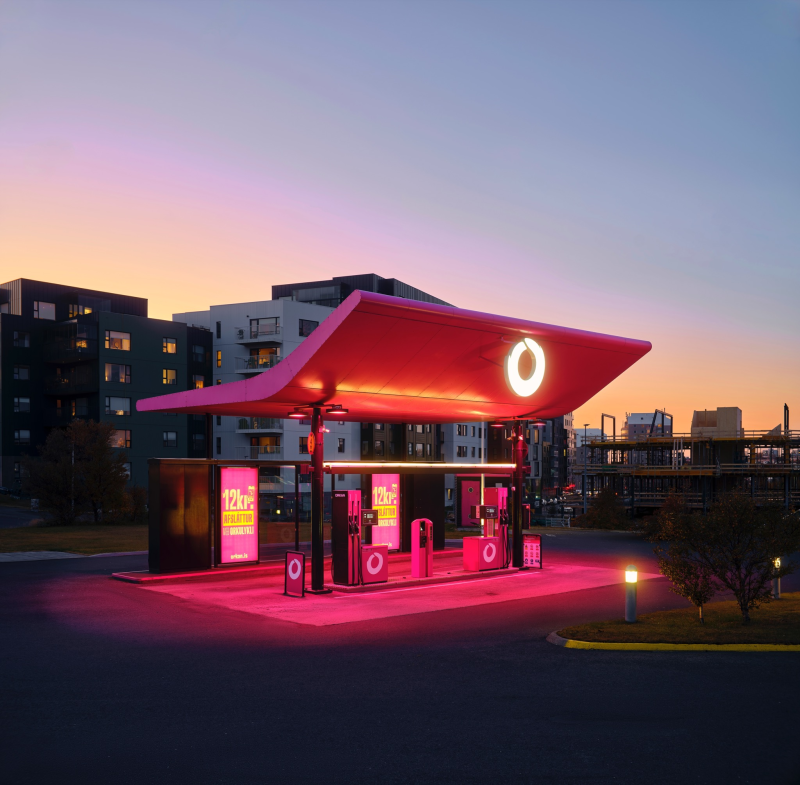
Book now for a chance to enter our raffle and win a full refund.

Let's fuel those numbers — your ultimate gas estimator.³
4,935 ISK
≈ $40 USD
Approx. cost
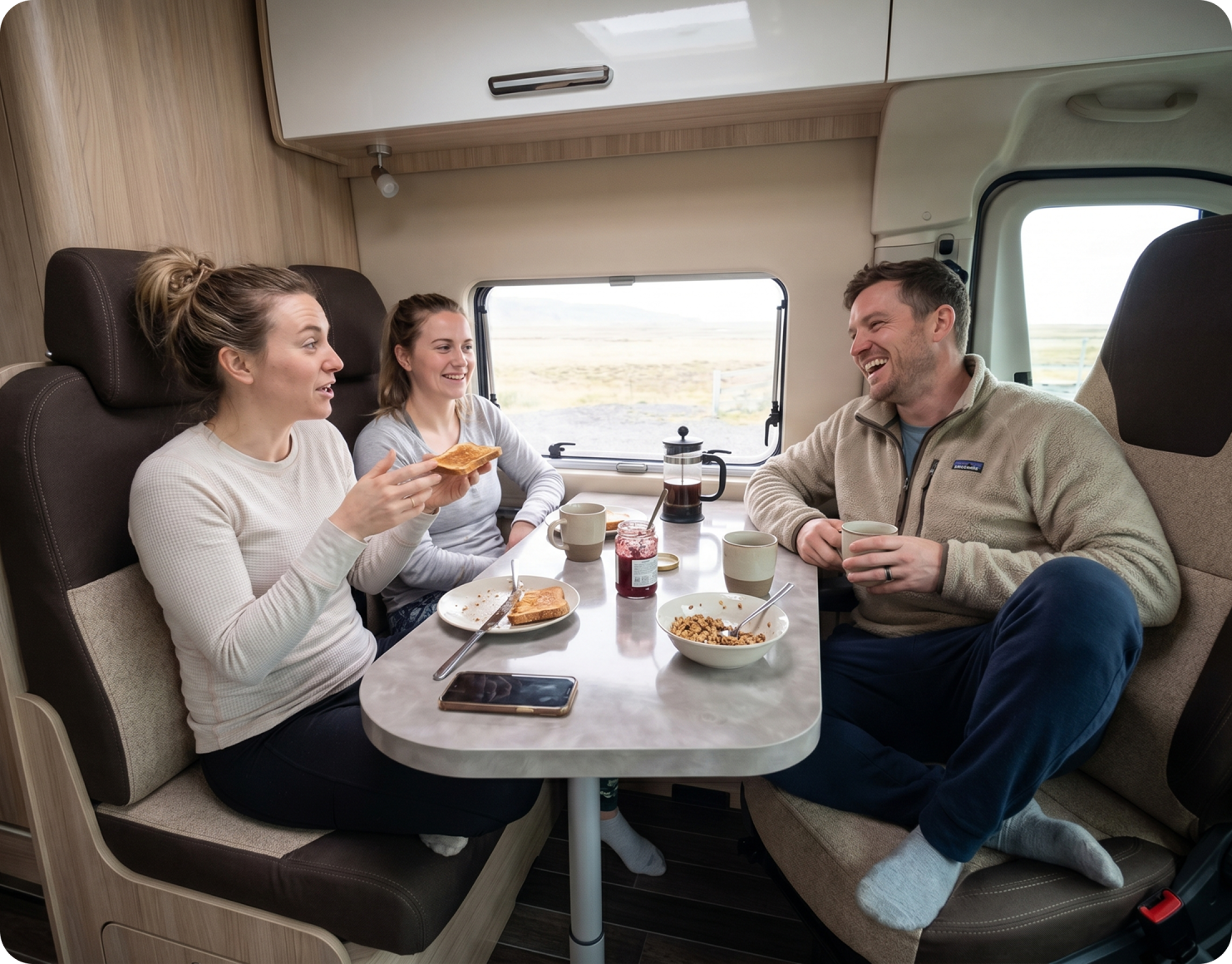
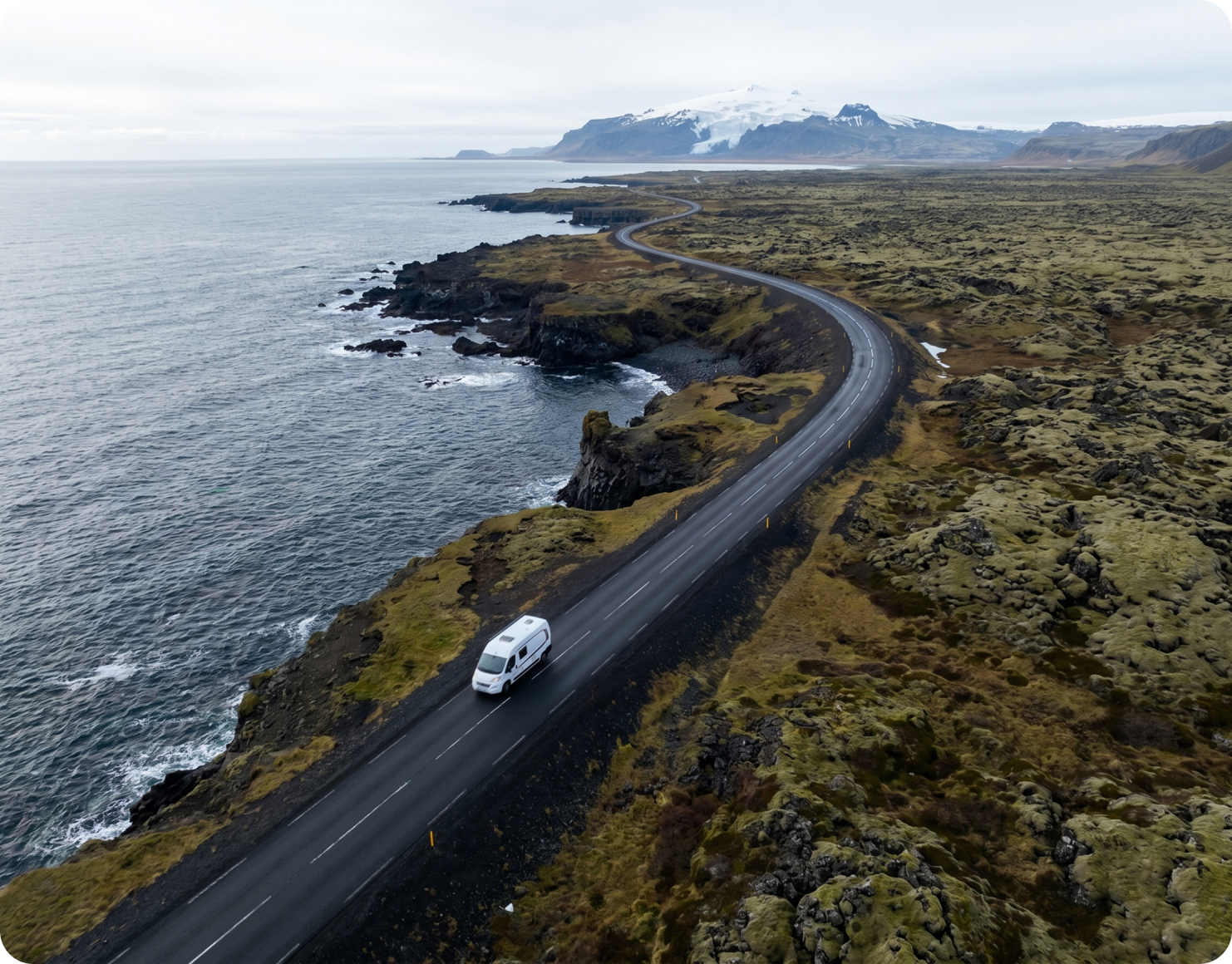
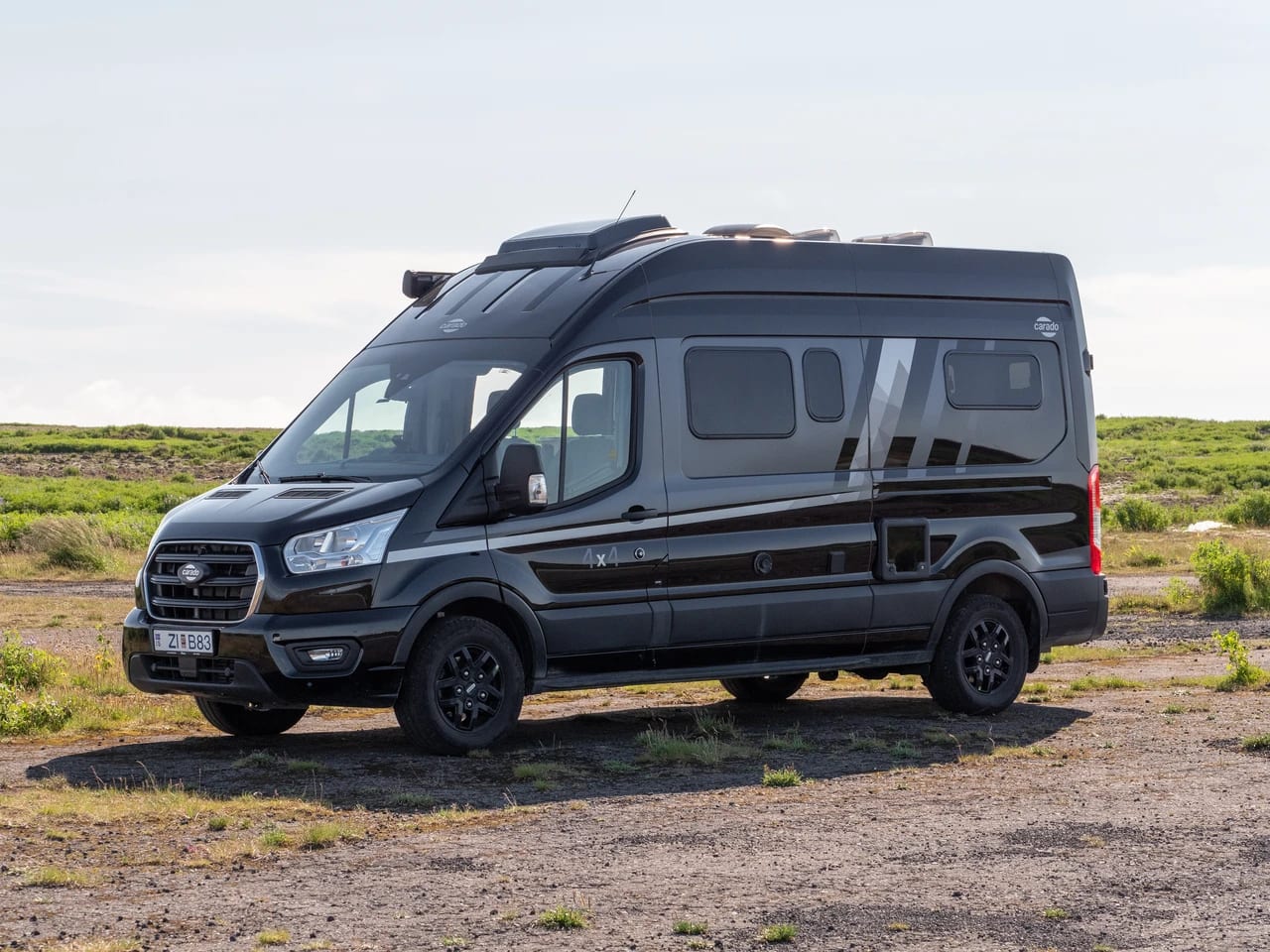
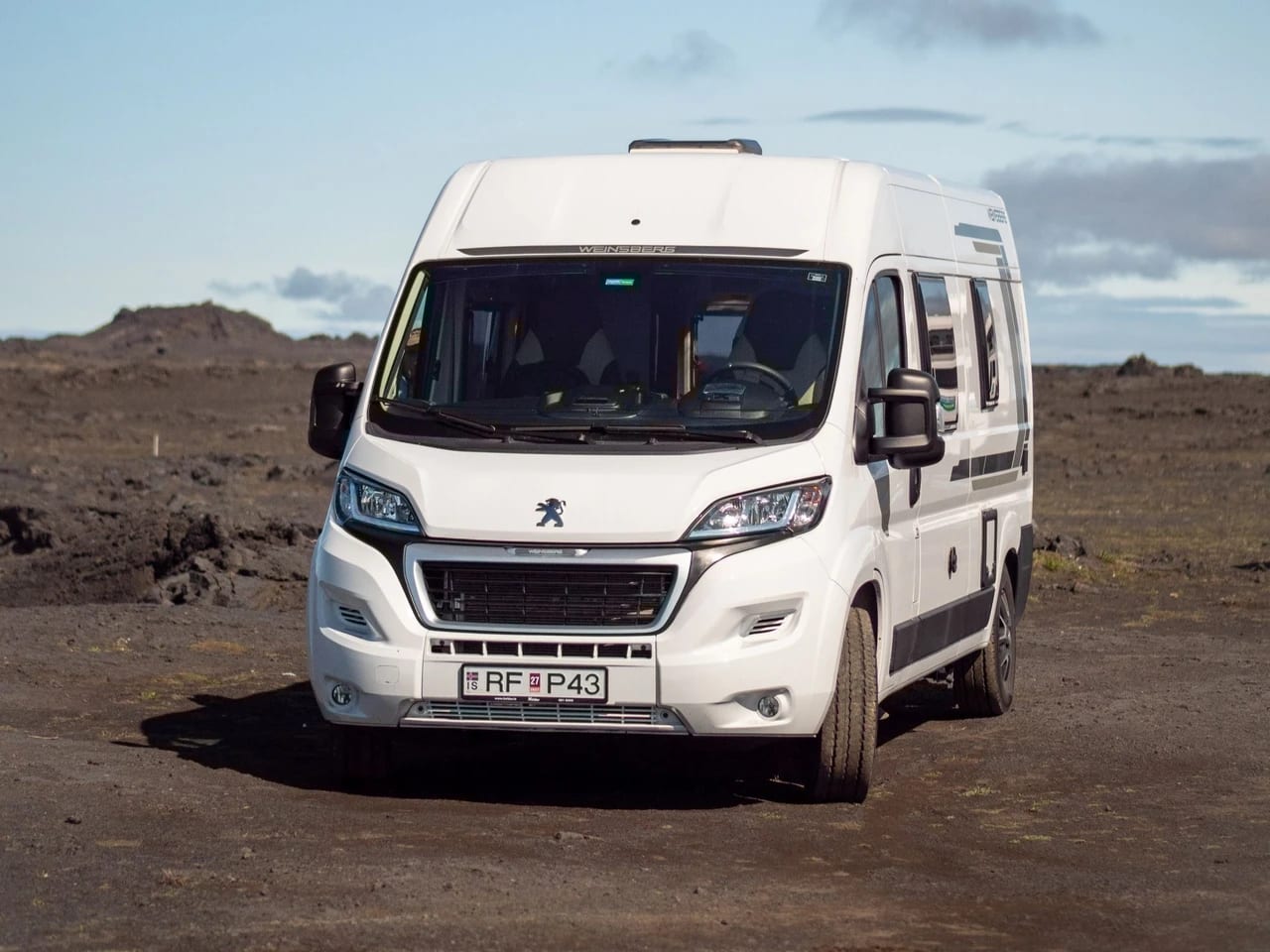
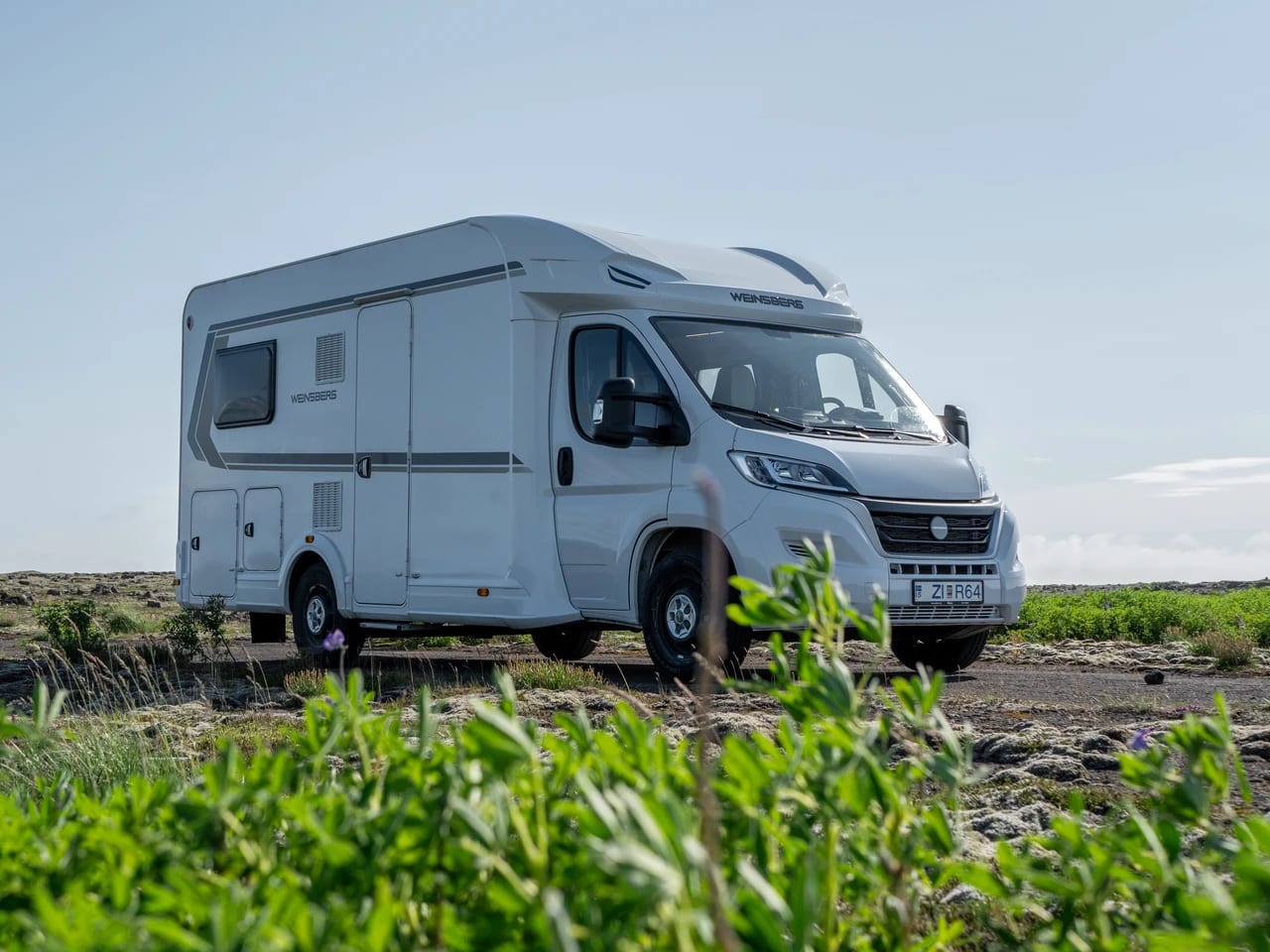
With a private bathroom, a real kitchen, and a bed that stays a bed, these RVs let you explore Iceland without leaving basic comforts behind. The road is wild, but your home on it does not have to be.


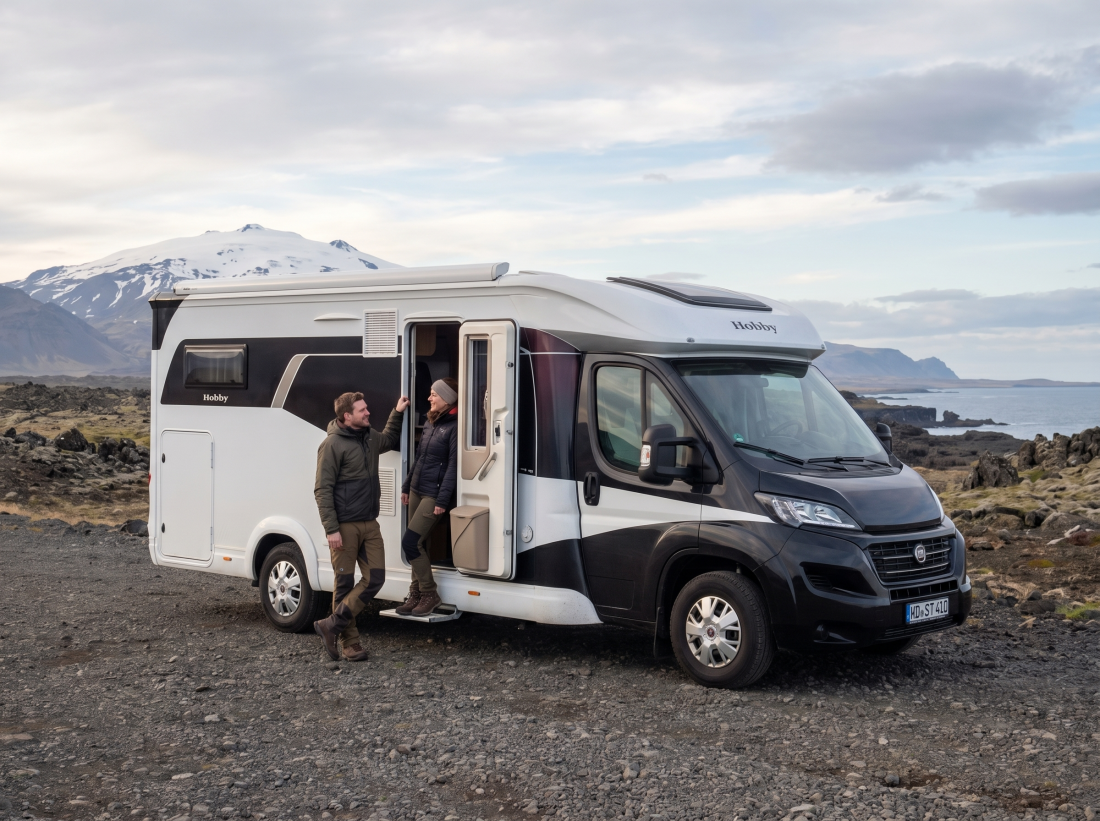

From Facebook groups to real road trips, we learn from your experiences. Here's what fellow travelers are saying about their journey with us.
 Anna Kaczanowski
 “First time in an RV, and we are converted. The kids loved having space to move around, and the WC and shower made the trip so much easier.”
 Priya BB
 “The motorhome was perfect for our family of four. Plenty of space, good heating, and the kitchen worked well. The pick-up process was fantastic as Bjartur walked us through the vehicle.”
 Tanaka Ren
 “Traveling with a six-month-old, the motorhome delivered. Plenty of room, the heating kept the baby warm at night, and having a toilet on board was essential. Only downside was the humming from the fridge at night, but nothing too crazy.”
 Thomas Gardner
 “Cheaper than hotels and restaurant meals. We cooked almost every dinner in the motorhome and slept at campsites. Saved a lot of money.”
 Felipe Corrales
 “Great motorhome. Comfortable bed, good heating, easy to drive. We forgot how to handle the greywater tank, but customer service walked us through it over the phone. Very helpful.”
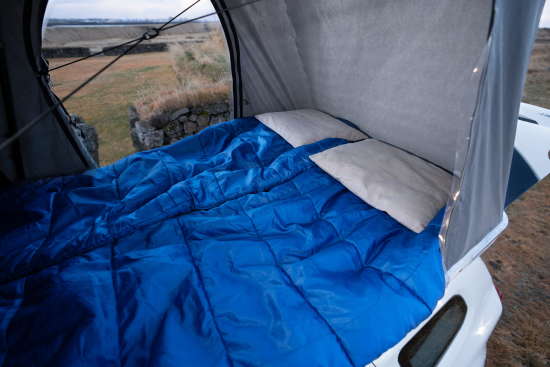
No need to pack a sleeping bag; a warm one will be ready and waiting for your first night under the stars.
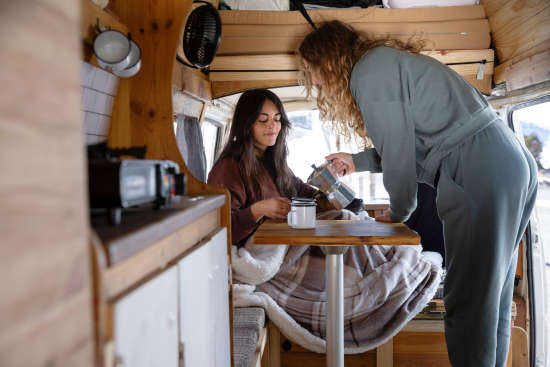
Pots clanking, plates stacking, coffee brewing. Yep, that’s your camper kitchen, fully loaded.
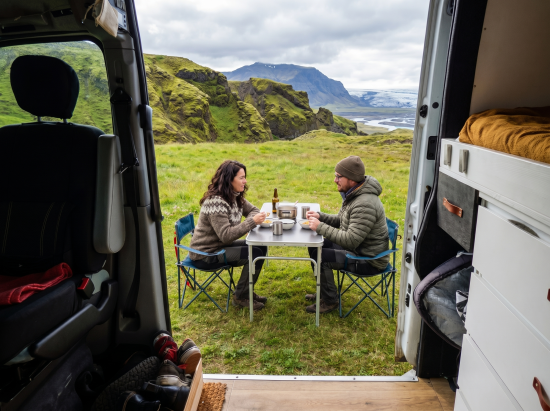
Add a table and chairs so you can pull over and turn any Icelandic view into your private dining room.
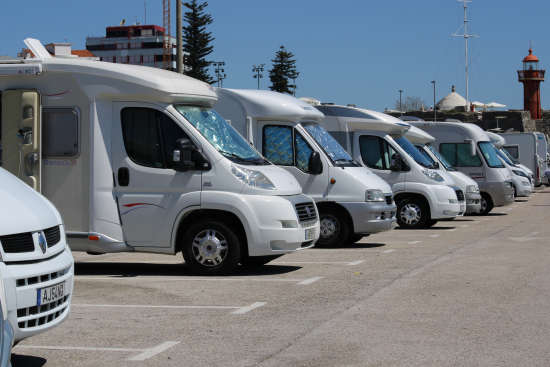
Don't let the unexpected slow you down. Add premium support to keep help one call away.
Our philosophy is that basic insurance shouldn’t be an expensive add-on, so we’ve built it directly into every booking to give you peace of mind from the moment you hit the road.

Nei! No, you do not. A standard Category B license, the same one you use to drive a regular car, is perfectly fine for all of our motorhomes and RVs. As long as the vehicle weighs under 3,500 kilograms, which all of our providers' motorhomes do, you are good to go. No special paperwork, no extra tests. Just bring your valid driver's license.
Já, yes. The price you see upfront is exactly what you will pay. No extra fees magically appear at checkout. That figure covers the base rental, CDW, TPL, PAI, unlimited mileage, and winter tires when your trip falls between November and April.
If you want to add things like a child seat, a GPS, or an extra driver, those options will appear clearly during booking, and you only pay for the ones you select. As for other potential charges, the kind that only come up if you break a rule or return the vehicle late, those live in the terms and conditions for each specific motorhome. We make sure you can find them easily, so nothing comes as a surprise later.
In two small payments instead of one big one. When you book, you put down a small chunk, about 15% of the total. That holds your motorhome. Then, when you show up in Iceland to pick it up, you pay whatever is left. No need to hand over all your money months in advance. Visa, Mastercard, or Amex all work for that first payment.
Ja, yes. The deposit changes depending on how much insurance you want. If you take the basic free insurance, you will leave a larger deposit. If you opt to upgrade to the top tier, Full Cover, that deposit shrinks or even vanishes. Each rental provider has its own numbers, so you will see the exact amount before you commit during the booking process, not after.
Yes, but motorhome cancellations usually come with a penalty. The money you pay online when you book is often not refundable. Changing dates is usually possible, but the price might go up or down depending on when you move your trip. Read the cancellation policy for your specific motorhome before you click the button. It matters more with these larger vehicles.
Expert advice to help you navigate Iceland like a local.
Read this now and thank us later!
You're looking at a motorhome because you want space: a real bed and a toilet that doesn't involve a shovel. Good call. But decisions come with consequences, and bigger vehicles mean bigger responsibilities. That doesn't mean it’s a bad choice! Not at all; it’s just different. Let's walk through the things that tend to surprise first-timers. Komdu með okkur!
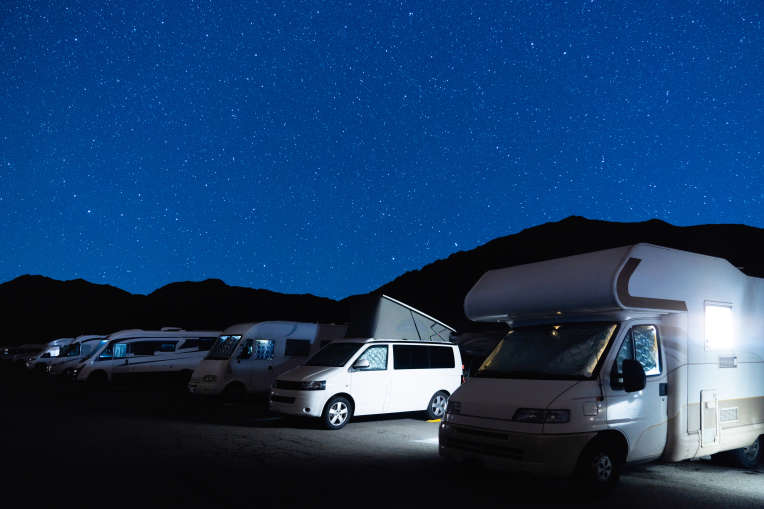
Well, at the same place as everyone else: at a campsite.
Icelandic law has been very clear about this since 2015. In order to protect Iceland’s fragile nature from overtourism, overcamping, and bad-mannered visitors, you can no longer sleep just anywhere. Yes, even if your vehicle has a toilet and a kitchen like a motorhome. So now you know, pulling over by a waterfall because the view is pretty is not an option. That is not camping. That is breaking the rules.
The rules exist for two reasons. First, as we mentioned previously, to protect Iceland's fragile nature from thousands of visitors. Second, to keep you safe. Campsites have facilities. Showers, toilets, and places to empty your waste tanks. They are not expensive. And most of them are well maintained.
Luckily, in summer, you will find campsites everywhere. In winter, fewer of them are open, and the ones that stay open may have limited services. No shower, no kitchen, maybe just a toilet and a flat place to park. But that’s fine; you’re about to rent a vehicle that comes with a shower, WC, and built-in kitchen anyway, right?
If you are tempted to ignore the rules, remember this: a campsite fee is a small price to pay. A fine for illegal camping is not. "Nei" means "no" in Icelandic; we trust you take the hint.
This decision is not as complicated as people tend to make it, but because it is easy to overthink when you are looking at dozens of vehicle options, let us try to simplify it for you.
A campervan is small, which means you sleep in the back, you cook on a little stove that folds away when you are not using it, and you stoop every time you stand up because the roof is not made for tall people. There is no bathroom, so you use the facilities at the campsites where you stay. For two people who like each other and do not need much space, a campervan is a great choice.
A motorhome, on the other hand, is a completely different world. You stand up straight without thinking about it, which is something you do not appreciate until you have spent a week stooping. You have a real bathroom with a shower and a toilet that actually flushes. You have a proper kitchen with a fridge that stays cold and a stove that does not slide around when you take a corner. You have room for kids, luggage, and that extra sweater you bought because it was beautiful and you have no self-control (we get you; no judging).
The trade-off is that you are bigger, so you use more fuel; you think about parking instead of just pulling in; and you feel the wind more than a smaller vehicle would. For most families and groups, the comfort is worth the trade-off, but only you can decide if that is true for your trip.
A rooftop tent is exactly what it sounds like: a tent mounted on top of a car. During the day, you drive a normal 4x4 and enjoy the fuel economy and easy handling. At night, you climb up a ladder and sleep under the stars. There is no bathroom, no kitchen, and no heating, so it is perfect for adventurers who do not mind roughing it, but it is not the right fit for everyone.
If you are still not sure which category suits you best, try thinking about your group. How many people are coming with you? How much luggage do you really need? Do you actually need a toilet inside your vehicle, or are you fine walking to the campsite facilities? Do you want to cook proper meals, or are you happy with sandwiches and instant coffee? Once you answer those questions, the right choice will usually find you on its own.
And if it does not, just ask us. Við erum hér til að hjálpa. That is what we are here for.
Nobody enjoys talking about insurance, partly because it is dry and partly because nobody wants to imagine something going wrong on their dream trip. But when something does go wrong, insurance becomes the most interesting topic in the world. Doesn’t it?
Every motorhome rental through our platform comes with CDW and PAI as part of the base price. That is your basic coverage, which means that if you get into an accident, you are covered. Think of that as the foundation.
Where things get tricky is what the basic coverage does not cover, and this is where Iceland has a few surprises for travelers who are not expecting them. Gravel chips on your windshield happen all the time here because so many roads are unpaved. Sand and ash damage from a windstorm can strip paint off your vehicle in a matter of hours. A tire cracked by a pothole on a remote gravel road is not a question of if but when, especially if you are covering a lot of kilometers.
Because these things happen more often than you would expect, most people who rent motorhomes usually upgrade their policy to more complete insurance options that include gravel + sand and ash protection like the “Plus” tier option. If you are planning to drive on any gravel at all, which you probably will even if you stick mostly to the Ring Road, those upgrades are worth considering.
And if you really want to stop thinking about insurance altogether, go for the zero deductible "Full Cover" option. That way, if something happens to the vehicle, you pay nothing out of pocket and the insurance covers everything. That feeling of not worrying about every little scratch and every potential rock chip? Áhyggjulaus. Worry-free. Exactly how a road trip should feel, if you ask us…
Most motorhome rentals require you to be at least twenty-five years old, although some providers will accept drivers as young as twenty-three. Either way, you should check the age requirement for each vehicle before you fall in love with a particular model, because it would be a shame to find out at the last minute that you do not qualify.
You will also need a valid driver's license that you have held for at least twelve months, and you need to bring the original with you. No photos, no copies, no paper printouts. If your license is not in the Latin alphabet and does not have an English translation, you also need an International Driving Permit to accompany it.
We know this is a lot of information to absorb at once, and we know it is not the most exciting part of planning your trip. But a few minutes of reading now can save you from hours of stress later, and that trade-off seems worth it to us. At Travel to Iceland, you will find all of the terms, insurance options, and extra costs clearly listed during the booking process, so it is all there at your disposal. You just need to look.
How to actually enjoy living in a motorhome
Living in a motorhome sounds romantic. You wake up somewhere new every morning, make coffee with a view, and watch the world go by from your window. And it is romantic, sometimes…but it is also practical. Things work differently when your home moves. Let us walk through the stuff that makes the difference between a smooth trip and a frustrating one. Ertu tilbúinn?
Well, Iceland has ice in its name for a reason. Even in summer, the nights can be cold. In winter, "cold" is an understatement. You need a vehicle with proper heating, and luckily for you, motorhomes have it.
Most motorhomes come with a type of heater called a "Webasto heater." It runs on the same diesel as your engine. You press a button, and warm air comes out. It is simple and effective.
Likewise, your motorhome has a battery that powers the lights, the water pump, and the fridge. It does not power a hair dryer, a space heater, or a coffee maker. If you want to bring your laptop, your phone, and that portable espresso maker, you will need a 12 volt inverter or a campsite hookup.
One more thing about living in a small space. Condensation happens. You will wake up with water on the windows. That does not mean your motorhome is broken. It means moisture has nowhere to go. The fix is simple: simply crack two windows on opposite sides of the vehicle before you go to sleep. Fresh air pulls through, and the moisture leaves. It makes a real difference, believe us.
Now that you’re an expert on ventilation and condensation, let’s move on to water, toilets, and tanks.
Your motorhome has two water systems. One with clean water for drinking, washing, and cooking. And then, wastewater from the sink and shower. The toilet is separate and usually uses chemicals to break things down.
You fill the clean water tank at campsites or service stations around Iceland. You empty the wastewater tank and the toilet cassette at designated dump stations. Most campsites around the country have them, and major fuel stations like Olís and N1 often do too, so you have plenty of choices.
Please, never empty anywhere else. Not on the ground. Not into a regular toilet. And absolutely not into nature. Það er bannað! It's forbidden, and for good reason.
Dumping is nothing complicated, and after a couple of attempts, you’ll be able to do so in the blink of an eye. That said, we do recommend planning your route around dump stations rather than leaving it to chance. Don't wait until you're running on empty (literally). By then, your options get limited fast.
Driving a motorhome is different from driving a regular car, and the sooner you make peace with that, the happier you will be.
On a straight stretch of highway with no wind and light traffic, a motorhome feels perfectly manageable. You might even start to think that all the warnings you read online or in this content section were exaggerated. Then you arrive at a one-lane bridge with a line of cars waiting on the other side, or you try to find parking at a popular waterfall where every spot seems designed for a small SUV, or you find yourself on a narrow gravel road with a sheer drop on one side and an oncoming tour bus that does not seem interested in moving over.
None of these situations are disasters, but they will make you aware of your size in a way that highway driving does not. You will still fit in most parking lots, because Icelandic parking lots are not as tiny as you might imagine, but you will also find yourself thinking about how to position the vehicle in a way that you never thought about when you drove a compact car back home. That is normal, and it does not mean you made the wrong choice or that you won't be capable. Actually, most people get used to driving motorhomes within an hour.
Wind is the real challenge, and it is the one thing that surprises even experienced RV drivers who visit Iceland for the first time. A tall, boxy vehicle catches wind like a sail, and Iceland has more wind than almost any other place you have probably visited. The trick is to slow down well before you think you need to, keep both hands on the wheel, and give every other vehicle on the road extra space. If the forecast calls for wind over fifteen meters per second, which is about fifty-four kilometers per hour, you should find a safe place to pull over and wait. No one will think less of you for waiting out a storm, but plenty of people will think poorly of the tourist who tried to drive through it and ended up in a ditch.
Before you leave this section, let us tell you about one more wind-related danger that nobody thinks about until it happens. When you open the door of a motorhome on a windy day, the wind can catch that door like a sail and bend it all the way backward, which damages the hinges and costs a lot of money to repair. We have seen it happen more times than we can count, and it is always someone who said to themselves, "It's not that windy." Hold onto the door every single time you open it, even when you do not think you need to. That habit will save you from an expensive mistake and an embarrassing conversation with the rental agent.
It sounds more complicated than it actually is.
First, a little background on why this exists: For a long time, Iceland paid for road maintenance the same way most other countries do. They added taxes to diesel and gasoline, and every time someone filled up their tank, a small portion of that money went toward fixing potholes, plowing snow, and maintaining bridges. It was not a perfect system, but it worked well enough for decades.
Then electric vehicles started showing up on Icelandic roads in serious numbers. Locals bought them, rental companies added them to their fleets, and more travelers started choosing hybrids and EVs for their trips. Fewer people buying fuel meant less money flowing into the road maintenance fund, even though those same electric cars were still driving on the roads and wearing them down just like any other vehicle.
The government had to find a way to cover the gap, so starting January 1, 2026, they introduced a per-kilometer road tax that applies to every rental (and privately owned) vehicle in the country. That means your motorhome, your campervan, your little Suzuki Jimny, all of them are included. The money goes directly toward keeping the roads in good shape for everyone, including you.
The tax is calculated based on how many kilometers you drive, which means the farther you go, the more you will pay. That sounds straightforward, and it is, but the exact way the tax gets collected depends on the rental provider you choose.
Some providers build the tax into their daily rate, so you never see it as a separate line item. You just pay a slightly higher daily price, and the provider handles the rest. Other providers prefer to charge the tax at the end of your rental, after they know exactly how many kilometers you drove. In that case, you will see it as a separate charge on your final bill.
When the road tax was first announced, a lot of travelers assumed their rental costs would jump significantly overnight. That has not happened, and here is why.
At the same time that the government introduced the road tax, fuel prices in Iceland dropped. Gas and diesel became cheaper than they had been in years because they no longer have the tax portion attached to them, which means you are spending less at the pump than you would have a few years ago. The road tax adds a small amount to your total driving costs, but the lower fuel prices take a larger amount away, so for most travelers, the overall cost of driving around Iceland has not changed much.
Think of it as a small step in one direction and a small step in the other. Það jafnast út, as we like to say. It balances out.
Here is what you really want to know.
You can drive as much as you want, and nei, you will not pay extra for it. Every motorhome rental through our platform comes with unlimited mileage, which means you do not have to worry about per-kilometer fees or daily caps
Nei! For most of our fleet, a standard Category B (passenger car) license is all you need. If your license isn't in English or using the Roman alphabet, you'll need an International Driving Permit.
Technically, no. The law says you must sleep at designated campsites, and parking lots and rest stops do not count. That said, if you arrive very late and there is genuinely nowhere else to go, most people will not bother you for a few hours as long as you are discreet, quiet, and leave early. The key word there is "discreet." Do not set up chairs, do not cook outside, and do not leave any trash. Treat it as an emergency option, not as a plan.
Use an app like Park4night or Tjalda.is, which are updated by travelers and locals who actually visit these places. Google Maps is less reliable because campsites often show up as "open" when they are really just closed for the season.
Most rental motorhomes are not allowed on F-roads at all, regardless of their size. To drive on F-roads, you must rent a 4x4 vehicle, and that’s not too common within the motorhome category. When booking online, please check for 4WD motorhomes that are F-road approved; otherwise, you cannot drive on mountain roads.
As early as you can. Six months ahead is not too soon for June, July, or August. The best motorhomes, especially the most compact ones book up months in advance
Já, yes! You can refill at campsites and at some gas stations, but not all gas stations have potable water hoses. Olís and N1 stations in larger towns often do, but smaller stations in remote areas may not.
When you arrive to pick up your motorhome, you will come into the office to check in for your reservation. This is where you hand over your documents and complete any remaining paperwork. Once that is finished, someone from the team will walk you out to the vehicle, show you the basics.
Take your time looking over the exterior and interior, and make sure any existing scratches, dents, or other marks are clearly written down on the paperwork.
During the summer season, Iceland gets very busy, and our office can have longer wait times than usual. We ask for your patience and understanding during these peak months because our team and our providers are doing their best to get everyone on the road as smoothly and safely as possible.
Já, yes, this is possible with some of our trusted providers. However, this option is not available for every rental, and even when it is offered, it requires prior authorization from the provider.
Please contact us at info@traveltoiceland.is and we’ll check if this service is available for your chosen vehicle.
Yes, most providers allow it. Taking your húsbíll (motorhome) on a ferry can be a wonderful way to explore more remote areas of Iceland.
That said, while your rental provider may give the green light, the ferry company has its own set of rules. So before you plan your trip, please be sure to check directly with the ferry line to confirm whether your specific vehicle is allowed on board.
Yes, but slowly. Your motorhome's 12 volt outlets, the ones that look like the cigarette lighter in older cars, can charge phones and tablets with the right adapter. For a laptop, you need a power inverter that converts 12 volt DC power to 110 volt AC power, which is what your laptop charger expects. Some motorhomes come with inverters already installed. Others do not.
Já, that is right. Winter tires are required by law from November 1st until April 14th, so all of our providers make sure their vehicles are equipped once the season starts. You do not need to ask for them, and you will not see an extra charge on your bill.
It’s different but manageable, believe us! These motorhomes are modern and easy to handle, but you must be mindful of strong winds and narrow bridges. Always check umferdin.is and safetravel.is before heading out.
Já, yes. If you plan on exploring the F-Roads (Highlands), you must rent a 4x4 motorhome authorized for F-Roads. Standard motorhomes are strictly for paved and well-maintained gravel roads.
Já, yes. You can cancel at any time. Please note that the initial 12-15% deposit is non-refundable as it covers the administrative costs of holding your specific vehicle.
We believe "the best extras are not extra." Every rental includes:
We have a "same-to-same" policy. That means you need to return the vehicle at the same level you received it; otherwise, refueling fees may apply.



+200
Vehicles
+20
Tours
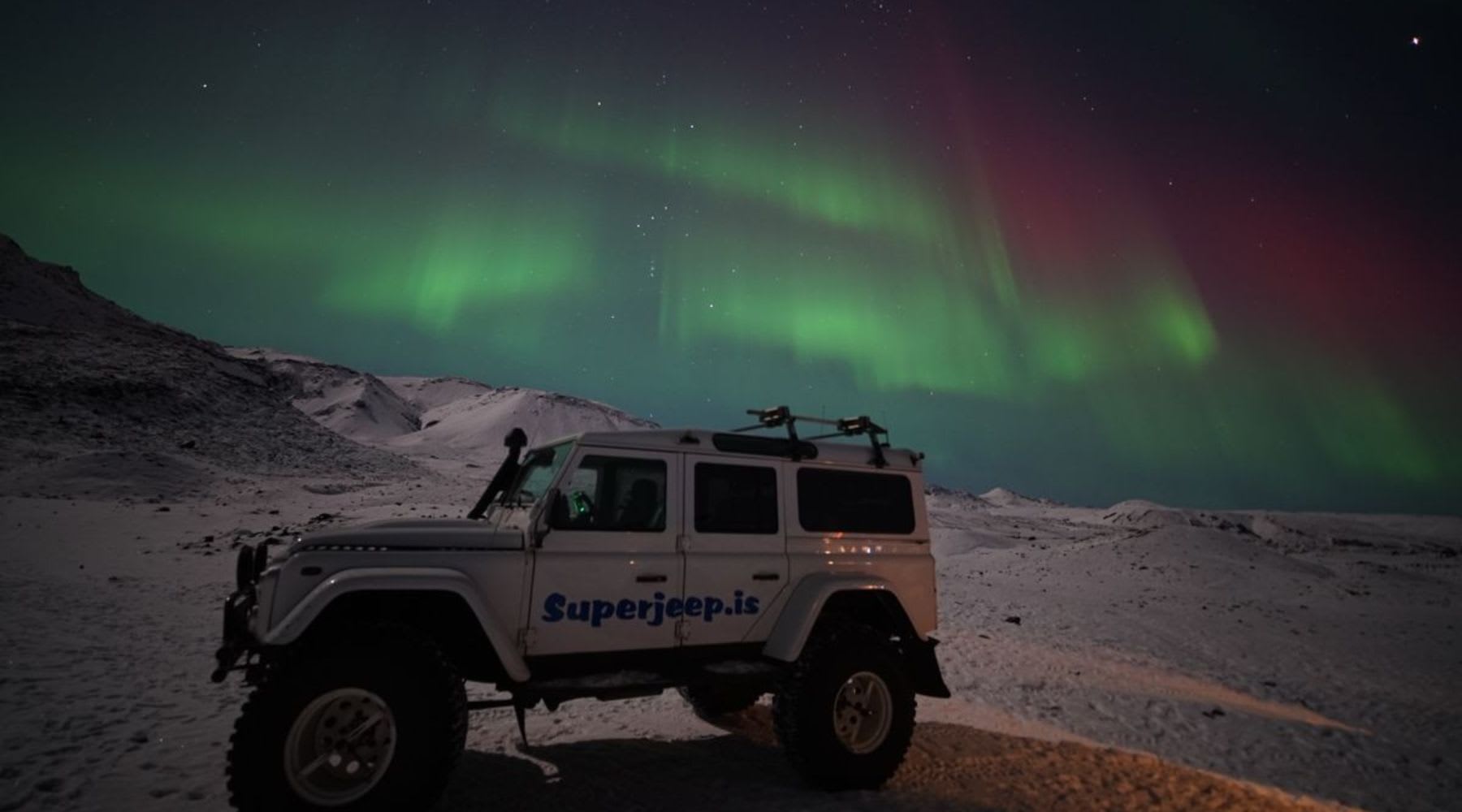
Northern Lights, hot chocolate, and a splash of Reyka vodka? This tour has it all! The Super Jeep tackles the Icelandic weather to take you right to where the auroras shine. Pure magic!