






 English
 Español
 Français
 Italiano
 Deutsch
 Dansk
Dansk 日本語
日本語 Nederlands
 Polski
 Svenska




































WIN A FULL REFUND
One lucky winner gets their rental 100% refunded!
AS SEEN ON


FIND YOUR
HEIM ON THE ROAD
Unlock perks with your rental
 Get a $30 refund FREE
  eSim Card FREE
 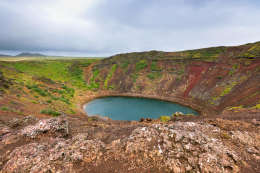 Kerið Crater Tour FREE
 +30 local providers.
GET UNBEATABLE RATES IN A SINGLE CLICK.
Save up
to 20%
off most rentals
We do the price hunting, find the best deals, and you do the driving, samið?

WIN A FULL REFUND
One lucky winner gets 100% refunded. It could be you!
FREE ticket to the stunning Kerið Crater
That’s right, your crater tour is on us.²


Free ESIM card
High-speed data and nationwide data included with your rental.³
Total flexibility
Easy cancellations and changes
Hi, need an extra rental day 🫣
Don't worry, we'll adjust your booking!
My job didn't approve my holidays...
Oh no! We’ve cancelled your booking 😔
Plans changed? No problem! Our team has your back.⁴
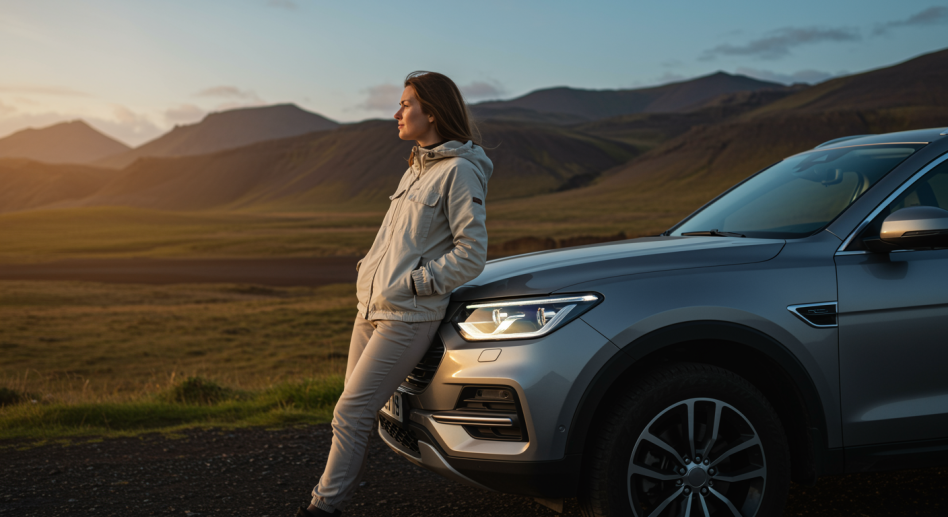
Unlimited mileage
Drive as far as your heart (or the fuel tank) allows.
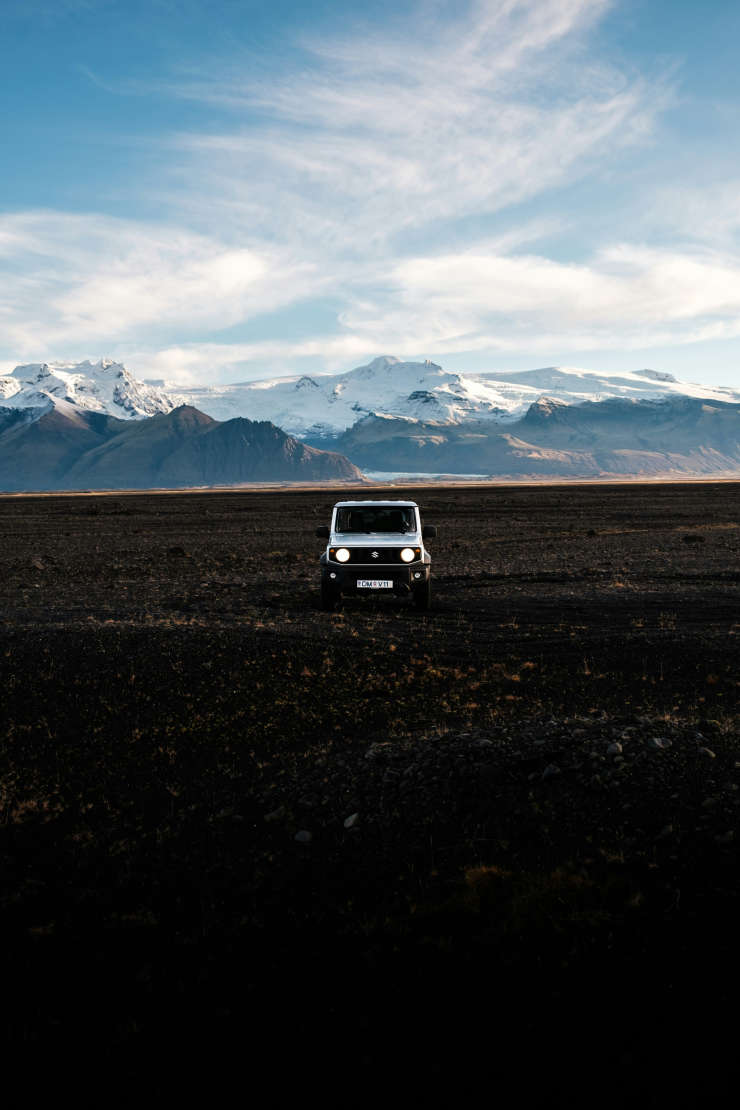
FREE INSURANCE
CDW & PAI included.
Basic protection is included so you can drive with peace of mind.
365-day support
Need hjálp? We answer faster than Iceland's weather changes.
Send us the offer you found, and we’ll do our best to match it.
Send details
Search hundreds of RV & camper rentals at once

Starting from
$256 / day
Before $275
Starting from
$373 / day
Before $439
Starting from
$396 / day
Starting from
$201 / day
Before $236
Starting from
$116 / day
Before $125
Starting from
$71 / day
Before $84
Starting from
$69 / day
Before $73
Starting from
$250 / day
Starting from
$93 / day
Before $98
Starting from
$87 / day
Starting from
$87 / day
Starting from
$188 / day
Starting from
$177 / day
Starting from
$250 / day
Starting from
$355 / day
Starting from
$45 / day
Before $47
Starting from
$223 / day
Before $240
Starting from
$316 / day
Before $340
Starting from
$229 / day
Before $246
Starting from
$170 / day
Starting from
$231 / day
Before $248
Starting from
$396 / day
Starting from
$300 / day
Before $323
Starting from
$355 / day
Starting from
$201 / day
Before $236
Starting from
$121 / day
Starting from
$154 / day
Before $181
Starting from
$274 / day
Starting from
$289 / day
Before $311
Starting from
$198 / day
Before $213
Starting from
$376 / day
Before $442
Starting from
$133 / day
Starting from
$373 / day
Before $439
Starting from
$283 / day
Before $304
Starting from
$245 / day
Before $263
Starting from
$356 / day
Starting from
$298 / day
Before $320
Starting from
$300 / day
Before $353
Starting from
$448 / day
Before $527
Starting from
$389 / day
Before $458

We’re more than a booking site. With Travel to Iceland, you go further with every trip.
Uppáhalds: The top picks travelers are choosing right now
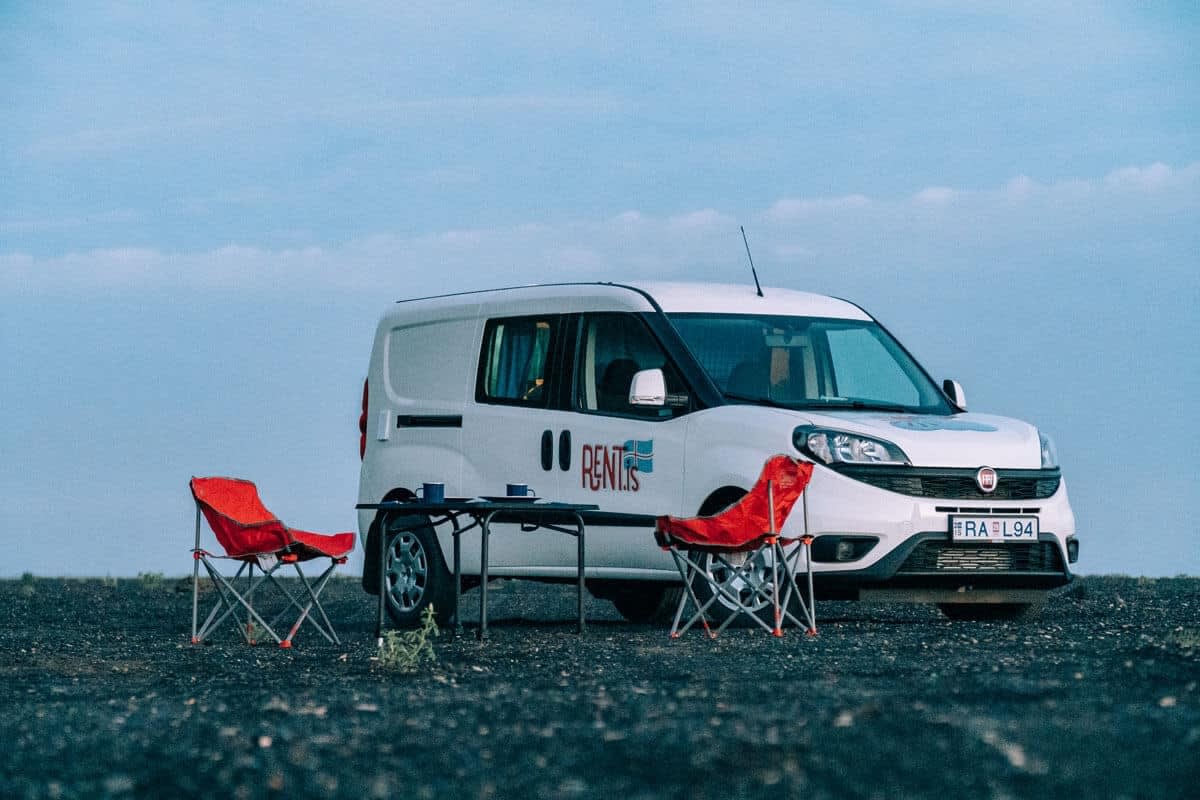
Lestu. Skildu. Keyrðu. (Read. Understand. Drive.)
Whether you've already fallen in love with a campervan, a motorhome, or a rooftop tent camper on our site, or you're still searching for a van rental in Iceland, let's talk about the practical side of things. The details that could cause you headaches later if you don't consider them now. And since we at Travel to Iceland have plenty of experience with rentals, you can learn from our experience instead of from surprises along the way.
Alright, now that we've cleared up the where, let's talk about the what. This decision depends on the size of your group, your travel style, and, of course, personal preference.
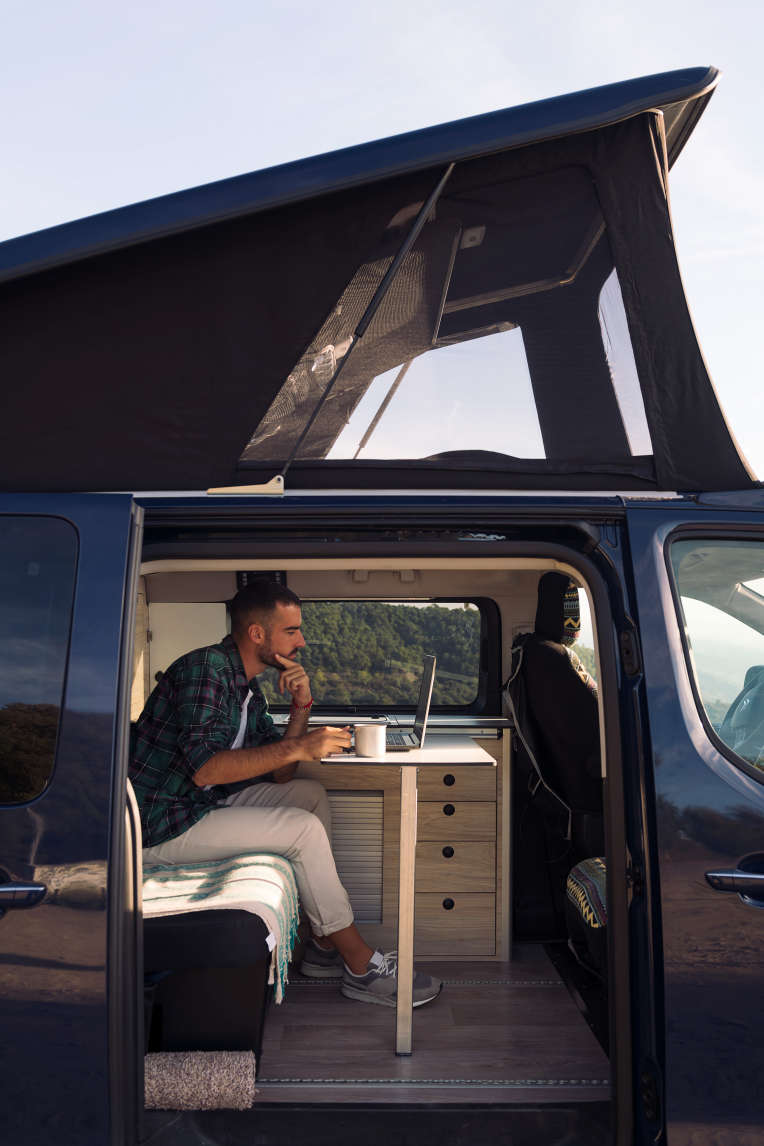
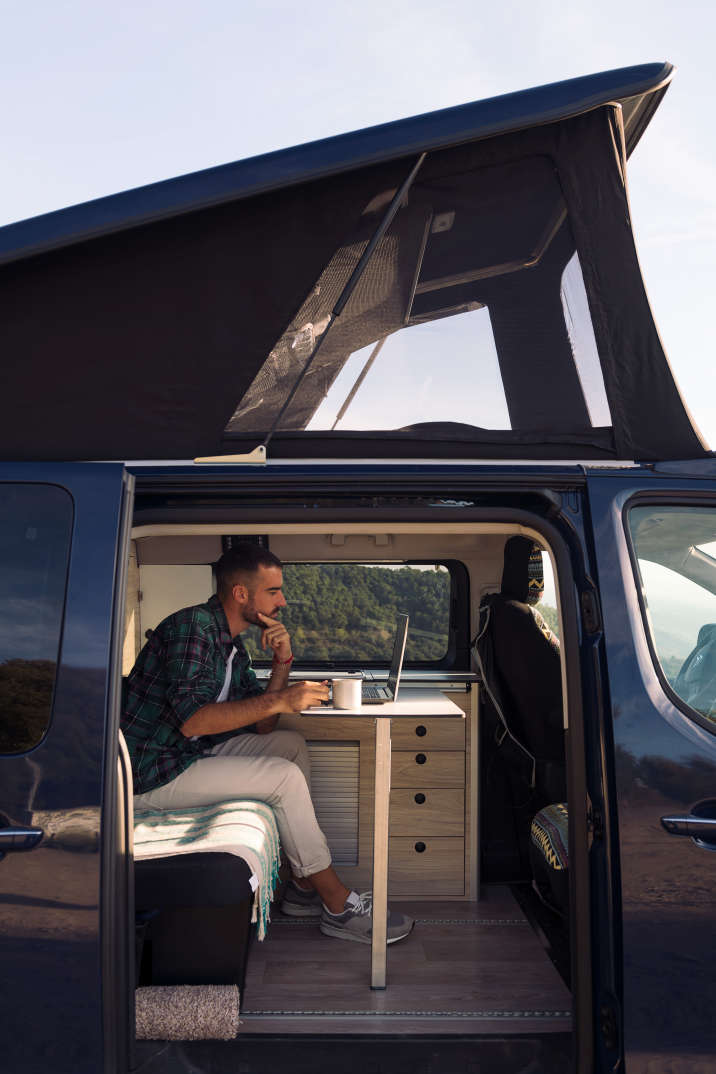
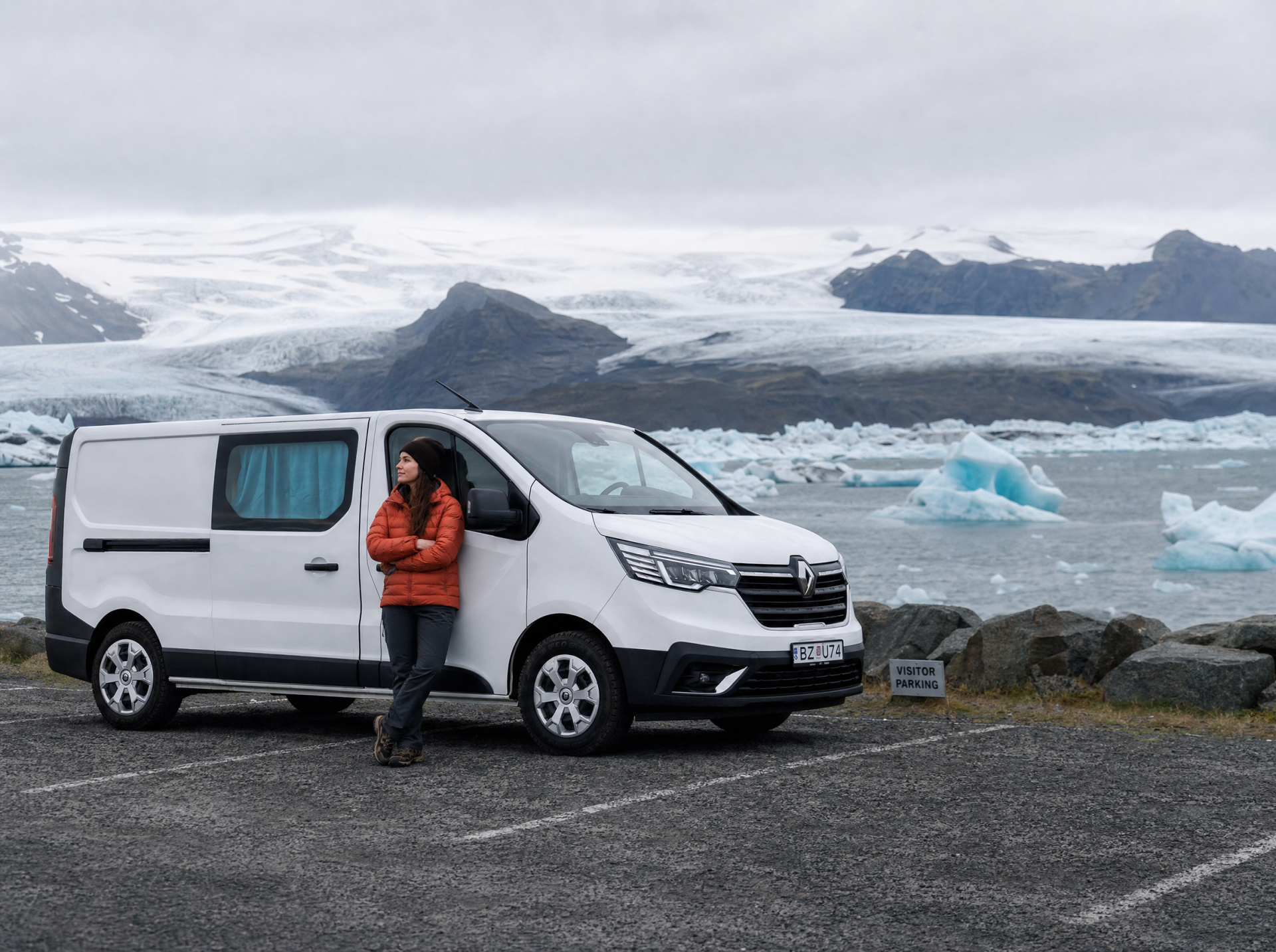
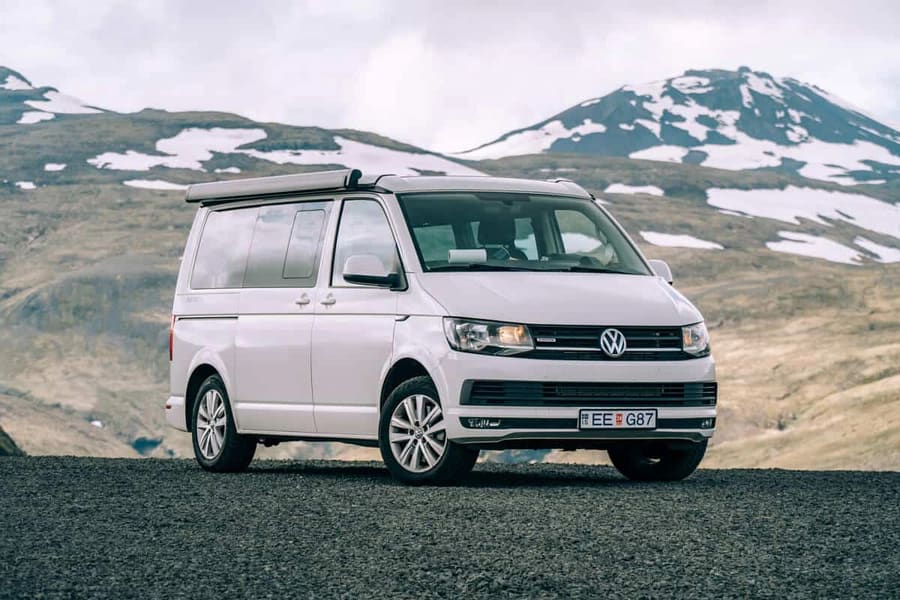
A campervan or van rental is a compact, cozy vehicle that is easy to park almost anywhere and comfortably sleeps 2 to 5 people. It usually features a fold-out bed and a portable kitchen. This category includes rugged 4x4 options suitable for F-roads. We usually recommend campervans to couples, solo travelers, and flexible groups who like to keep things simple.
A motorhome, or RV for our American friends, is a larger vehicle with defined living areas. Think of a real kitchen, a bathroom with a shower, and a toilet. With more amenities and generous storage space, motorhomes are the ideal choice for families with children, large groups, or anyone driving mostly along Iceland's Ring Road with plenty of luggage who puts comfort first.
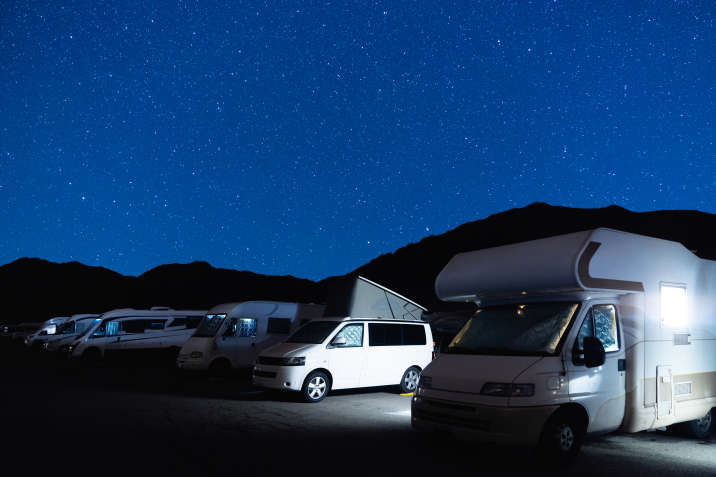
Finally, a rooftop tent camper. It's essentially a standard SUV with a sturdy tent mounted on top. By day, you drive a regular, efficient vehicle. At night, you climb the ladder and sleep a little closer to the stars. The tent is windproof and surprisingly warm, but it is not heated. This option suits adventurous travelers who want to experience the wild side of Icelandic F-roads and couples who prefer a more stripped-back experience at a lower price.
Not all campervans come equipped with a bathroom. Compact models in the campervan category do not have one, while larger motorhomes usually include a toilet and shower. If you are looking for a camper in Iceland with a bathroom, check the "motorhome" category and verify the vehicle specs before booking.
Each vehicle card shows whether a toilet, shower, and hot water are included, along with tank capacities. Don't assume a camper has a bathroom just because it's large: always check the details.
Which option is best for you?
Still not sure? That's totally fine. Think about how many people are traveling with you, how much luggage you're bringing, your itinerary, and what matters most: a toilet? A real kitchen? Extra storage? F-road capability? If it's still unclear, við erum hér til að hjálpa... we are here to help. Get in touch, and we'll guide you.
There is no single answer; it all depends on your itinerary.
If you want to hit the road right after landing, renting a campervan directly at the airport (Keflavík) is the most practical choice. This is where international flights land and where most rental companies keep their fleet. If you want to depart immediately, airport pickup is the most common option and often the only one that avoids extra travel.
Renting at the airport allows you to pick up the vehicle conveniently without arranging additional transport or traveling into Reykjavík before starting your trip. Keep in mind, however, that the pickup point is not necessarily inside the airport terminal: many rental companies have offices nearby and offer a shuttle service.
Only a few companies have offices in Reykjavík. Renting in the city can make sense if you plan to spend a few days in the capital first and prefer not to pay for a parked campervan. However, it is a less common solution and not offered by all operators.
Available options vary by company. Before booking, make sure to check the exact pickup address, opening hours, availability, potential shuttle costs, and possible location surcharges for Keflavík or Reykjavík pickup.
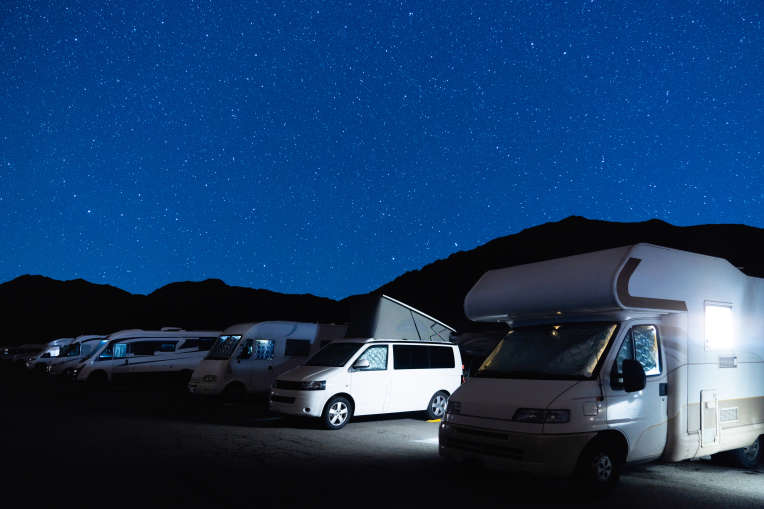
Icelandic law has been very clear on this since 2015: you can only sleep in designated campsites or other authorized areas, regardless of vehicle type. This means wild camping is not allowed in Iceland: pulling over and spending the night right next to a waterfall is simply not an option.
The goal is to protect Iceland's fragile nature from thousands of visitors while ensuring your safety. Fortunately, most campsites feature facilities like showers and waste disposal, offering space for a small fee, usually around $11-12 per night.
Where can you stay overnight then?
At municipal campsites along the Ring Road. They are the simplest option: almost every town has one, often just minutes from the main road.
At private campsites and farm stays. Very common in the south and the Snæfellsnes Peninsula, they often offer accommodation facilities and outdoor activities.
At authorized and signposted camping areas. If there is no sign allowing it, do not assume it is permitted. By law, you must have express permission from the landowner. Much of Iceland is private property, so asking is always the right choice.
Through dedicated apps. You can find campsites on apps like Tjalda and Park4Night. If you plan to stay for more than a few nights, check if the Camping Card is worth buying: it covers dozens of campsites all season for a fixed price (around $179), though it includes limits on the number of people and nights.
What to expect
Most campsites are open mainly in summer; while year-round facilities exist, they are less common, so plan ahead. And if you're tempted to camp at a scenic spot without checking if it's allowed, think twice: the cost of an authorized campsite is far lower than a fine for illegal camping. So remember: Nei means NO in Icelandic.
Sleeping and parking are two different things, and the rules vary. During the day, you can park freely anywhere permitted, usually indicated by a blue square sign with a white P.
All our campervans and motorhomes weigh under 3.5 tonnes, meaning you can use standard parking spots without vehicle category restrictions.
Where to stop:
The same apps used for campsites, like Park4Night, also show daytime parking areas and public parking lots. In urban centers like Reykjavik, there are paid parking zones with varying rates and hours depending on the area, clearly marked on signs and payable via app or parking meter.
Not the most exciting topic, but it's the one that matters most when something goes wrong.
The question we hear every day: "What is actually covered?" Well, every rental includes CDW (Collision Damage Waiver) and PAI (Personal Accident Insurance). So if you're in an accident, you're covered. That's what we call the baseline.
Where it gets interesting is what the baseline doesn't cover. A gravel chip on the windshield, sandstorm scratches on the paintwork, a tire blown out by a pothole on a remote F-road: these things happen in Iceland, and more often than you think. That's why most travelers add Gravel Protection and Sand & Ash Protection to their booking. Especially if you're heading down gravel roads or traveling between October and April. All it takes is a single flying stone or an unexpected storm.
Want total peace of mind? Look for a zero-excess option. If something happens, you pay nothing out of pocket. Áhyggjulaus. Worry-free. Exactly how a road trip should feel!
Most suppliers require you to be at least 20 years old for a standard campervan. For larger motorhomes, the minimum age is usually 25.
You need a valid standard driver's license held for at least 12 months. If your license is not in the Latin alphabet (for example, Chinese, Japanese, or Russian) and lacks an English translation, you must bring an International Driving Permit. Please, no paper printouts or digital copies. No photos. The original driver's license.
We know this is a lot of information and text, but spending a few minutes reading now can save you surprises later. You'll see all terms, insurance options, and extra costs clearly detailed for each supplier and vehicle model during the booking process. Everything is right there for you; you just have to look.
Life on wheels sounds romantic, and it is, but it also needs practicality. Let’s walk through the essentials together so you’re never left figuring things out in the dark.
It's possible, very possible, that this might have crossed your mind before, but just in case, you should know that the “ice” in Iceland means it's cold...yes, even in summer. And okay, maybe it's not as cold as many people think; we're not Siberia either, but it does mean you need to choose the right vehicle with the right heating system if you want your trip not to turn into an antifreeze mission.
Most campers and RVs rentals come with a Webasto heater. It runs on the same fuel as your engine plus an extra battery. You turn it on, and warm air comes out. It's simple and effective.
Some campers use electrical hookup heating. That means you need to be plugged into a campsite's power supply for the heat to work. Fine if you're staying at a campsite every night, but less fine if you're not. A few smaller campers have no built-in heater at all. We flag those clearly during the booking process and in the vehicle features. We don’t recommend booking these for winter.
As you already know by now, your camper has a battery. It powers the lights, the water pump, and maybe a small fridge. It does not power a hair dryer, a space heater, or a coffee maker. If you want to bring your laptop, phones, and that portable espresso maker, then you also need a 12V inverter so the outlets work while you’re driving.
And condensation? It happens. It is not that the campervan is faulty; it is also science. In such an enclosed space, moisture has nowhere to go, so it ends up hitting the cold glass of your windows and turning into water. Crack two windows on opposite sides every night; this will pull fresh air through and vent that moisture away. It makes a real difference.
Now that you’re an expert on ventilation and condensation, let’s move on to water, toilets, and tanks.
Your motorhome has two water systems. One with clean water for drinking, washing, and cooking. And then, wastewater from the sink and shower. The toilet is separate and usually uses chemicals to break things down.
You fill the clean water tank at campsites or service stations around Iceland. You empty the wastewater tank and the toilet cassette at designated dump stations. Most campsites around the country have them, and major fuel stations like Olís and N1 often do too, so you have plenty of choices.
Please, never empty anywhere else. Not on the ground. Not into a regular toilet. And absolutely not into nature. Það er bannað! It's forbidden, and for good reason.
Dumping is nothing complicated, and after a couple of attempts, you’ll be able to do so in the blink of an eye. That said, we do recommend planning your route around dump stations rather than leaving it to chance. Don't wait until you're running on empty (literally). By then, your options get limited fast.
Campervans are compact and cozy, but motorhomes and RVs are spacious and definitely feel a lot bigger, especially if it's your first time driving one. Good news for you, though: most people get the hang of it within an hour. That said, it's important to know it does feel bigger when you're on a narrow road with oncoming traffic.
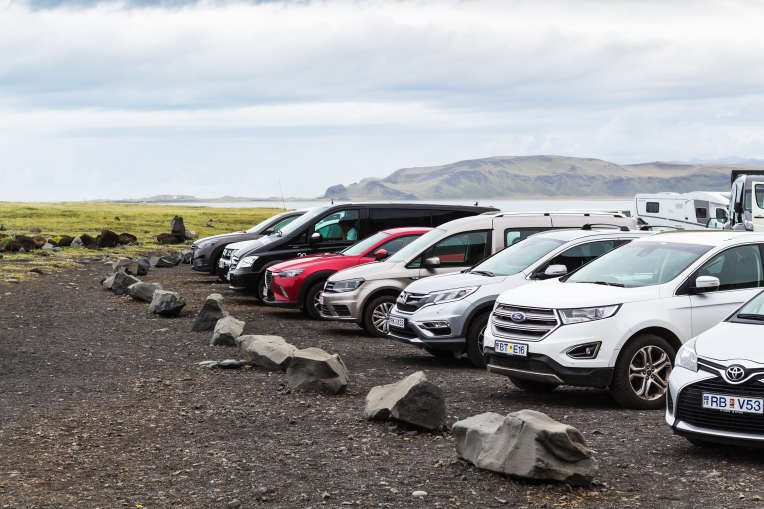
If you're worried about parking, don't be. Parking lots here are generally fine, and you'll be able to fit both your camper or motorhome. They might not be as huge as those American Walmart parking lots, but they're also not as tiny as a kei car lot in Japan. You'll fit just fine.
Bridges are a whole different story. In Iceland, some are one lane, so you do need to wait your turn to cross. Here, size doesn't matter, but patience does. The same applies to wind… Iceland has a lot of wind, and we don’t mean a light breeze sporadically; we mean vindur that can knock off vehicles.
So, here's what you do. If outside, grab your doors tightly; wind can rip them off the hinges. If you're driving, slow down. Way down. Both hands on the wheel. Give everyone extra space. And if the wind is stronger than 15 m/s, simply pull off. No one is impressed by someone driving fast in a camper during a storm. If you keep your common sense, you’ll be fine.
The Ring Road may be Iceland’s most important road, but it doesn't mean it’s the only one you’ll drive on. Some of Iceland’s best places are down a gravel road, a bumpy, dusty, but absolutely worth it road.
You won’t need a 4x4 camper to drive on these roads; that’s only a must when you’re driving on F-roads, mountain roads in Iceland. A 2WD camper can take gravel roads, but to do so carefully, you need to slow down. 50 to 60 km per hour is fine (30 to 37 mph).
When driving too fast on these roads, you might lose control, or your own wheels can kick up rocks into your windshield. If you hear a rock hit the glass, don't panic. Take a breath. That's why you added Gravel Protection. Right? Please say yes… That's life on wheels. Simple. Slow. Sometimes a little messy but wonderful.
Veggjald or road tax, has now become a part of renting a car in Iceland since January 1, 2026. Let’s walk through it together.
So, what is different now?
The Icelandic government introduced a per-kilometer road tax. It applies to all vehicles. Every company. Every office. Every car.
Here's why this happened: For years, road maintenance was paid for through taxes on diesel and gas. Simple enough. But then more people started driving electric vehicles. Fewer people buying fuel meant less money for the roads. So the government introduced this tax to keep the roads in good shape for everyone. Including you.
And how does it apply to my rental?
The tax is calculated per kilometer. The exact payment method depends on the vehicle you choose. Some providers include it in the daily rate. Others charge it separately at the end of your rental. Either way, you'll see exactly how it works before you book. No surprises.
The silver lining
While the road tax is new, fuel prices have gone down. Gas and diesel are cheaper now than they've been in a while. That means your overall driving costs may not change much.
Nei, unlimited mileage is included with every rental through our platform. You’re free to chase the Northern Lights or visit that hidden waterfall somewhere in the Westfjords.
Most providers apply a “same to same” policy. If you pick it up half, return it half. As simple as that. AdBlue is an additive that some diesel vehicles use. It is a type of fluid that reduces emissions. If you need to refill it during your trip, the provider will tell you.
Unfortunately, not always. In the camper rental industry, the common thing to guarantee is the vehicle category rather than a specific make or model. The fleet rotates, vehicles need a deeper clean, clients extend their reservations, etc. This can make the specific unit you saw unavailable on your dates. Now, the essential features (passenger count, transmission, etc.) will match what you booked. If a specific feature matters to you, please contact us before booking, and we’ll check with the provider.
This varies greatly depending on the vehicle and provider you choose. Some providers include everything. Bedding, towels, pots, pans, plates, cups, even chairs and a table. Others may include nothing. You’ll find everything you need on the vehicle page and throughout the booking process. Just make sure to read it carefully before you reserve.
In this case, it's worth taking a moment to think about what you'll actually need on the road. For travelers bringing a lot of luggage, motorhomes are usually the way to go. These vehicles have a larger trunk and plenty of storage areas throughout the living area. That said, a motorhome is not a moving truck; a good rule of thumb is to plan for about one large suitcase and a carry-on per passenger maximum.
Já, yes! You can rent them during the booking process. Just keep in mind that some campers have ISOFIX anchors, and some don't, so be sure to check the vehicle details before you book. Something worth knowing is that the number of child seats that fit is not always the same as the number of seatbelts. Three seatbelts in the back does not mean three child seats will fit side by side. Car seats are wider than people. But hey, you moms and dads out there probably know that already!
You'll usually come into the office to check in for your reservation, hand over your documents, and complete the paperwork. Once that's done, a member of our team will walk you to your vehicle, show you the basics, and go through the main features with you. You're welcome to inspect the vehicle together with our representative (well, you absolutely should).
Please make sure any existing marks or details you'd like noted are clearly written down: we want to make sure everything is accurate from the start. We also recommend doing the same upon return. During the summer season, Iceland welcomes a high number of visitors. This means our office can get quite busy, and wait times may be a bit longer than usual.
We kindly ask for your patience and understanding as we and our providers are doing our best to get everyone on the road as smoothly and safely as possible.
This is definitely possible with some of our trusted providers. Certain ones offer a lockbox service where you can simply drop off the keys and go. However, this option needs to be confirmed in advance, and some providers may apply an additional fee.
Please contact us at info@traveltoiceland.is and we’ll check if this service is available for your chosen vehicle.
Yes, most providers allow it. Taking your húsbíll (motorhome) on a ferry can be a wonderful way to explore more remote areas of Iceland.
That said, while your rental provider may give the green light, the ferry company has its own set of rules. So before you plan your trip, please be sure to check directly with the ferry line to confirm whether your specific vehicle is allowed on board.
If a road closes, you cannot drive on it. Not because the provider says so. Because it's dangerous. Or impossible. Or both.
Please find a safe place to wait for the weather to calm down before continuing your trip. You can always check umferdin.is for the latest road conditions. And please, don't rush. A closed road is a sign for a reason; listen to it. Your safety is what matters most.
Já, yes! In Iceland, winter tires are mandatory from November 1st to April 14th. During that period, all of our trusted providers automatically install them once the authorities give the green light…and you don't pay a cent extra!
Not with a standard campervan. To cross rivers, you'll need to be on designated F-roads (mountain roads) in Iceland. By law, these roads must be driven in a 4x4. Now, even if you rented a 4x4, we strongly advise against crossing rivers. Why? Two main reasons:
So please, take routes that don't include river crossings. Your safety and your wallet will thank you.
Iceland generally has good and reliable mobile coverage. Of course, just like anywhere else, the signal can get spotty in mountain areas and remote regions, so keep that in mind when traveling to places like Landmannalaugar or the Westfjords.
Every rental comes with access to a roadside assistance line so you can always call someone for help. That said, services such as towing, battery jumps, or replacing a key do come with an extra cost. Please read your policy. Or ask us before you book. We'll tell you what's included and what's not.
You are fully responsible. The provider will charge the fine to your credit card. Sometimes with an admin fee, so drive carefully and comply with the law, takk fyrir.
We show you everything during booking. The base price. The insurance options. The extras. And yes, the terms and conditions. Please read them carefully. Because that’s where we tell you about the fees that only appear if something goes wrong. Cleaning fees if the camper comes back very dirty. After-hours fees if you drop off outside business hours, basically things like that.