










 English
 Español
 Français
 Italiano
 Deutsch
 Dansk
Dansk 日本語
日本語 Nederlands
 Polski
 Svenska
The number one question visitors have when planning their first Iceland trip is, “When is the best time to visit Iceland?” While there is no truly bad time to visit Iceland, there is a “best time” based on what type of trip you want and what you expect to see or do. Your goals will dictate which month or season to visit.
When we planned our first trip, we assumed summer was the obvious choice, until we realized we actually cared more about seeing the skies turn green with Northern Lights than having green landscapes. If you’re struggling to figure out the best time to go to Iceland, this guide will break down all the seasons and why people choose them. Once you know when to go, you can start plotting your itinerary, choosing an appropriate vehicle, and finding places to stay.
The Best Time to Visit Iceland Depends on the Trip You Want
There is no one-size-fits-all answer to this very important question. It’s up to each individual or group to decide what they expect from their trip to find the time of year that can meet their requirements. Let’s explore the reasons to visit Iceland at specific times.
Quick Answer: The Best Time to Visit Iceland by Travel Goal
Choosing the best time of year to visit Iceland based on your travel goals is one of the best ways to avoid disappointment. Most people want to see something specific on their trip. Visiting at the wrong time of year can impact your ability to meet those goals. If you need a quick answer:
- First Trip → June-September
- Ring Road Trip → Late May-Early October
- Northern Lights → September-March
- Fewer Crowds → April-May, September-October
- Budget Travel → November-March (excluding holidays)
- Highlands & F-Roads → Late June-Early September
- Best Weather → July-August
- Wildlife & Seasonal Experiences → May-August (puffins), November-April (ice caves)
Best Overall for First-Time Visitors
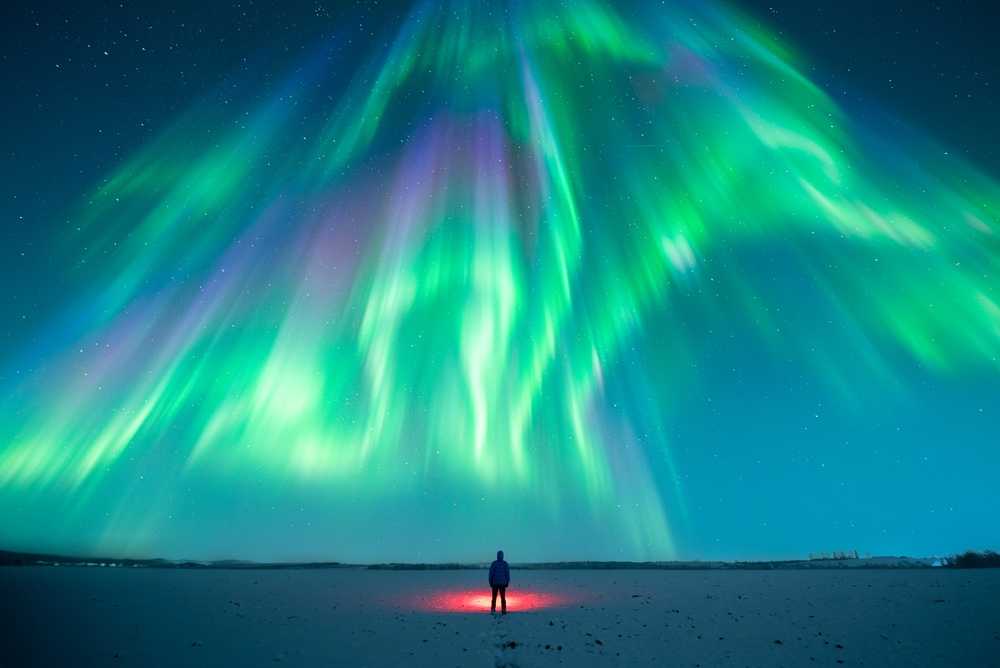
First-time visitors often benefit from the more stable weather conditions and improved accessibility of visiting Iceland between June and September. This is a sweet spot for many visitors, with nearly 24 hours of daylight in early summer, accessible roads, open attractions, and relatively mild weather.
Summer is the easiest and most flexible time to view waterfalls, glaciers, and volcanic landscapes without the challenges of other times. We were surprised by how much the constant daylight changed our rhythm, like hiking at a waterfall at 10 pm without even realizing it.
Best for a Ring Road Trip
The Ring Road is a common route for visitors, whether it’s your first time or you’re returning. If this is your goal, you should visit between late May and early October. The full Ring Road is generally in good condition with minimal risk of closures. The summer months give you the best driving conditions and accessibility, while the shoulder months have fewer crowds.
Best for Northern Lights
The Northern Lights are at the top of many people’s bucket lists, making it a big reason visitors choose Iceland. If you want the best time to visit Iceland for Northern Lights, choose September through March. Seeing the Northern Lights requires dark, clear skies, making winter ideal. However, temperatures will be colder, and road closures are more frequent, so you have to be flexible.
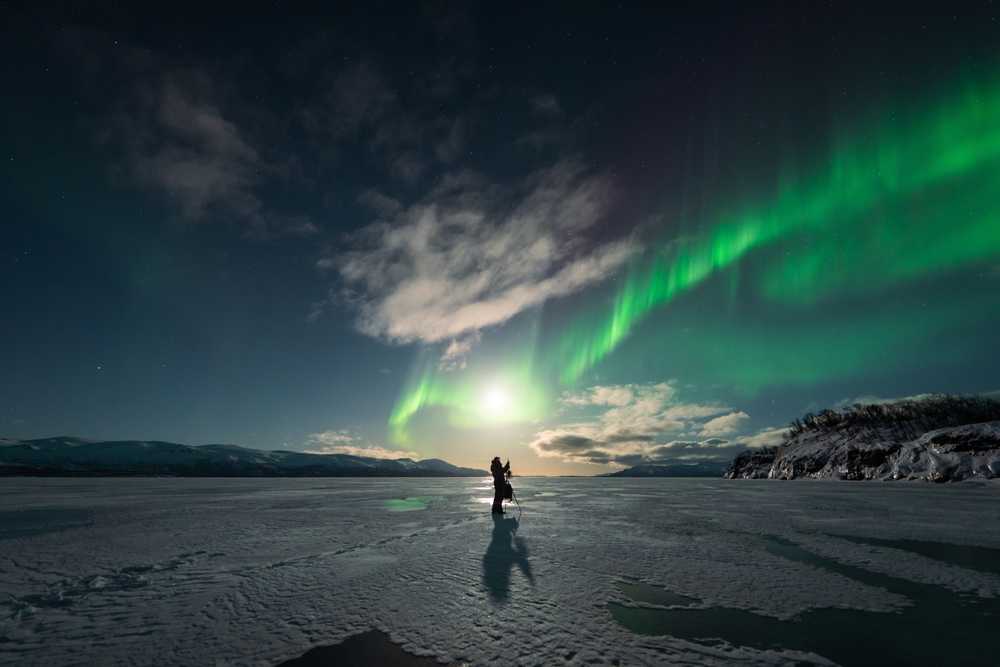
On one of our trips, we didn’t see the lights for three nights in a row, leaving us feeling a little disappointed. But on our last night, we made an extra effort to drive to a more remote location, and the skies completely lit up. That experience alone taught us how important flexibility is when chasing the Northern Lights.
Best for Fewer Crowds
Visiting Iceland with fewer crowds is an attractive prospect. The best time to visit Iceland with fewer crowds is in April, May, September, or October. These months are outside the busy times and come with lower prices while still having good access to many places.
The shoulder seasons have more volatile weather, but you will get a more peaceful experience in the long run. When we visited in early October, we found several popular spots almost entirely deserted in the morning, which felt completely different from the busier summer experiences we had before.
Best for Budget Travelers
Are you looking for the cheapest time to visit Iceland? Traveling in Iceland on a budget isn’t impossible if you visit in November through March, as long as you avoid the major holidays like Christmas, New Year, and Easter. Winter may have limited daylight (as little as 4-5 hours), and some roads and attractions may be closed, but it’s the least expensive option.
Best for the Highlands and F-Roads
F-roads and the Highlands are only open for a short period each year. To see this remote area of Iceland, you must visit between late June and early September. This is the only time of year that you can safely explore the less-traveled parts of Iceland.
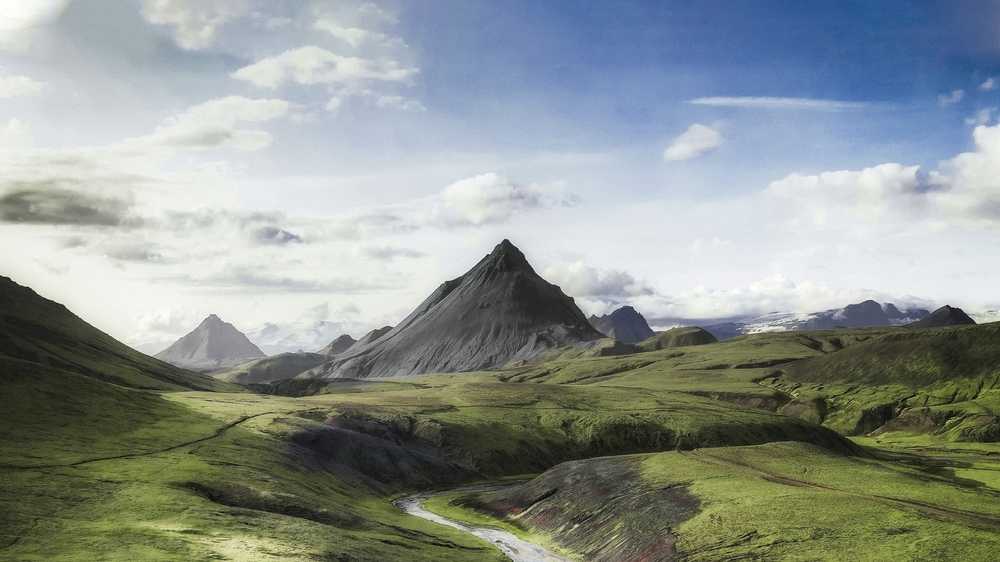
Driving F-roads was one of the most memorable parts of one of our summer trips, but the river crossings were a bit intimidating. We were glad we took it slow and checked conditions ahead of time, and of course, we rented an approved 4x4 with plenty of ground clearance.
Best for Good Weather
Good weather is never guaranteed, but if you want the best time to visit Iceland for good weather, July and August have the best chances. These months statistically have less wind and rain than other months, and temperatures are the warmest, generally 10–15°C (50–60°F). You still need to be prepared for cold, wind, and rain.
Best for Wildlife and Seasonal Experiences
Not all experiences are available throughout the year. For instance, if you’re excited about seeing puffins, you should visit between May and early August. The puffins generally arrive in mid-April, but you have a better chance of seeing them in May or later. Whale watching is also better in the summer, though it is available year-round.
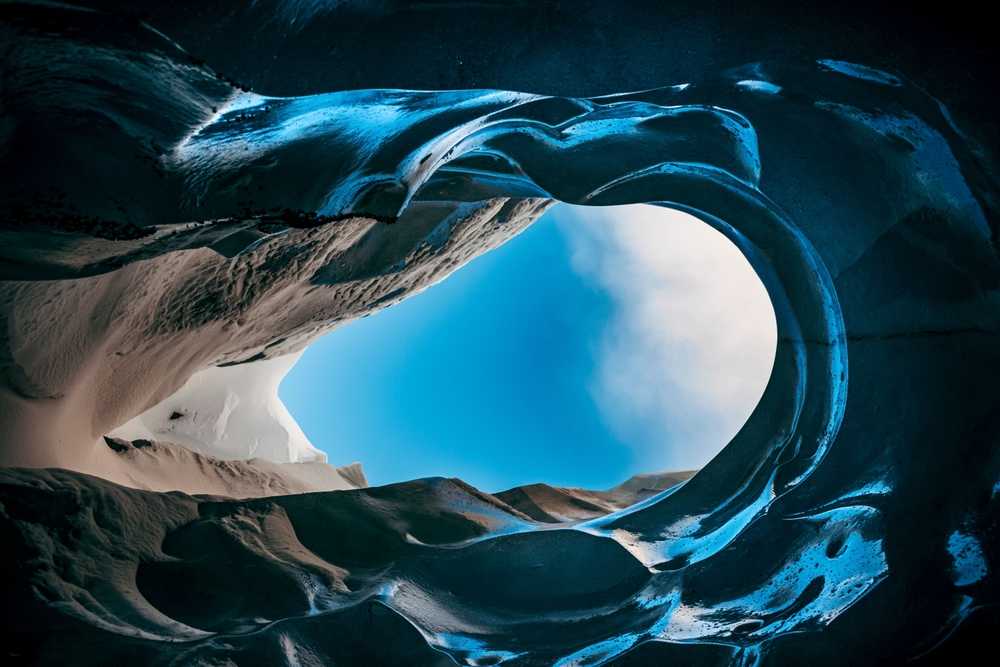
On the other hand, if ice caves are on your must-do list, you must visit between October and April. Ice caves are unsafe in the summer, so tours only operate in winter.
Iceland by Season at a Glance
|
Season |
Weather Feel |
Daylight |
Crowd Level |
Road Trip Ease |
Best for |
Main Trade-off |
|
Summer |
Mild, breezy (10–15°C / 50–60°F) |
Very long (up to 24 hours) |
High |
Excellent |
First trips, full Ring Road, Highlands |
Crowds, Higher prices |
|
Fall |
Cool, mixed conditions |
Shrinking fast |
Medium |
Good (early), Variable (late) |
Fewer crowds, early Aurora |
Unpredictable weather |
|
Winter |
Cold, windy, snowy |
Very short (4-7 hours) |
Low (except holidays) |
Limited, challenging |
Northern Lights, ice caves |
Darkness, road closures |
|
Spring |
Chilly, improving |
Increasing quickly |
Low to Medium |
Improving but patchy |
Budget, fewer crowds |
Muddy roads, mixed access |
Best Time to Visit Iceland by Month
Beyond choosing the right season for your visit, it’s helpful to consider Iceland by month. Knowing the best month to visit Iceland can be a little more challenging, but here’s a breakdown of what to expect in each month.
January to March
Visiting Iceland in January to March is considered deep winter. You can expect snowy landscapes, short days, and dramatic lighting. You have a chance of seeing Northern Lights, visiting ice caves, and walking on glaciers. While daylight is limited and road conditions can be tricky, it’s still a good time to visit.
Choose this if you’re:
- Looking for Aurora
- Interested in guided tours
Avoid if you:
- Are a first-timer
- Want to self-drive
April and May
Spring is a transitional month in Iceland with melting snow and slowly awakening landscapes. You’ll enjoy lower costs and quieter sights, making it a good time for a road trip. However, you must watch for road closures and rapid weather changes that can require adjusting your plans.
Choose this if you:
- Are a budget traveler
- Want fewer crowds
- Want flexibility
Avoid if you:
- Want to visit the Highlands
- Are looking for Northern Lights
June to August
Summer is the busiest time in Iceland for good reason. There’s plenty of daylight, and everything is accessible, so it’s easy to explore. It’s the perfect time to complete the full Ring Road, venture into the Highlands, go camping, and search for puffins and whales. The trade-off is more crowds and higher prices.
Choose this if you:
- Are visiting for the first time
- Want the best driving conditions
- Only have 5-7 days to explore
Avoid if you:
- Want to see Northern Lights
- Don’t like crowds
- Need to save money
September and October
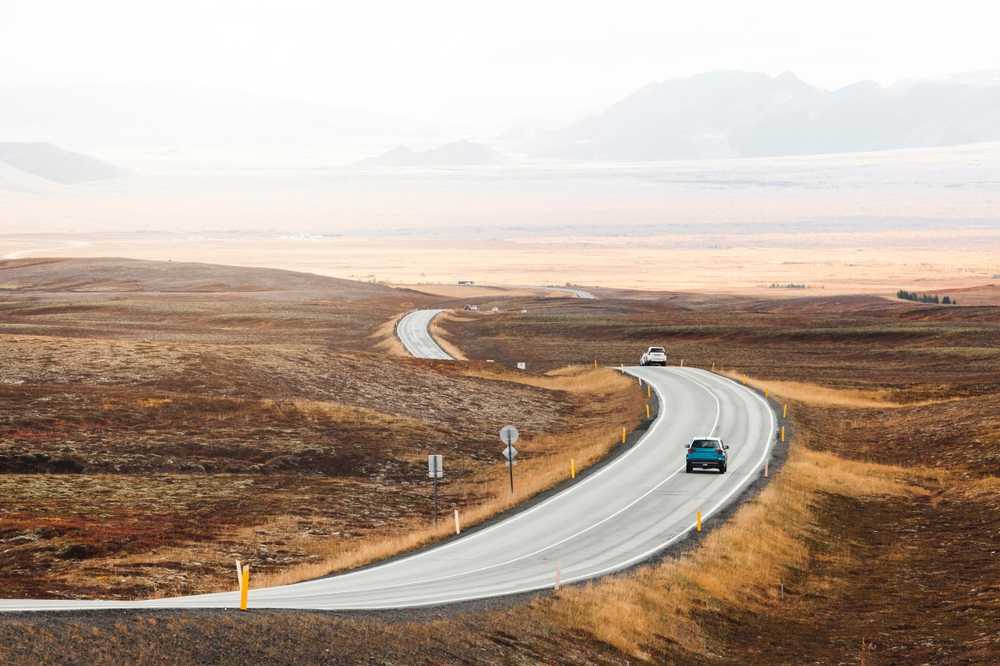
Fall is a beautiful time when the foliage changes colors. It’s quieter and moodier with the returning darkness and Northern Lights. You’ll notice fewer crowds, while many of the sights are still accessible, making this a balanced trip choice. However, weather and road conditions can change quickly, so you may have to adjust your plans.
Choose this if you:
- Are a repeat visitor
- Are interested in the Aurora
- Want to self-drive
Avoid if you:
- Don’t have flexibility in your plans
November and December
Visiting Iceland in November and December is dark, wintry, and atmospheric. The holiday spirit is strong in Iceland, and you get a great chance of seeing Northern Lights and ice cave tours. However, you will be dealing with limited daylight hours and the potential for bad weather conditions.
Choose this if you:
- Prefer to take guided tours
- Want to spot the Northern Lights
Avoid if you:
- Plan to drive the entire Ring Road or take a longer road trip
Best Time to Visit Iceland for Specific Priorities
Everyone has their priorities when they start planning when to visit Iceland. Before you decide on a time for your trip, it’s important to know exactly what you expect to see or do to guide your decision.
Best Time for Northern Lights
Seeing the Northern Lights requires clear, dark skies. In Iceland, the only time this is possible is between September and April, with September and October offering a good balance of darkness and decent weather. The fall and spring equinoxes are also good times. Avoid visiting between May and August if Northern Lights are a priority. Be prepared for poor weather and road conditions, and keep your plans flexible.
Best Time for a Road Trip
Are you looking for the best time to visit Iceland for a road trip? The best time to drive in Iceland is between June and September, but May or early October can be good alternatives with a reasonable chance of good weather. You can expect most places to be accessible, but keep an eye out for rapid weather and road condition changes, especially in the shoulder months.
Best Time for the Ring Road
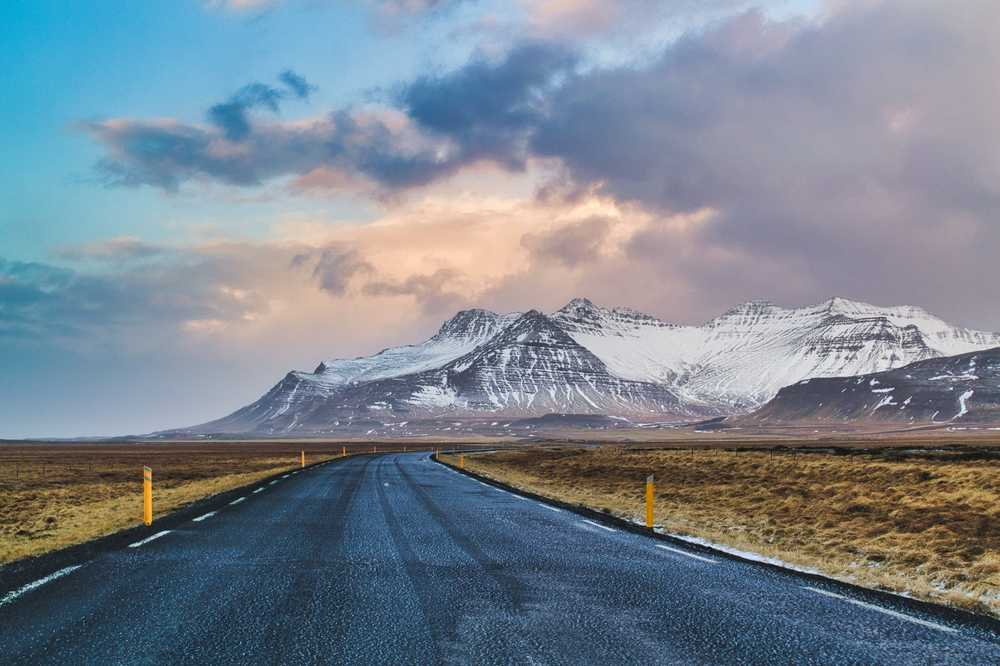
The best time to drive around the full Ring Road is between June and September. Road conditions and weather are more stable during these months. However, the Ring Road is open year-round, which means you can drive it in winter, but you will need more time and flexibility due to weather, poor road conditions, potential road closures, and limited daylight. This means summer is generally a better choice for this road trip.
Best Time for the Highlands
The best and only time to plan for a Highlands trip is between late June and early September. These roads are closed and inaccessible during the rest of the year due to snow and no road maintenance. Waiting until July or August gives you the best chance of full accessibility, but keep in mind that roads can close at any time. You will also need to rent an approved 4x4 and must be comfortable with unbridged river crossings.
Best Time for Fewer Crowds
Seeing Iceland with fewer crowds can be a different experience. If this is a priority for your trip, you should book for April-May or September-October. These months have lower tourist numbers. If you want a good balance, September has low crowds and good accessibility. April is another quieter month, but access can be limited. Planning for these months requires more flexibility due to unpredictable weather conditions.
Best Time for Lower Prices
Saving money on your Iceland trip is more likely if you visit between November and March. You can often find lower prices for accommodations, car rentals, and flights, unless you plan to travel close to major holidays. Although prices are lower, you will face limited daylight hours, the potential for storms and road closures, and less accessibility.
Best Time for Whale Watching and Puffins
Wildlife may be limited in Iceland, but it’s a popular activity for visitors. Puffins generally arrive by mid-April, but the best time to see them is between May and mid-August. Whales are also more active in the summer months, with peak sightings between June and August. If you visit during these months, expect higher prices and more crowds.

Best Time for Good Weather
Iceland’s weather by month varies dramatically. If you want the best chance of good weather in Iceland, you should visit in July or August. The temperatures are highest during these months, ranging from 10–15°C (50–60°F). Rain and wind are generally less frequent during these months, as well, making it a good time for hiking, camping, and enjoying the sights. However, you must still keep an eye on the weather and change your plans accordingly.
What Changes the Most by Season If You Plan to Drive in Iceland
Seeing Iceland in every season is almost like visiting a different place. If you’re planning a self-drive trip, it’s important to know what exactly changes depending on the season you choose.
Daylight and Driving Comfort
One of the most evident changes between seasons is the amount of daylight. The amount of daylight can play a significant role in your driving comfort.
- Summer (June-August): Nearly 24 hours of daylight. We quickly learned not to overpack our itinerary just because there was endless daylight. It’s still easy to burn out if you try to do too much.
- Shoulder Seasons (April-May, September-October): A balanced trip. We found these months to be well-balanced between a good amount of daylight and less stressful driving.
- Winter (November-March): Minimal daylight hours. We found ourselves planning each day carefully around sunrise and sunset times, which made it more difficult to be spontaneous.
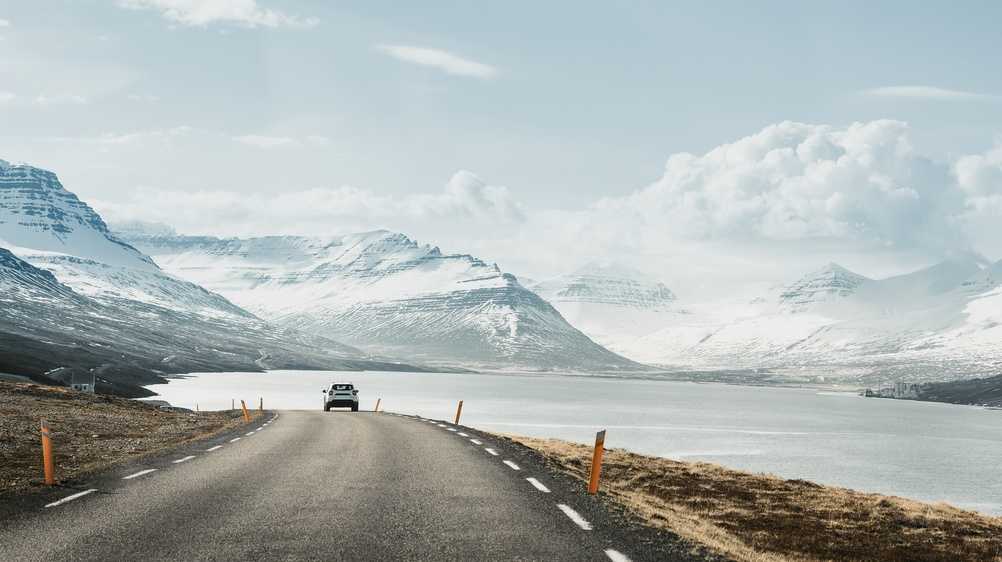
In short, summer is a good time to drive long distances without worrying about darkness, giving you more flexibility with your itinerary. Winter requires careful planning and adjustments based on weather and road conditions.
Road Conditions Outside Winter
Changing road conditions and road closures are expected in winter, but that isn’t the only time. We’ve hit unexpected windstorms in early September that made driving more stressful than we expected, which was a good reminder that conditions can change quickly at any time of year. Being ready for these conditions is vital.
You can expect:
- Spring (April-May): Melting snow means wet, muddy shoulders and gravel roads and occasional icy patches.
- Fall (September-October): Early snowstorms and strong winds can make driving challenging.
- Year-Round: Wind gusts, rain, and rapid weather shifts are common.
When Mountain Roads and Highland Access Usually Open
Mountain roads (F-roads) into the Highlands are only open for a short period each year, usually between late June and early September. These roads lead to more remote locations with less traffic, making them appealing to many visitors. Understanding when these roads are open will help you plan when to visit Iceland if the Highlands are a priority.
If these roads are part of your plan, remember:
- You must rent an approved 4x4 with good ground clearance
- Unbridged river crossings are common
- Roads may open early or close late, depending on conditions
Which Season Is Easiest for a First Self-Drive Trip
Driving in Iceland is relatively straightforward and easy for most visitors, but road conditions can be challenging, depending on the season. If you’re driving in Iceland for the first time, summer is the best time to visit. Traveling in June through September means:
- Long daylight hours
- Fully open main roads
- More predictable weather (by Icelandic standards)
- Easier navigation and safer conditions
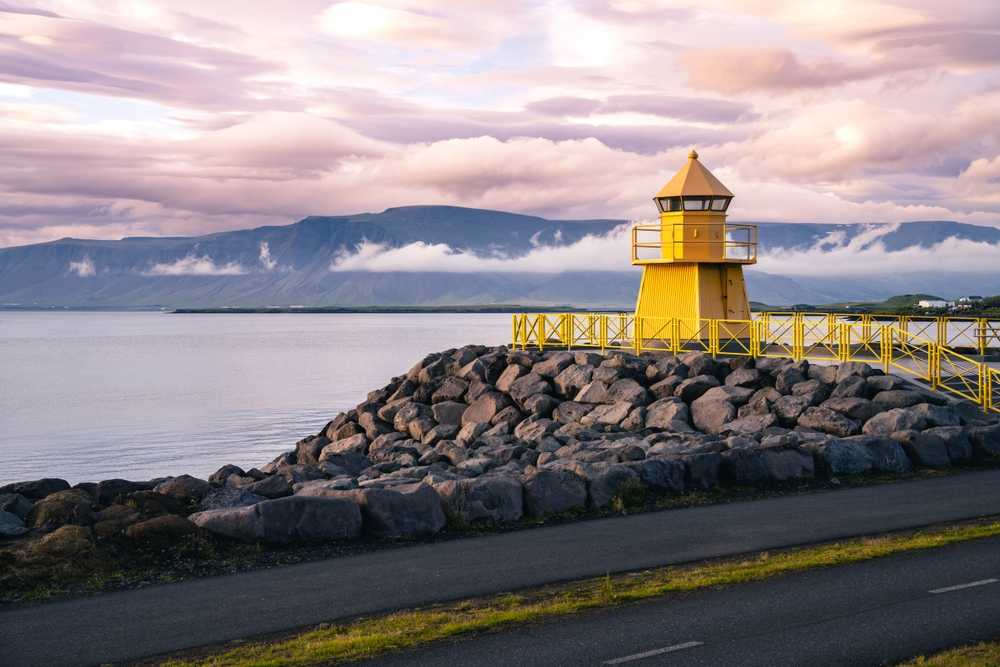
May and October are great compromise months. They can still have good driving conditions with fewer crowds, but you will need to keep a close eye on the weather and road conditions. Driving between November and March often means more challenging driving conditions that require some experience.
Best Time to Visit Iceland by Traveler Type
The type of traveler you are can play a significant role in determining when you should visit Iceland.
First-Time Visitors
Best Time: June to September
If you’re visiting Iceland for the first time, choosing June to September offers the easiest, most flexible conditions. You’ll have plenty of daylight for sightseeing, roads are open, and logistics are simple, allowing you to focus on enjoying Iceland.
You’ll get:
- Maximum access
- Minimal stress
- Fewer crowds in early June or September
Families
Best Time: June to August
Traveling with kids demands flexibility and safe conditions. Summer has more stable weather and generally good road conditions. The long daylight hours and good roads mean safer driving conditions for a comfortable experience.
You can expect:
- Flexible scheduling
- Easier driving
- More open attractions

Budget Travelers
Best Time: November-March, excluding holidays
Traveling on a budget is possible if you visit between November and March, avoiding the major holidays. During these months, you’ll find the lowest prices on flights, accommodations, and car rentals. However, you will need to account for weather, road closures, limited access, and short days.
You can expect:
- Significant cost savings
- Weather disruptions
- Itinerary changes
Photographers
Best Time: Depends on your style
It’s nearly impossible to take a bad picture in Iceland. If photography is your priority, each season has unique benefits to consider:
- Summer (June-July): Midnight sun, soft, golden light for hours
- Fall (September-October): Dramatic skies, changing colors, early Aurora
- Winter (November-February): Snowy landscapes, Northern Lights
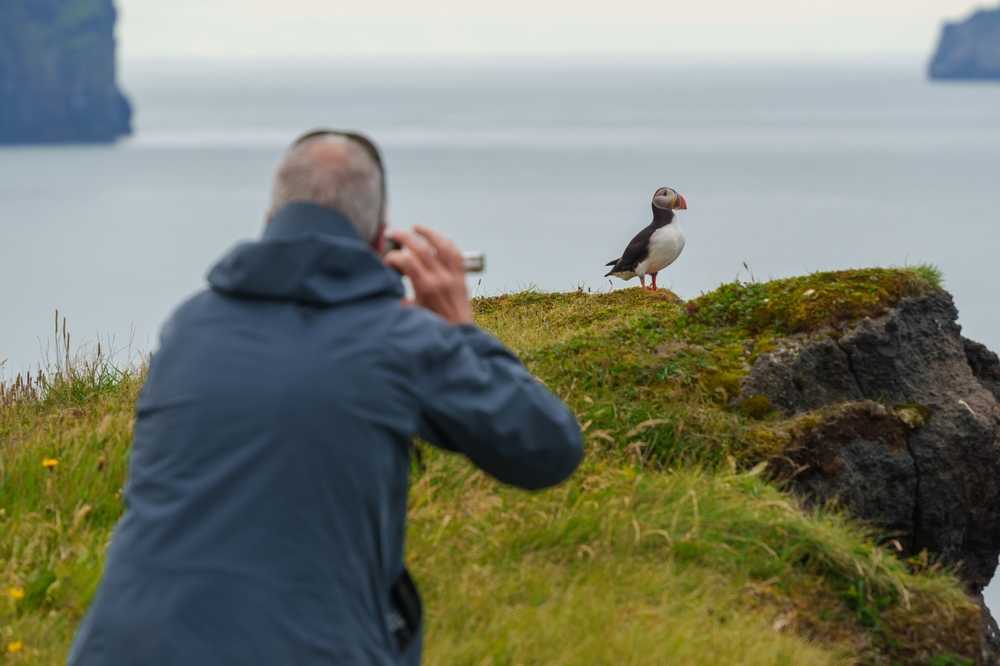
If you enjoy photography, the midnight sun in summer gives you hours of soft, golden light; it almost feels like golden hour lasts forever. However, if you want the possibility of Northern Lights, September is probably a better choice. Each season is so different that you’ll likely want to return in another season to capture more.
Aurora Chasers
Best Time: September-March
The Northern Lights require three things: darkness, clear skies, and solar activity. The only time to experience this natural phenomenon in Iceland is between September and March. While there are never guarantees, you must visit in the winter to get the best chance of seeing the Aurora. October and March give you a good balance of weather and a chance of seeing the lights, while December and January maximize darkness.
We recommend staying at least 4-5 nights to increase your chances. We also found that staying in one place for a few nights boosted our chances without constantly chasing clear skies.
Travelers Who Want the Easiest Trip
Best Time: July and August
If you want a simple, straightforward trip that has little chance of disruptions, the best time to visit is in July or August. The weather conditions are relatively stable, and there is a minimal chance of road closures. Most places are accessible, but this is the peak time for crowds and prices.
You can expect:
- The best road conditions
- The longest daylight hours
- Accessibility in all regions
Travelers Who Hate Crowds
Best Time: April-May, September-October
While crowds in Iceland don’t compare to large cities and other popular tourist destinations, visiting in the shoulder season made the experience feel much more personal; we had time to slow down and really take in each stop.
- Best Overall: September for great balance across the board
- Quietest: April, but expect some limitations
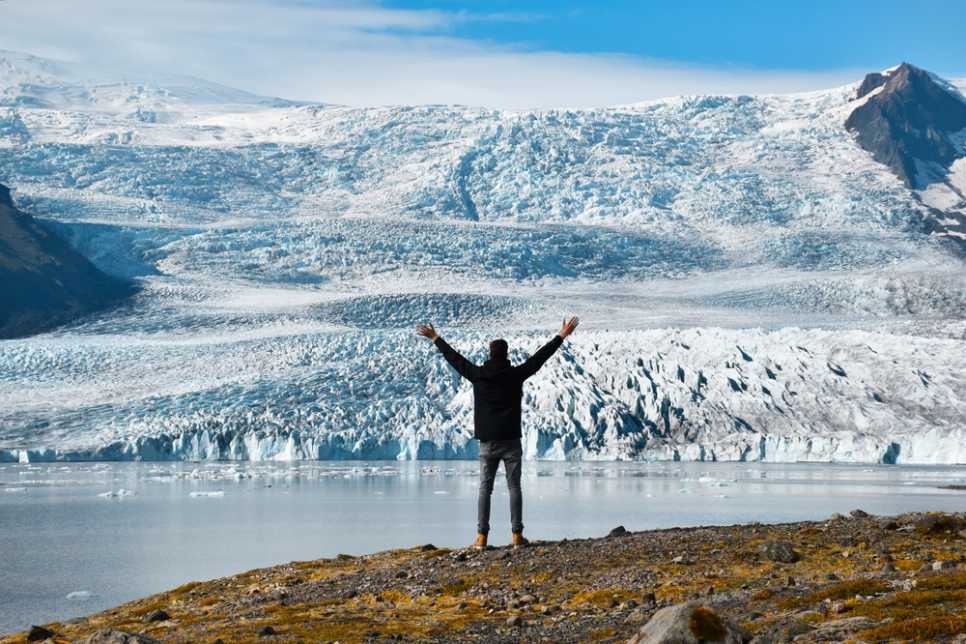
Although you’ll get fewer crowds and lower prices, you trade that for unpredictable weather and some areas that will be inaccessible.
Common Mistakes People Make When Choosing When to Visit Iceland
If you’re still wondering which is the best time to visit Iceland, knowing the mistakes to avoid can help you choose a time that will check off all the boxes. Here are some of the common mistakes people make:
Thinking Summer Is Automatically “Best” for Everyone
While summer is the perfect time for first-timers and those who may have more limited time or feel uncomfortable with winter driving, it isn’t always the best choice. We almost made this mistake ourselves before realizing that our priorities didn’t match summer options. Summer has no chance to see the Northern Lights, along with larger crowds and higher prices. The trade-off is easy access to more locations.
If you want Northern Lights, winter landscapes, or fewer crowds and lower prices, another season is a better choice.
Assuming Shoulder Season Always Means Easy Driving
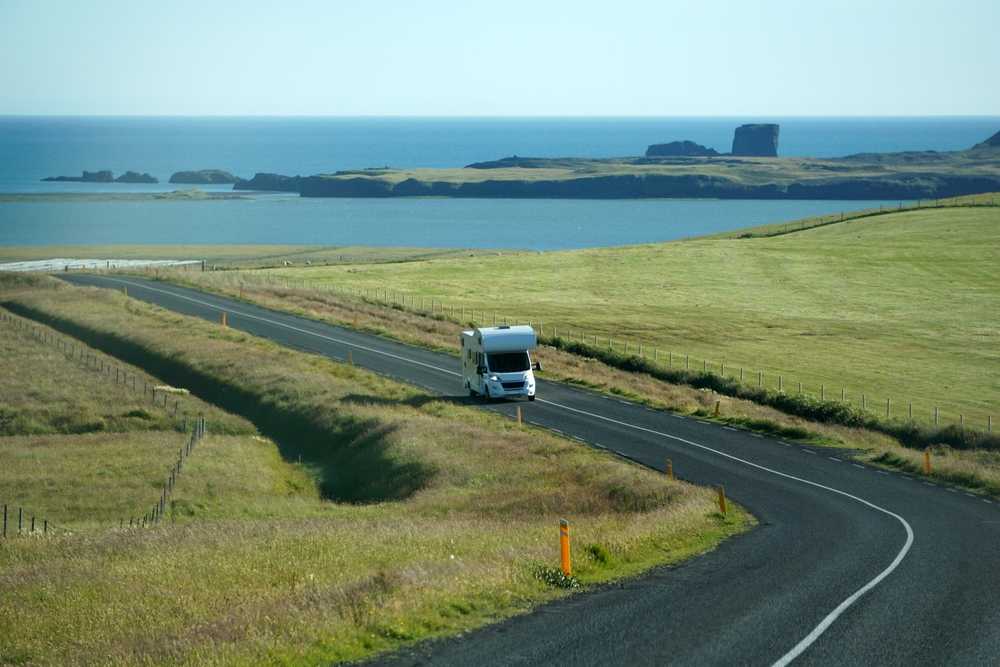
Visiting in the shoulder seasons offers a better balance than summer or winter, but that doesn’t mean it’s always easy. April, May, September, and October can experience high winds, unexpected snowstorms, road closures, and other adverse conditions, so you need to be flexible when visiting in the shoulder seasons.
Booking Too Early or Too Late for the Experience They Want
Finding your sweet spot for booking requires knowing when certain experiences are available. While some things can be done year-round, like snorkeling between the tectonic plates or hiking on a glacier, some experiences are season-specific. Some examples include:
- Booking in early September, expecting fall colors to be present
- Going in late May for the Highlands
- Arriving in March and expecting all roads to be clear
- Traveling in late September with the intention of seeing puffins
Underestimating Daylight or Weather Trade-Offs
Trade-offs are the biggest mistakes many first-time visitors make. For instance, they often think that short daylight hours in winter just mean they need to plan less, when in reality, flexibility is the key. Likewise, many visitors expect perfect summer weather, only to find colder temperatures and windy, wet conditions. When we visited in the summer, we expected the weather to feel mild, but still found ourselves wearing multiple layers on most days.
The reality:
- Winter has Aurora and ice caves with a chance of storms, darkness, and difficulty driving.
- Summer offers long daylight and easy access, but crowds and prices are often higher.
- The shoulder seasons offer a much better balance, but the weather is unpredictable.
So, When Is the Best Time to Visit Iceland?
There’s no single right answer to this question. The true answer lies in exactly what you want from your experience. If you’re ready to make a real-world decision, here’s what we recommend.
- Want the easiest, most stress-free trip?
- Go in July or August for long days, good conditions, and easy access.
- Planning your first trip and want a great balance?
- Go in June or September for good access with slightly lower crowds and prices.
- Chasing the northern lights?
- Go in October or March for dark skies and more manageable weather.
- Want a full Ring Road trip?
- Go June through early September for smooth, safe driving and plenty of daylight.
- Trying to save money?
- Go November through March, but not around the holidays. You’ll get the lowest prices.
- Hate crowds but still want a good experience?
- Go in September or May for reasonable access and lower crowds with a lower risk of bad weather.
If we were planning a trip again, we’d probably choose September because it gave us the best mix of accessibility, atmosphere, and a good chance of seeing the Northern Lights.
FAQ
Is there a bad time to visit Iceland?
No, there is no single bad time to visit Iceland. It’s all about what you want from your trip. If you want easy road trips, winter is difficult. If you want Northern Lights, summer isn’t an option. If you prefer solitude, a summer trip can be more frustrating than relaxing.
What is the cheapest month to go to Iceland?
January and February are usually the cheapest months to visit Iceland. These months see the fewest tourists, and prices for car rentals, accommodations, and flights are generally low. However, it’s also a time of year when the weather can be bad, roads may close, and daylight hours are short.
Can you see the Northern Lights in summer?
No, from approximately May through mid-August, there is zero possibility of seeing the Northern Lights because there is no true darkness.
Is May or September better for Iceland?
For most visitors, September is the better choice. There are fewer crowds, a higher chance of seeing the Northern Lights, and road access is still good. May, however, has lower prices, fewer tourists, and increasing daylight. Therefore, September is a better choice if you want a more complete experience, but May is better for a lower budget and a quieter experience.
Is winter a bad time for a self-drive trip?
It depends on your winter driving experience. If you are from a warm climate with little to no winter driving experience, it isn’t recommended to drive in winter. However, if you have experience driving on snow and ice, you can still self-drive in Iceland. Just be ready for challenging driving conditions and be prepared to change your plans if needed.
When do the Highlands usually open?
Highland roads close in mid-June at the earliest, but some may not open until later in the summer. They generally close around mid-September, but may stay open longer, depending on weather conditions.


