











 English
 Español
 Français
 Italiano
 Deutsch
 Dansk
Dansk 日本語
日本語 Nederlands
 Polski
 Svenska
You’ve decided to go ahead and book that Iceland trip. Now, it’s time to start thinking about your Iceland itinerary. However, building your itinerary requires knowing how many days in Iceland you have. The best Iceland itinerary depends on three things: How many days you have, the season you’re visiting, and how much driving you’re comfortable with.
So, What Is the Best Iceland Itinerary?
We quickly realized on our own trip that even a “short” 2-hour drive in Iceland can easily turn into a half-day trip once you factor in stops, weather, and photo breaks.
In most cases:
- 3-5 days = South Coast and Golden Circle
- 7 days = Fast Ring Road or extended South Coast
- 10 days = Comfortable Ring Road
- 14+ days = Full Ring Road plus detours
Quick Answer: The Best Iceland Itinerary by Trip Length
Here’s a quick look at a basic Iceland road trip itinerary based on the length of your stay.
3 to 5 Days
Stick to the Golden Circle and South Coast. Base yourself in Reykjavík and take daily road trips to see the highlights without driving long distances. Staying a night or two on the South Coast can minimize driving.
5 to 7 Days
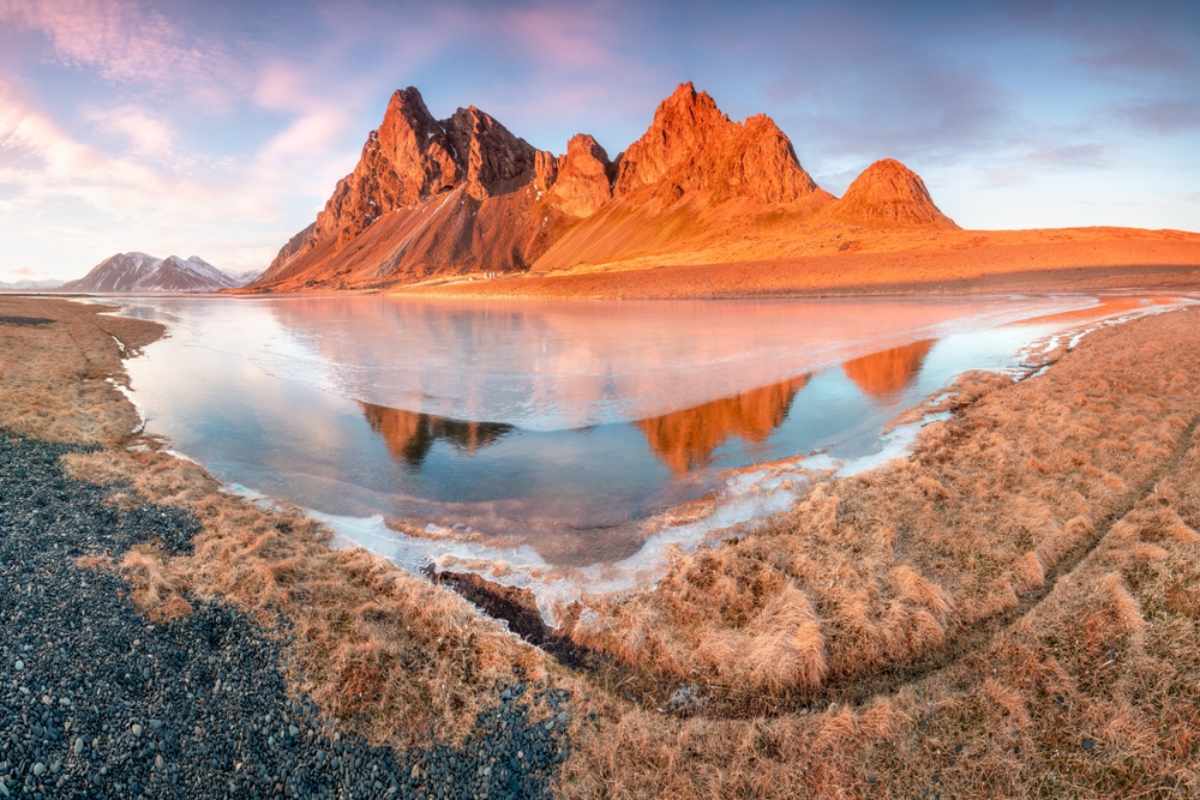
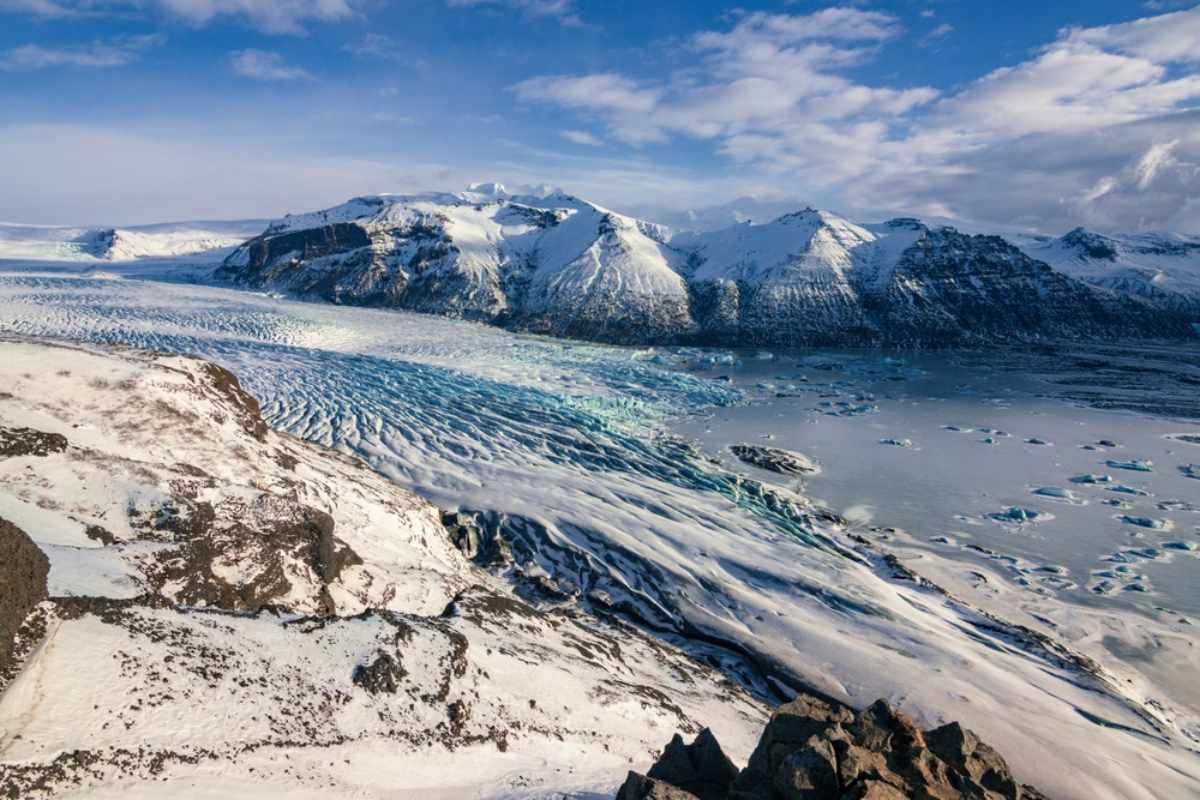
Do an extended South Coast trip all the way to the Southeast corner. You’ll reach as far as Jökulsárlón, the glacier lagoon, and cover more sights than a shorter trip.
7 to 10 Days
Drive the full Ring Road with limited detours. This is the sweet spot amount of time many visitors have to explore the country, but expect long driving days in the east and north. We found the Eastfjords especially deceptive on the map. What looked like a quick coastal drive ended up being one of our longest and most scenic days.
10 to 14 Days
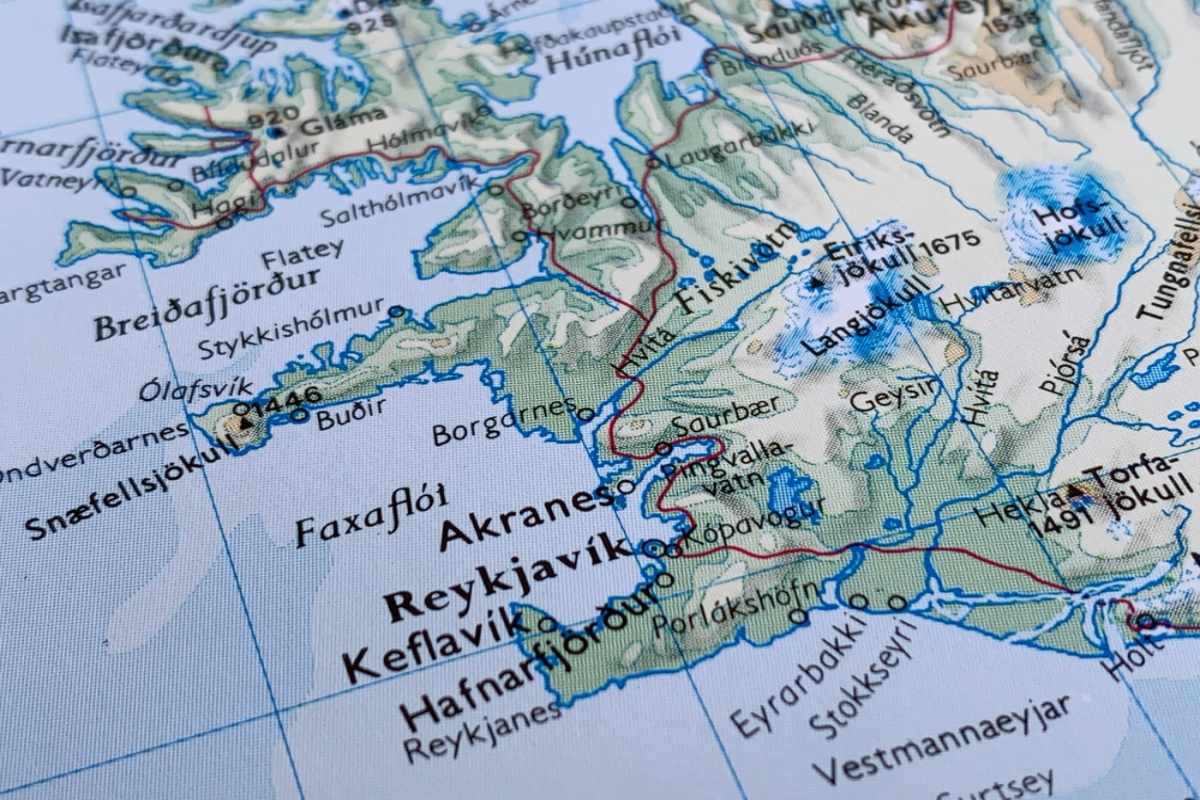
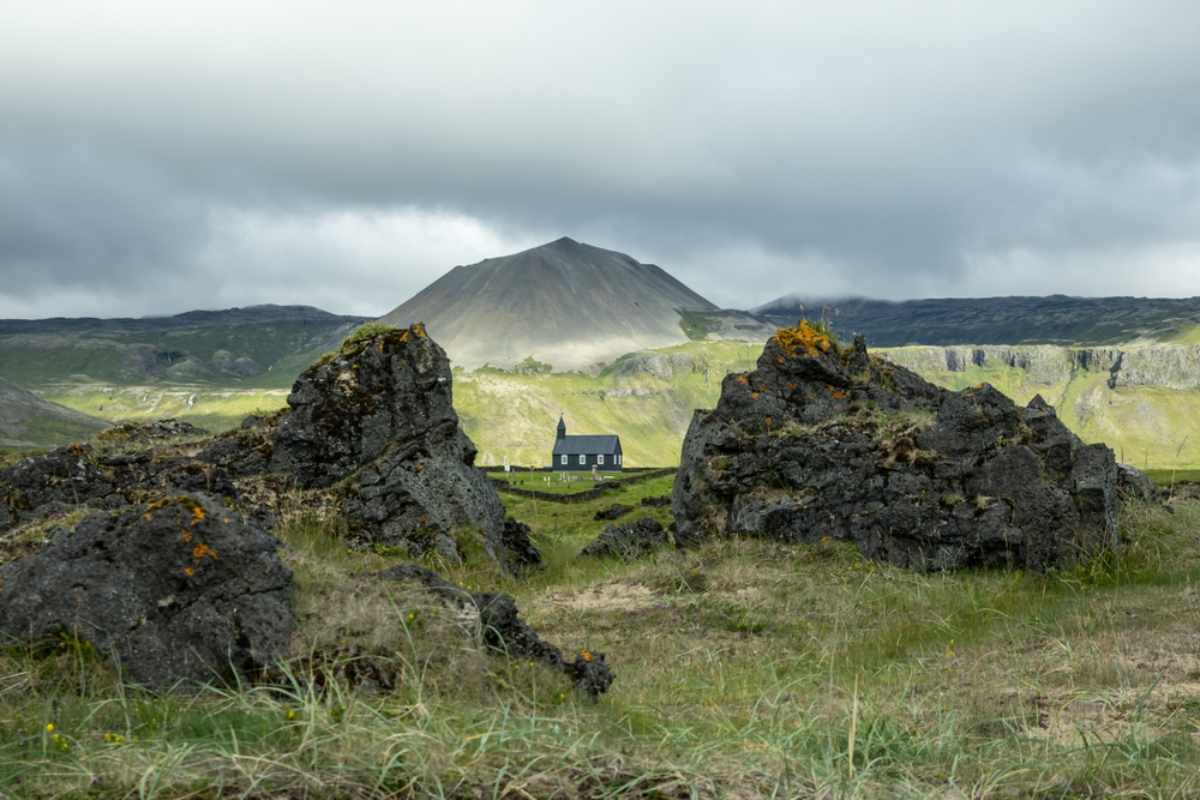
Explore the Ring Road plus detours from the main route. You can easily add on the Snæfellsnes Peninsula and Westfjords for more remote, less-traveled locations.
14+ Days
Go all in with the Ring Road, Westfjords, and even the Highlands, if traveling in the summer. This itinerary gives you the most diverse landscapes, including the rugged interior areas that are only accessible in summer.
How Many Days Do You Need in Iceland?
Before you start putting together your Iceland self-drive itinerary, you have to know how many days you have to spend. As a rule of thumb, 5-7 days is perfect for a first trip, while 7-10 days or even more lets you see more of the country.
Less time requires focusing on just one or a couple of areas, but a longer trip means less rushing and more options. In practice, most people benefit from adding at least one extra buffer day just to have a day without needing to get anywhere specific.
Is 3 to 5 Days Enough?
3-5 days is enough, but only if you stay in the southwest region. Shorter trips also benefit from tours instead of self-driving. We tried to squeeze too many stops into a short trip once and ended up skipping places we actually cared about just to stay on schedule.
Is 7 Days Enough for Iceland?
7 days forces you to choose between a fast-paced Ring Road trip or a slower regional trip. You won’t have time for both. We learned this the hard way. Trying to “do it all” in a week meant we spent more time checking maps than actually enjoying the stops.
When Does the Ring Road Become Realistic?
The Ring Road becomes comfortable in the 8-10 day range. Anything less than that relies on driving long distances daily and can feel rushed.
When Is 10 to 14 Days the Better Choice?
When you want flexibility, weather buffer days, and detours, a 10-14-day trip becomes your target.
The Best Iceland Itinerary by Timeframe
The following will show you what your Iceland itinerary will look like based on the timeframe for your trip.
Best 3 to 5-Day Iceland Itinerary
- Type: South Iceland base trip (no full-circle driving)
- Route: Reykjavík, Golden Circle, South Coast to Vík or Skaftafell
- Why It Works: Highest concentration of major sights with minimal driving
- Trade-Off: No East or North Iceland
- Best for: First-time visitors, long weekend trips, or anyone who wants to maximize sights with less driving.
Best 7-Day Iceland Itinerary
Type: Fast Ring Road or focused South Coast trip
- Route: Ring Road loop or South Coast-focused extension
- Why It Works: Maximum coverage in a limited time
- Trade-Off: Long driving days, limited flexibility
- Best for: Travelers who want to see as much as possible during their trip and don’t mind a packed itinerary.
Best 10-Day Iceland Itinerary
Type: Balanced Ring Road
- Route: Full Ring Road with detours
- Why It Works: First comfortable full-circle trip
- Trade-Off: Must choose between the Westfjords and the Highlands
- Best for: Visitors who want a more balanced trip with a mix of the popular stops and some exploration beyond the basics.
Best 14-Day Iceland Itinerary
Type: Full Iceland and Extensions
- Route: Ring Road plus Snæfellsnes Peninsula, Westfjords, and Highlands (in summer)
- Why It Works: Flexibility, slow travel, and time for detours
- Trade-Off: Higher cost and more driving overall
- Best for: Travelers who want a comprehensive, immersive Iceland experience beyond the popular sites, with access to quieter regions.
Ring Road or a Shorter Loop? How to Choose
Just because you have time to complete the Ring Road doesn’t mean that it’s the best choice. Choosing between an Iceland Ring Road itinerary or a shorter loop comes down to answering one core question: Do you want to maximize coverage or enjoy a more relaxed pace?
When the Ring Road Is Worth It
Creating an Iceland Ring Road itinerary is worth it if you have at least 7-10 days and want to see a wider variety of landscapes, from the South Coast waterfalls to the quieter, coastal Eastfjords to the rugged volcanic North.
It’s especially worth it if:
- You have 8 or more days
- You enjoy long driving days
- You want full geographic coverage
Avoid this option if:
- You have less than 7 days
- You prefer slow travel
- You want fewer hotel changes
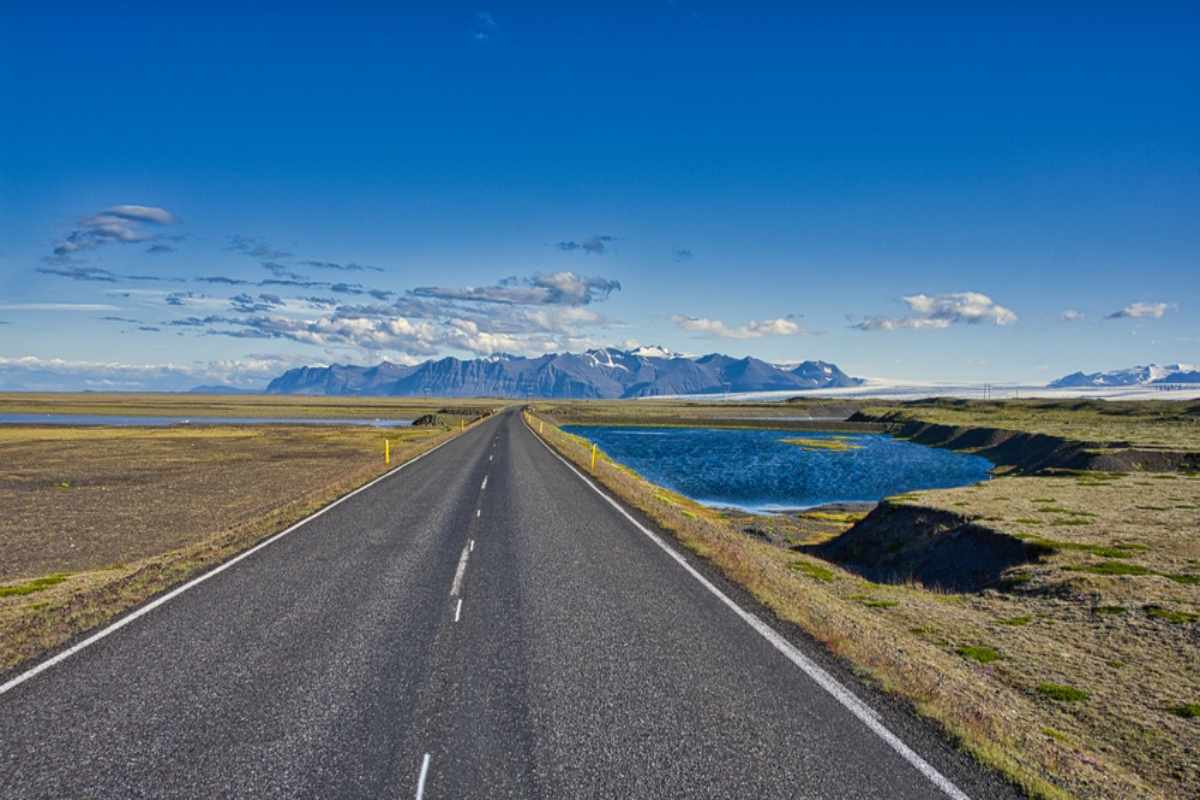
Bottom line: The Ring Road is about seeing as much as possible, even if it means moving quickly. In our experience, the days we enjoyed most weren’t the ones where we covered the most distance; they were the ones where we only had two or three planned stops and left everything else flexible.
When a Southwest Loop Is Smarter
Completing a shorter loop that includes the Golden Circle, part of the South Coast, and potentially the Snæfellsnes Peninsula is often the better choice if you only have 5-7 days in Iceland. It’s also a better itinerary if you prefer a slower pace for your trip.
This Iceland road trip itinerary works well because:
- Many of Iceland’s iconic sites are along the South Coast and the Golden Circle
- You’ll spend less time driving and more time exploring
- It’s easier to adjust your plans based on the weather
Bottom line: A South Coast loop prioritizes depth over traveling long distances. You’ll see fewer regions but get a better overall experience.
Why Trying to “Do It All” Can Backfire
Many visitors make the mistake of trying to fit as much as possible into a short period. Trying to do the entire Ring Road in a limited time can lead to:
- Long, tiring days of driving (5-7+ hours daily)
- Skipping stops or rushing at major sights
- Less flexibility for weather disruptions
Bottom line: Iceland rewards slower travel, and a rushed itinerary can turn a beautiful trip into a checklist.
Who Should Prioritize Pace Over Coverage
Choose a slower, shorter itinerary if you:
- Prefer hiking, photography, or soaking in hot springs over long drives
- Are traveling in winter when conditions can change quickly
- Want a less stressful, more flexible trip
- Are visiting Iceland for the first time and plan to return

Bottom line: If you’re debating between seeing more and enjoying more, Iceland performs better for enjoying more.
How Season Changes Your Iceland Itinerary
Designing your Iceland itinerary by season is vital to ensure you aren’t planning too much, especially in the winter. Your perfect itinerary isn’t just about time; it’s about weather, daylight hours, and road conditions. A 7-day trip in summer will look vastly different than a 7-day trip in winter.
Summer Itineraries
Best for: Full Ring Road, Westfjords, the Highlands
Visiting in the summer (June-August) gives you:
- The Midnight Sun, with nearly 24 hours of daylight
- Easier driving conditions
- Access to remote areas
This is the time of year when you can:
- Comfortably drive the Ring Road in 7-10 days
- Add detours like the Snæfellsnes Peninsula and the Westfjords
- Explore the F-roads into the Highlands
Trade-off: It’s peak season, so you’ll experience more crowds and higher prices, especially in the South.
Winter Itineraries
Best for: Shorter, flexible routes (Golden Circle, South Coast)
The winter months (November-March) bring:
- Limited daylight hours (down to 4-6 hours)
- Unpredictable weather and road conditions
- Ideal conditions for Northern Lights
The smart approach to your winter itinerary is to:
- Base yourself around the southwest
- Keep daily drives short
- Build in buffer days in case of weather alerts or road closures
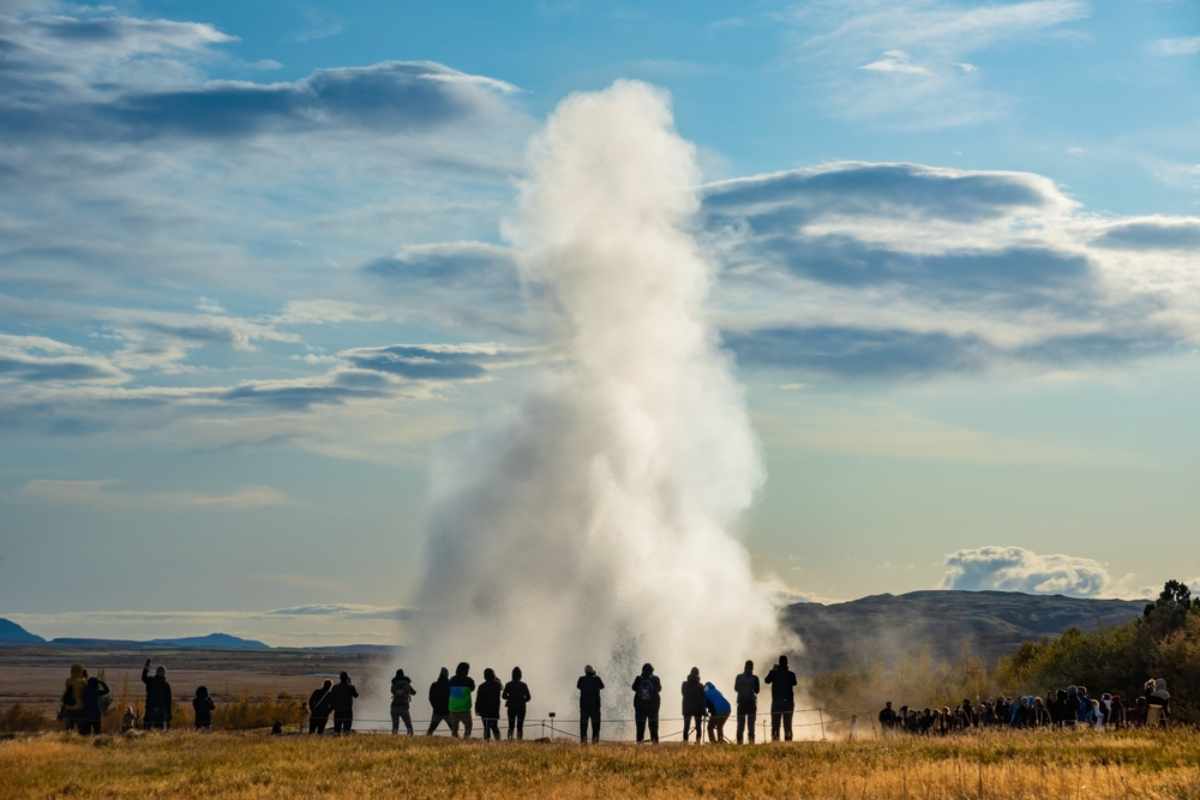
Trade-off: You’ll see fewer regions, but you'll see dramatic winter landscapes and experience fewer crowds.
Shoulder-Season Trade-Offs
Best for: Balanced trips with fewer crowds
Spring (April-May) and fall (September-October) are transitional months in Iceland. You can expect:
- Moderate daylight
- Fewer tourists than in the summer
- More variable weather
These seasons are ideal for:
- A flexible Ring Road trip over 8-10 days
- Catching the Northern Lights (primarily in fall)
- Avoiding peak pricing
Trade-off: Conditions can change quickly, with a mix of summer-like days and wintry storms.
When Highlands / F-Road Itineraries Become Realistic
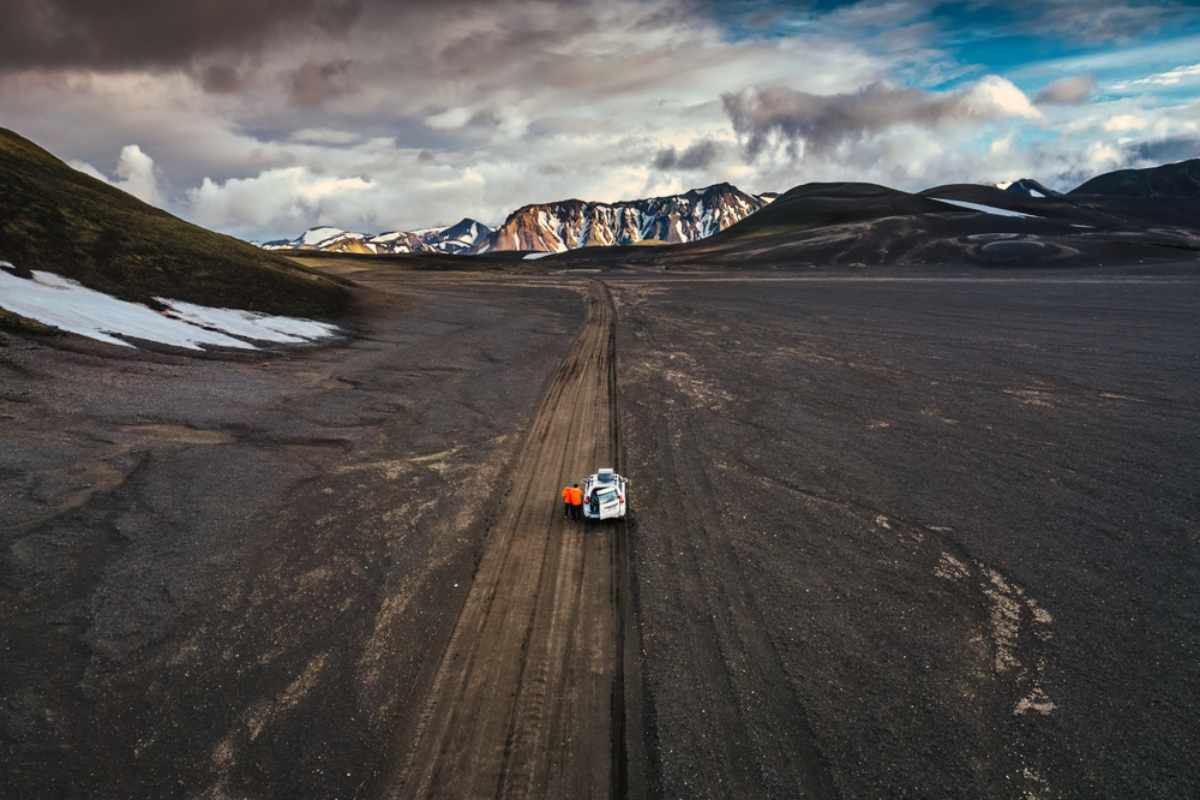
The remote Highlands are only accessible when the F-roads open for the summer. These roads typically start opening around mid-June and close around mid-September, but the exact dates vary depending on conditions.
These routes require:
- An appropriate 4x4 with plenty of ground clearance
- Confidence with rough roads and unbridged river crossings
Trade-off: F-roads are never guaranteed to be open. They depend on conditions set by the Icelandic Road Administration.
Bottom Line:
- If you want more flexibility and accessibility, go in the summer.
- If you want the Northern Lights and fewer crowds, choose a winter trip.
- If you want balance, aim for the shoulder seasons.
Best Iceland Itinerary by Traveler Type
What type of traveler are you? Your personal preferences and travel style play a significant role in what your Iceland itinerary will look like. Here’s how to match your itinerary to your preferred travel style:
First-Time Visitor
Best route: Golden Circle plus South Coast (5-7-day trip)
If you’re visiting Iceland for the first time, focusing on the south and southwest is your best strategy. Many of the country’s most famous sites are located in these areas.
Why: You’ll see waterfalls, black sand beaches, glaciers, and geysers without overcomplicating your schedule.
Upgrade option: Extend your trip to 7 days to see more of the country or explore more in-depth.
Travelers Who Want the Easiest Road Trip
Best route: Reykjavík-based stay with short day trips
Choose accommodations in or near Reykjavík and plan short day trips for each day, such as the Golden Circle, South Coast, and Snæfellsnes Peninsula.
Why: You won’t have to worry about constant packing and unpacking, and you will have minimal navigation stress. You also have easy access to guided tours if you prefer.

Trade-off: You’ll see fewer places, but the trip will be far more relaxed.
Travelers Who Want the Most Iconic Sights
Best route: South Coast and Golden Circle (5-7 days)
This region is packed with most of Iceland’s most iconic sights and must-see landmarks. You’ll see Gullfoss, Skógafoss, Reynisfjara, and Jökulsárlón Glacier Lagoon, among others.
Why: You’ll recognize just about every stop, so you can experience them for yourself.
Trade-off: You’ll miss many of the quieter regions like the Westfjords.
Travelers Who Hate Rushed Itineraries
Best route: Spend 7-10 days in one or two regions or complete a slow Ring Road trip (10-14 days)
Instead of planning long distances daily, focus on visiting fewer places and spending more time exploring each one.
Why: Iceland rewards slower travelers who take the time to hike. Staying flexible with your plans and making spontaneous stops is an adventure in itself.
Avoid: Trying to force the entire Ring Road into 5-7 days.
Adventure-Focused Travelers
Best route: Ring Road and the Highlands (10-14+ days)
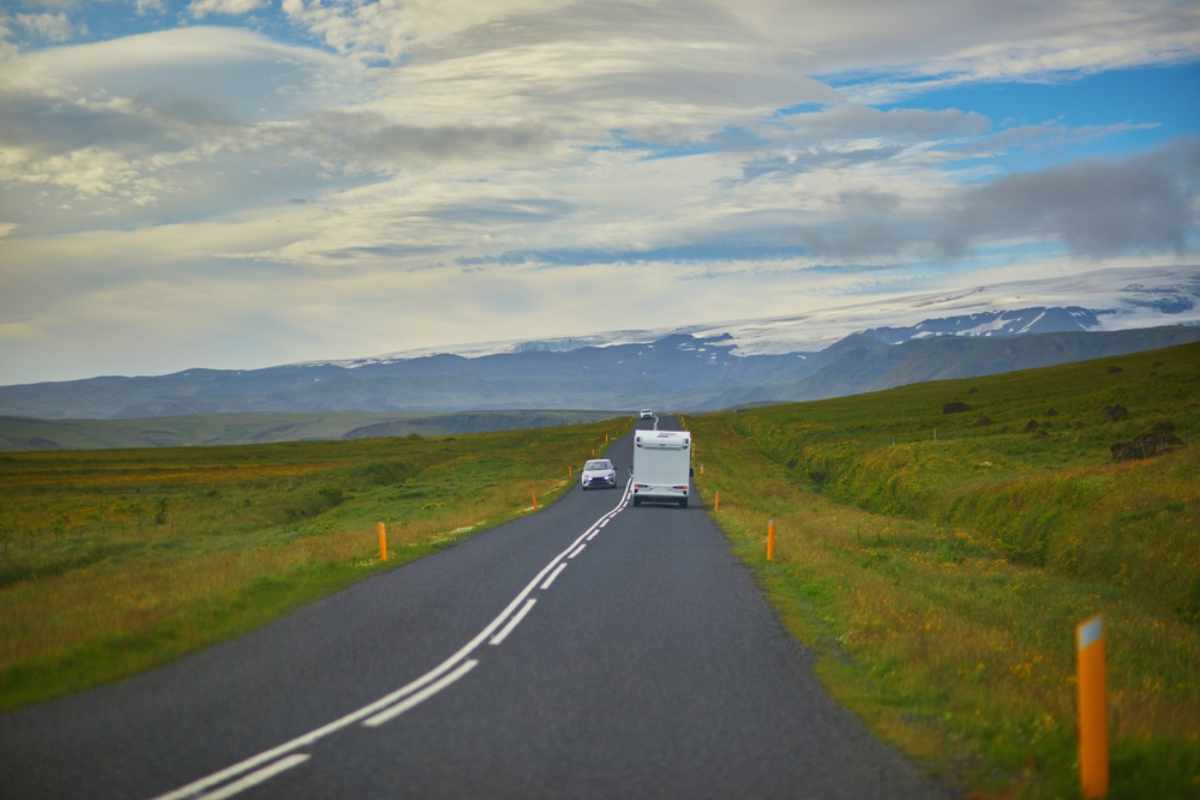
Leave the main roads behind and venture into the more remote regions of the country, like Landmannalaugar and Askja.
Why: You’ll get to experience remote landscapes, unbridged river crossings, F-roads, and epic multi-day hikes with fewer crowds.
Requirements: An approved 4x4 with good ground clearance, summer travel, and flexible planning.
Winter Travelers
Best route: Southwest Iceland base and flexible South Coast itinerary
Winter trips are best focused on staying near Reykjavík and along the South Coast.
Why: This area typically has safer driving conditions, and you’ll get better daylight efficiency, along with better odds of seeing the Northern Lights.
Strategy: Keep distances short and plans flexible to account for rapid weather changes.
Matching your Iceland itinerary to your travel style, instead of simply on the amount of time you have, can turn your Iceland trip into an epic one.
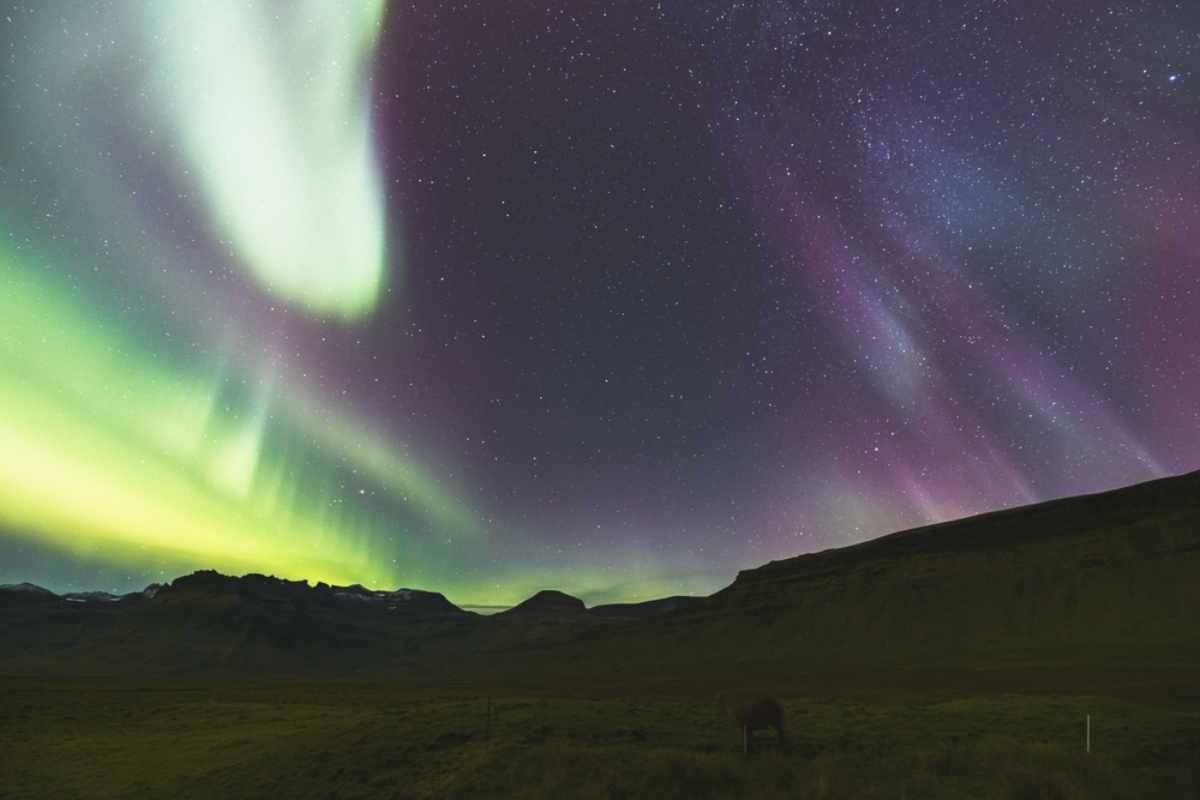
What Makes an Iceland Itinerary Realistic or Unrealistic
A good Iceland itinerary isn’t just about listing the things you want to see during your trip; it’s about what you can realistically see given the timeline of your trip, the season, distance, and conditions. Many trips look great on paper, but as soon as you try to put it into practice, it can quickly fall apart.
Here are factors that can help you determine if your itinerary is realistic:
Driving Time vs. Sightseeing Time
The biggest mistake visitors make is looking solely at the driving times between locations. A short distance can sometimes still mean long travel times due to the weather, road conditions, and single-lane bridges or tunnels, along with time spent at each stop.
A realistic itinerary should:
- Keep driving to no more than 3-5 hours per day on most travel days.
- Build in multiple stops instead of constant driving.
- Treat driving as part of the experience, not just a means of getting from one place to another.
Some of our favorite memories came from unplanned stops along the way that weren’t even marked as destinations. Packing in too many stops with little or no time for exploring them is unrealistic.
Airport Day and Jet Lag
Arrival day and departure day are often overplanned by many visitors, especially those arriving in the early morning after an overnight flight. Jet lag can reduce energy and reaction times significantly, often unexpectedly.
A realistic plan should:
- Minimize driving on arrival day, staying in Reykjavík or nearby
- Leave buffer time for returning the rental car and arriving at the airport at least 3 hours ahead of departure
Many itineraries fail simply because they include too many activities or too much driving on arrival and departure days.
Weather Flexibility
Weather isn’t a secondary consideration for an Iceland trip; it’s a primary planning issue. Conditions can change rapidly, leaving you to change your plans. We had days where we completely changed plans mid-route because wind conditions made certain areas unsafe, so having backup options wasn’t optional; it was essential.
A realistic itinerary:
- Includes backup plans and alternate routes
- Avoids rigid timeline constraints
- Accepts that high winds, rain, or snow can require alternative plans
An unrealistic itinerary is based on absolutely perfect conditions every day, which is an unlikely scenario.
Road Access and Closures
While most roads are open and accessible during summer, it is never guaranteed.
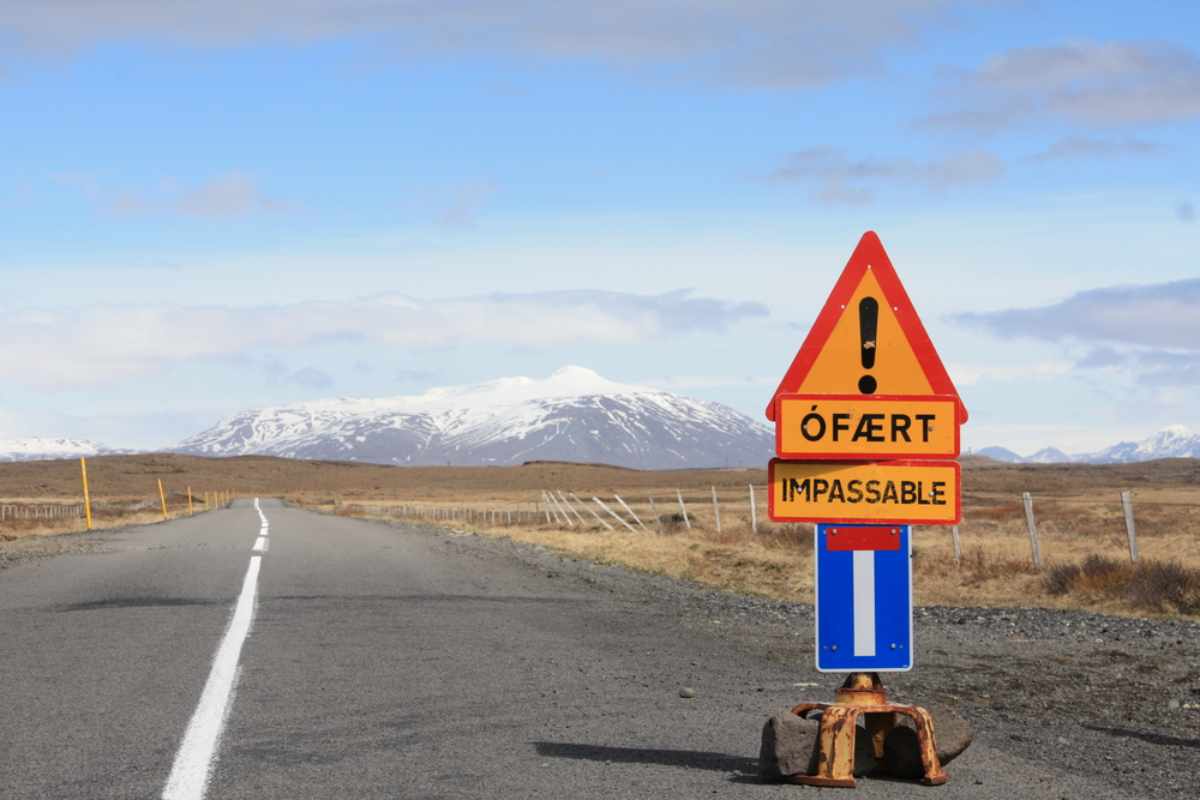
Key realities:
- Mountain roads and interior routes can close unexpectedly
- Even main roads can slow or close during storms or due to ice
- Remote regions require a proper 4x4 and are only accessible in summer
This is why flexible planning is essential, so you can easily change your plans if roads close or access becomes limited.
Why One Extra Stop Can Change the Whole Day
Distances on the map can be deceptive in Iceland. Adding even one extra stop along the way can add significant time to your day.
- 1 extra waterfall can add 45-90 minutes to your itinerary
- Extra stops can mean gravel roads and more time spent parking
- A 5-hour day can quickly become an 8-hour day
We once stopped for “just one quick waterfall” and ended up spending nearly an hour there without realizing it. A realistic itinerary should prioritize fewer high-quality stops instead of packing in as many stops as possible.
In the long run, your Iceland itinerary should include plenty of buffer time, weather flexibility, and honest driving limits to account for the unexpected. Simply mapping your route without considering how Iceland behaves will most likely result in an unrealistic plan.
Common Iceland Itinerary Mistakes
Most issues with your Iceland itinerary don’t result from choosing the wrong destinations but instead occur because of how the itinerary is structured and paced. Your route may look perfect on the map, but once you get there, things start going wrong due to weather, road conditions, distance, and other driving realities.
Trying to Do the Ring Road Too Fast
The Ring Road isn’t meant to be rushed. Trying to complete the Ring Road in under 7 days leads to mostly driving, not sightseeing.
What goes wrong:
- Constant long driving days (sometimes more than 8 hours)
- No time for spontaneous stops
- Key sights get skipped simply to stay on schedule
Many travelers underestimate how draining 6-8 hours of driving can really be, especially when you still want to stop frequently for photos. The result is often a trip that feels more like a checklist and less like an actual experience.
Underestimating Driving Distances
Iceland looks small on a map, and in a way it is. However, these distances can be deceiving. Even with GPS telling you one thing, we found real-world conditions often added significant time to almost every drive.
Why does this happen?
- One-lane bridges and winding coastal roads can slow you down
- Weather can significantly reduce your speed
- Scenic stops are frequent and difficult to resist
In Iceland, assume 1.5-2 times longer driving times than your navigation app gives you.
Ignoring Season and Road Access
The season you choose has a direct impact on your itinerary. Not all areas are accessible throughout the year.
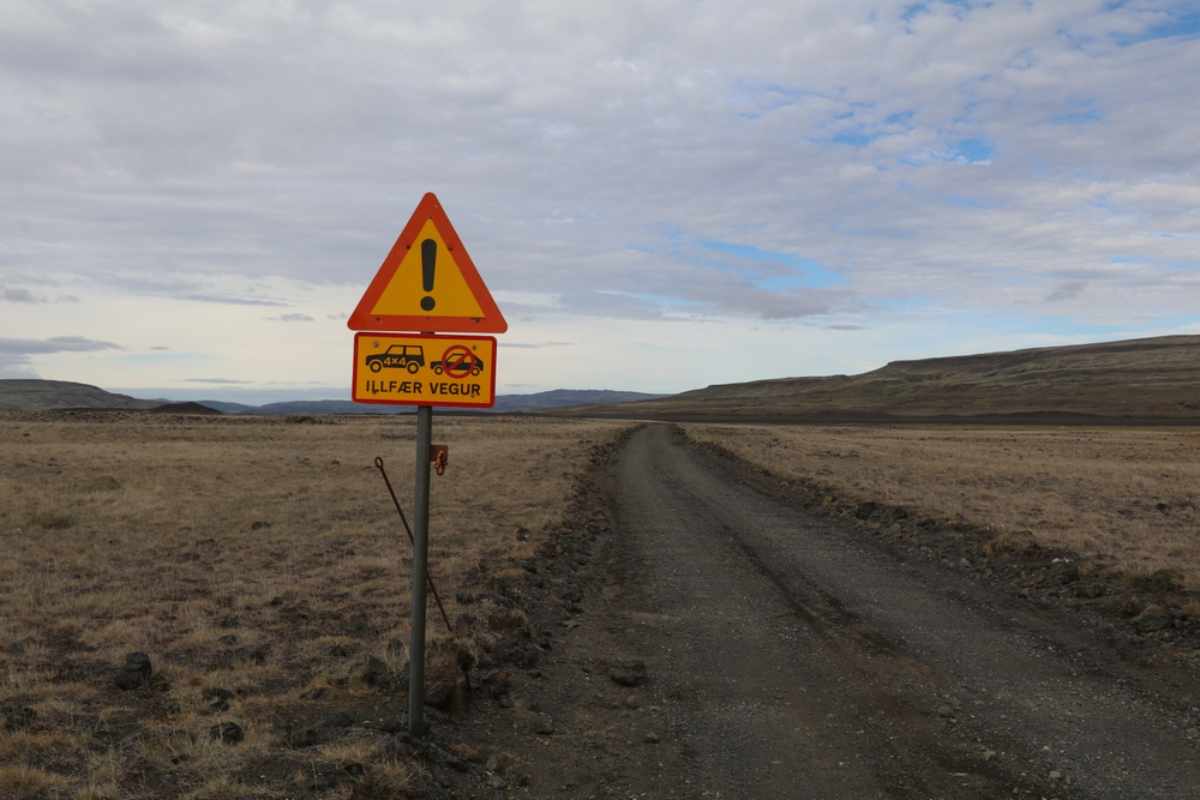
Common issues:
- Planning the Highlands or other interior routes in the winter when roads are closed
- Overestimating summer access without checking roads
- Not accounting for wind, storms, or icy conditions
In Iceland, the ability to follow your itinerary varies based on the conditions on any given day.
Packing Too Many “Must-Sees” into Each Day
Trying to fit in all the primary sights and more is a classic mistake many visitors make.
Packing your itinerary too much often leads to:
- Rushed visits with little time at each location
- Long driving times between stops
- Fatigue and difficulty making decisions
A better approach to your itinerary is to prioritize regions, rather than specific stops.
Choosing a Route That Doesn’t Fit Your Driving Comfort
No itinerary in Iceland is a one-size-fits-all option.
Problems arise when:
- New drivers attempt long Ring road segments
- Winter trips include remote or icy roads without experience
- Travelers underestimate how tiring constant driving or gravel roads can be
A good itinerary will match your comfort with distance, weather, and road conditions, not just what you want to see.
The most successful Iceland road trip itineraries aren’t long or overly ambitious; they’re itineraries that respect time, distance, season, and driving realities.
Final Recommendation: Which Iceland Itinerary Should You Choose?
If you use only one section in this article, use the table below. It’s the fastest way to choose your ideal Iceland itinerary.
|
Traveler Scenario |
Best Itinerary |
Why It Works |
What to Avoid |
|
First-time visitor (short trip) |
South Coast and Golden Circle (3-5 days) |
Iconic sights, minimal driving, easy logistics |
Trying to fit in the full Ring Road |
|
One-week traveler |
7-day Ring Road (fast-paced) or South and West extension |
Maximum coverage with limited time |
Expecting a relaxed pace across the full loop |
|
Best overall Ring Road experience |
8-10 day Ring Road with detours |
Balanced driving, time for stops, flexibility |
Compressing into 7 days or fewer |
|
Easy self-drive trip |
Reykjavík base with Golden Circle and South Coast road trips |
No constant hotel changes, lowest stress driving |
Long cross-country driving days |
|
Slow travel / low stress priority |
South Iceland focus (more for a 10-14 day trip) |
More time per place, less rushing |
Attempting full country coverage in a short time |
The least advisable option is trying to fit the full Ring Road in less than 5 or 6 days. It’s too much driving and too little sightseeing.
Bottom line:
- If you want the safest Iceland itinerary for the first time, choose the South Coast and Golden Circle.
- If you want the full experience done right, aim for 8-10 days for the Ring Road.
- If you’re short on time, choose just one or two regions, not the entire loop.
If we had to plan it again, we’d personally choose slightly fewer regions rather than trying to see everything in one trip.
FAQ
What is the best Iceland itinerary for first-timers?
For most first-time visitors to Iceland, the best itinerary is spending 3-5 days exploring the Golden Circle or South Coast, or completing the Ring Road in 7 days or more. The southwest route gives you a wide geographic range with less driving, while the Ring Road offers more variety, although it requires more time.
Is 7 days enough for Iceland?
Yes, 7 days is enough, but it can limit your itinerary. You can either drive the Ring road in a fast-paced loop or focus on the South Coast plus one additional region for a slower pace. It’s enough time to see a lot, but not for in-depth exploration.
Can you do the Ring Road in a week?
Yes, you can have an Iceland itinerary for 1 week that covers the Ring Road, but it will be fast-paced and require a lot of driving. You’ll likely spend several days with long driving stretches and limited time for stops. 8-10 days is better for a Ring Road trip to give you more sightseeing time, greater weather flexibility, and fewer rushed driving days.
Is 10 days enough for Iceland?
10 days is one of the best durations for your Iceland trip. In 10 days, you can:
- Complete the Ring Road at a relaxed pace
- Add detours like the Snæfellsnes Peninsula
- Have buffer time for weather disruptions or unplanned stops
This amount of time is the sweet spot for Ring Road trips.
What is the best winter itinerary for Iceland?
In winter, it’s better to create a Southwest-based itinerary that centers around Reykjavík, the Golden Circle, and the South Coast. This region often has safer road conditions. Daylight hours are short, and staying in or near the capital gives you access to tours if you prefer that option.
When do Highlands itineraries become realistic?
A Highlands itinerary is only possible in the summer. The interior F-roads typically don’t open until around mid-June and only stay open until mid-September. To drive these routes, you will need an approved 4x4 and stable weather conditions. Keep in mind that roads can close with little to no notice, even in summer.


