










 English
 Español
 Français
 Italiano
 Deutsch
 Dansk
Dansk 日本語
日本語 Nederlands
 Polski
 Svenska
One of the biggest questions first-time visitors have about Iceland is whether it’s safe to drive there. While driving in Iceland is relatively easy for those who come from countries that already drive on the right side of the road, there are factors that can complicate the experience.
On our own trips, we found the biggest surprises weren’t the roads themselves, but how quickly the conditions could change, even on a clear day. Here’s everything you need to know about safe driving in Iceland.
Is Driving in Iceland Safe?
Driving in Iceland for tourists is generally simple with well-maintained main roads, especially in summer. However, winter conditions, driving in remote areas, and F-roads are more challenging. The real answer to safe driving lies in the weather, your route, the season, and your driving experience.
Quick Answer: When Driving in Iceland Is Easiest, Trickiest, and Least Advisable
If you’re wondering about the safety of driving in Iceland, you need to know when it’s easy, when it might be tricky, and when you simply shouldn’t do it.
- Easiest for first-time self-drive travelers
June-August (Summer)
Long daylight hours, mostly clear roads, and good access to main routes like the Ring Road
- Trickiest shoulder season windows
April-May and September-October
Rapidly changing weather, possible snow or ice, and fewer services in rural areas
- Hardest conditions
November-March (winter)
Snowstorms, icy roads, strong winds, and very limited daylight can make winter driving in Iceland genuinely challenging
- Best season for safest overall road trip conditions
Mid-June to Early September
The most stable weather and road access across the country
- When to avoid the Highlands (F-roads)
October-May (often longer)
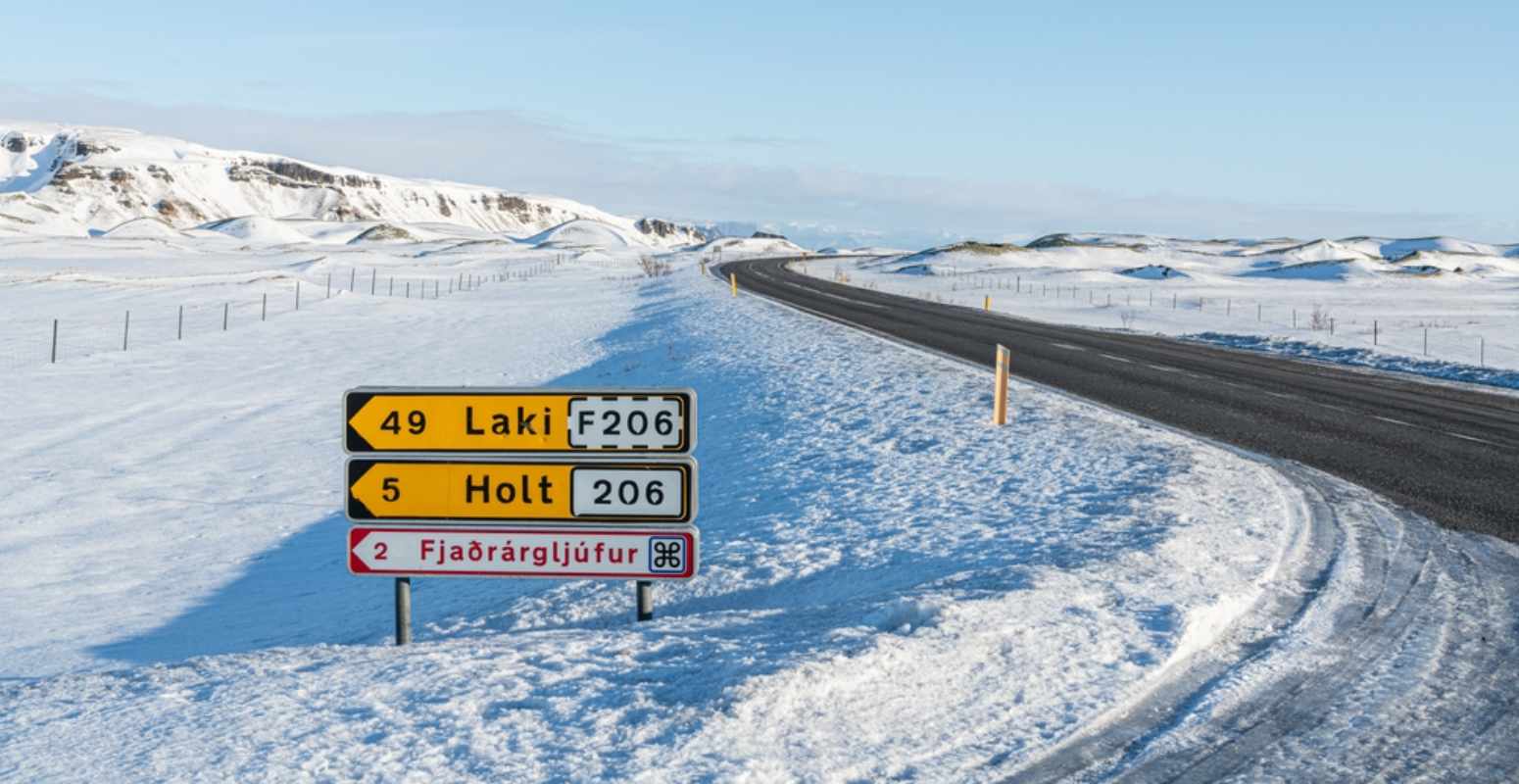
These roads are typically closed due to snow and unsafe river crossings; even when open in the summer, they require a suitable 4x4 and confidence in tough driving conditions
What Makes Driving in Iceland Different from Other Countries
Driving in Iceland may actually feel a bit familiar at first. The roadways aren’t much different from what you would find in North America or other parts of Europe, although there may be more roundabouts and fewer stoplights or stop signs than you’re used to. However, certain conditions in Iceland can make driving different.
In Iceland, you’ll find:
- Rapid weather changes: Conditions can shift dramatically within a matter of minutes. We had mornings that started out sunny and turned into heavy rain and wind after driving for just an hour, so we quickly learned not to trust the skies. Forecasts in Iceland can be helpful, but they aren’t always reliable, even by the hour.
- Gravel roads (even on popular routes): Not all roads are paved. You can often drive on gravel stretches with less traction and an increased risk of windshield damage due to loose stones, especially when passing or following another vehicle.
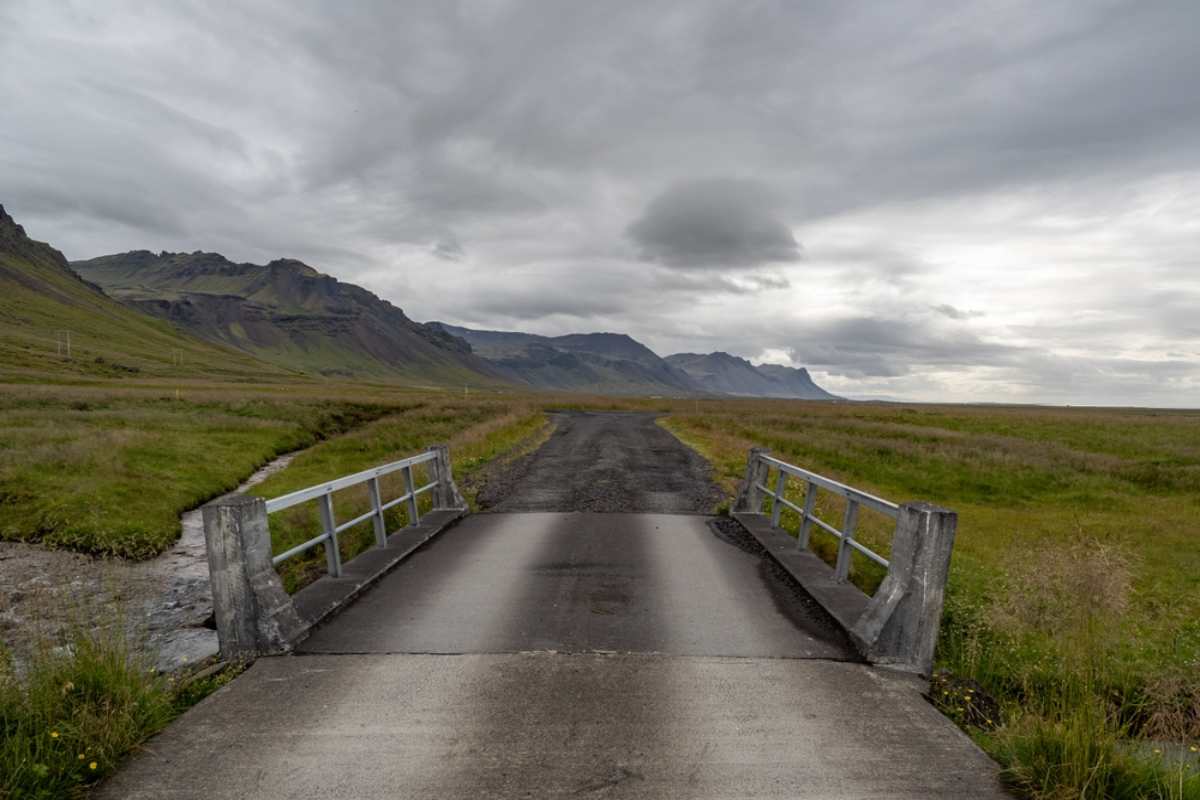
- One-lane bridges: Even on the Ring Road, you may encounter one-lane bridges. The driver who arrives first gets the right-of-way. These bridges can be intimidating at first, especially if someone is driving the other direction.
- Narrow rural roads: Outside the city and larger towns, many roads are narrower than you may be used to. There are limited shoulders and almost no room for error.
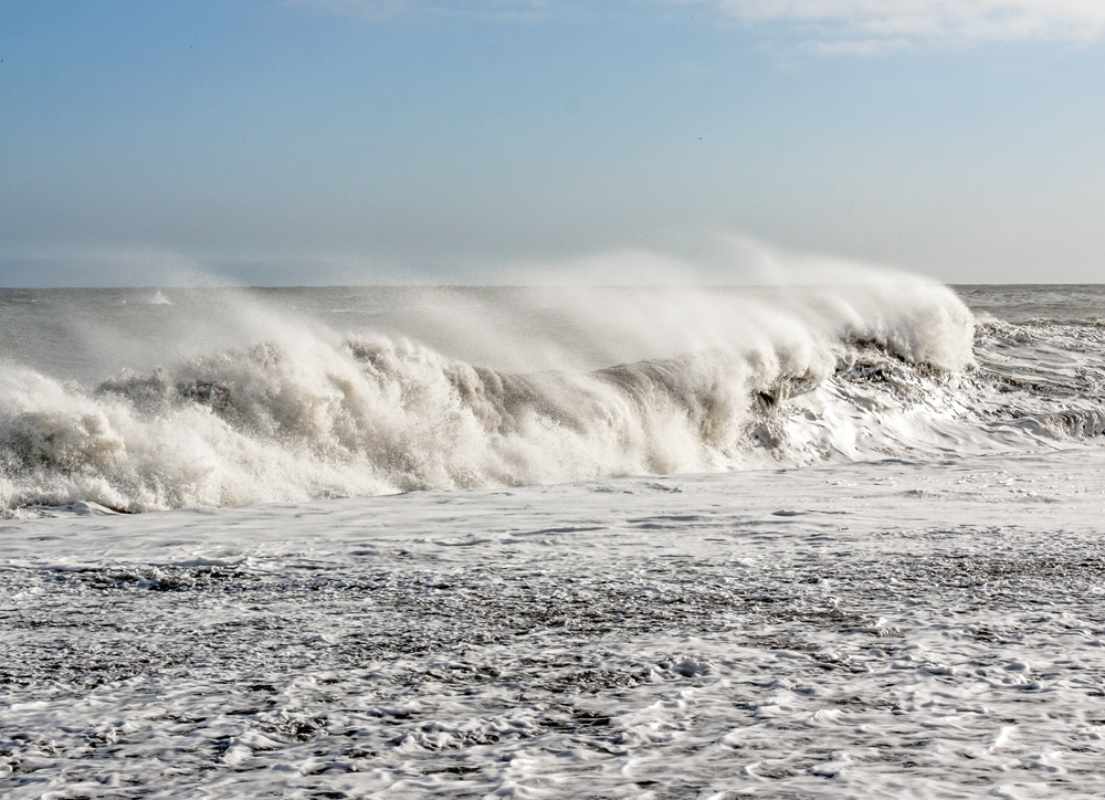
- Strong winds: Iceland’s winds are much stronger than in other parts of the world. They can push cars sideways, make steering difficult, and even bend car doors beyond their hinges if you aren’t careful when opening them. At one point, we had to brace ourselves just to open the car door. After that, we always checked the wind direction before parking.
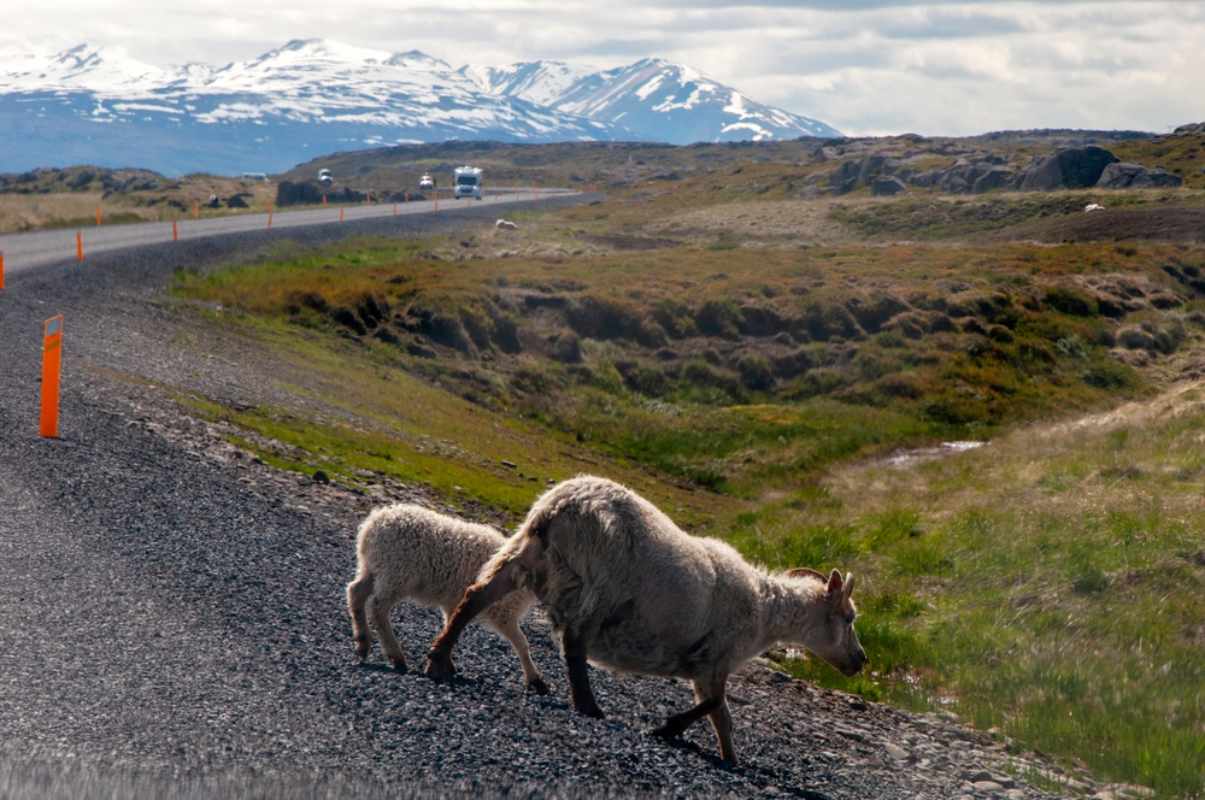
- Free-roaming livestock: It isn’t unusual to encounter sheep on or near the roads. Drivers are expected to slow down and give them space in case they dart into the road.
- Scenery distractions: Everywhere you look, you’ll see waterfalls, glaciers, volcanoes, and other amazing sights. Never take your eyes off the road, and don’t randomly stop on the road to take pictures.
All of the above factors make driving in Iceland a unique experience. Even if there’s less traffic overall, care and attention are required.
Safe Conditions by Season
Self-drive safety in Iceland depends on the season you travel. Some are easier than others, and a lot depends on your personal driving experience. For instance, if you’re from a place that gets little to no snow, you won’t feel comfortable driving in Iceland’s winter weather conditions.
Summer (June-August)
How it feels:
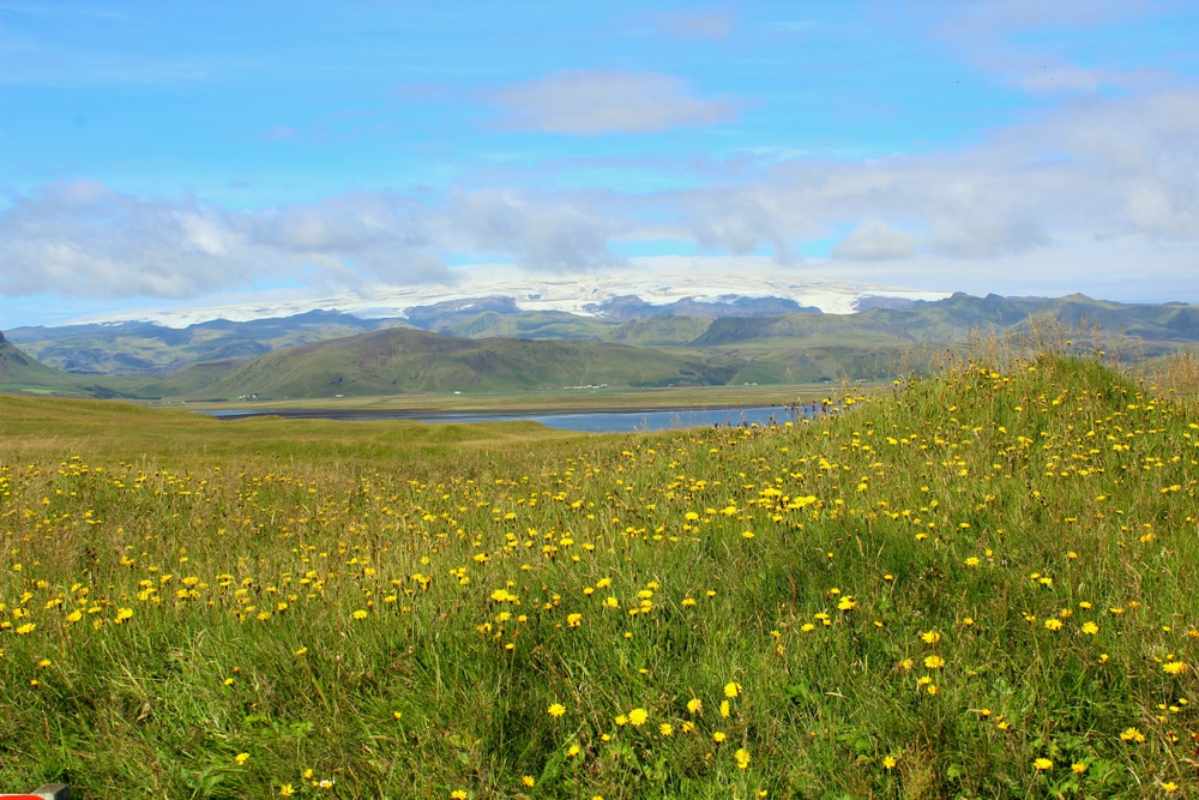
The easiest and safest time to drive in Iceland. Roads are mostly clear, visibility is excellent, and you’ll have plenty of daylight to experience the country.
What changes fast:
Rain and wind can roll in quickly, but conditions are rarely dangerous on the main roads.
Who it suits:
First-time visitors, nervous drivers, and anyone planning a full Ring Road trip.
Biggest safety limitation:
Crowds, distracted driving due to the scenery, and occasional strong winds.
Good for first-timers?
Yes, this is the best season for first-time visitors.
Fall (September-October)
How it feels:
A transition period that’s still manageable, but less predictable than summer.
What changes fast:
Temperatures drop quickly, daylight hours reduce, and early snow and ice can appear with little to no warning.
Who it suits:
Travelers with some driving confidence who want fewer crowds and fall colors.
Biggest safety limitation:
Sudden shifts into winter-like conditions, especially in the north and inland areas.
Good for first-timers?
Yes, but caution, flexible plans, and weather awareness are required.
Winter (November-March)
How it feels:
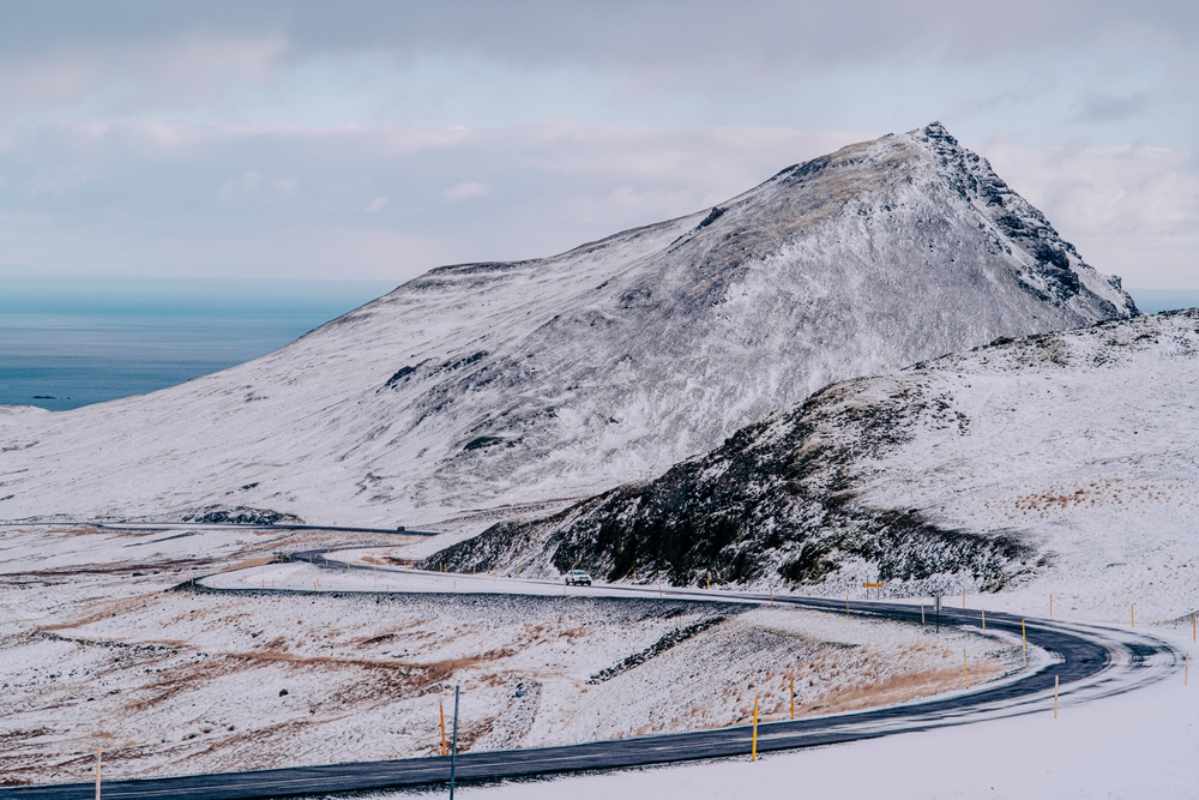
The most challenging and least forgiving season for driving. Conditions can be severe.
What changes fast:
Snowstorms, icy roads, high winds, and near-whiteout visibility can develop quickly. Daylight is very limited.
Who it suits:
Experienced winter drivers comfortable with ice, snow, and low visibility.
Biggest safety limitation:
Road closures, hazardous driving conditions, and rapidly changing weather.
Good for first-timers?
Generally no, unless you’re sticking to short routes near major towns and monitoring conditions closely.
Spring (April-May)
How it feels:
Similar to fall: improving conditions but still unpredictable.
What changes fast:
Snowmelt, lingering ice, and occasional late snowstorms. Roads can be wet, muddy, and partially icy.
Who it suits:
Flexible travelers who don’t mind mixed conditions and fewer crowds.
Biggest safety limitation:
Unpredictability: winter conditions can still happen, especially in early spring.
Good for first-timers?
Sometimes. Late May is easier than April, but caution is needed in both months.
The Biggest Hazards to Understand Before You Drive
Despite being straightforward to drive in Iceland, there are certain hazards you should be aware of that you may not find in your home country. Knowing what these challenges are will guide you in deciding whether you are comfortable driving in these conditions.
Changing Weather and Visibility
Weather in Iceland can change quickly, shifting from clear skies to rain, fog, or snow within minutes, reducing visibility.
Key tip: Check weather conditions often and adjust your travel plans accordingly. Don’t stick to a rigid itinerary.
Gravel Road Transitions
Icelandic roads often shift suddenly from paved to gravel, reducing traction and increasing stopping distance.
Key tip: Slow down ahead of time if you see a surface change, and keep your distance from other vehicles.
One-Lane Bridges
In Iceland, one-lane bridges are more common than you think, especially in rural areas. Whoever arrives at the bridge first gets priority.
Key tip: Approach slowly, look ahead, and never assume the other driver will stop.
Strong Wind and Car Doors
The strong winds in Iceland can rip car doors off their hinges or bend them backward. Sudden gusts can push your vehicle sideways on the road.
Key tip: Park into the wind when possible, and hold your doors firmly when opening and closing them. Hold the steering wheel firmly in exposed areas.
Fatigue After Arrival
Many visitors make the mistake of hitting the road and expecting to drive long distances right away, despite fatigue. On our first trip, we made the mistake of picking up the rental car on arrival and immediately trying to cover as much ground as possible. We don’t make that mistake anymore; we plan an easy first day.
Key tip: Rest before long drives, and plan for a short arrival day instead of covering large distances.
Livestock on the Road
In summer, livestock are commonly on or near the roads, especially sheep. I recall driving down a rural road one afternoon with one sheep on the left and two babies on the right. Just as we approached, the babies darted into the road. It’s a good thing we were prepared for this possibility.
Key tip: Slow down in rural areas and be prepared to stop.
Stopping on the Roadside for Photos
Iceland’s roads are narrow with almost no shoulder, which means it isn’t safe to stop just anywhere along the road. We quickly realized that most of the best stops have safe roadside pull-offs within just a few minutes, so there’s no need to rush to pull over. It’s not worth the risk.
Key tip: Only stop in designated pull-offs, never in the middle of the road or where visibility is restricted.
What to Check Before Driving Each Day in Iceland
Driving in Iceland isn’t just about having the experience or skills to drive safely in varying conditions. You must check official conditions each morning and again throughout the day. We completely rerouted our South Coast itinerary and skipped waterfalls after checking the conditions. In the end, flexibility saved the trip, and we still had a great time.
Here’s a simple process to follow each day:
Weather Forecast
Check the detailed weather forecast on vedur.is, but don’t just look at the temperature. Note wind speed, precipitation, and visibility. Identify any weather warnings.
- Why it matters: Wind and sudden storms are more dangerous than cold temperatures alone.
- Pro tip: Recheck midday, especially if you’re covering long distances.
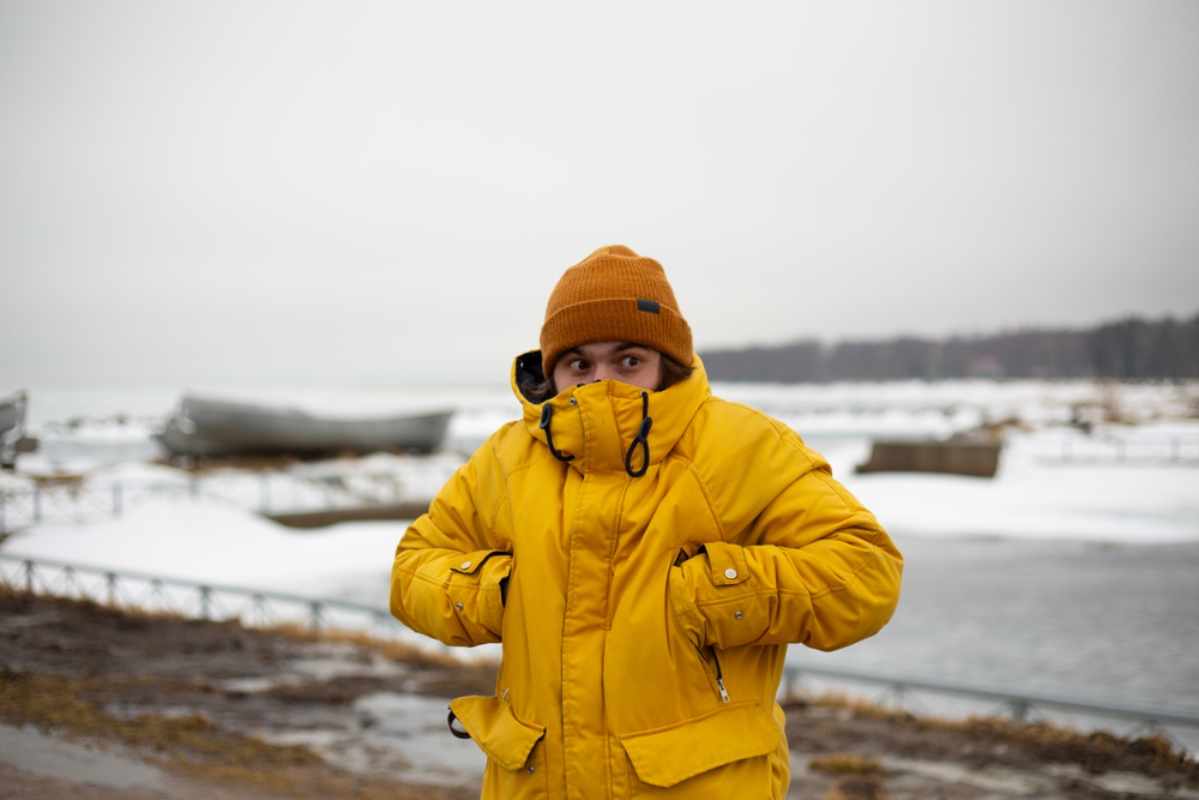
Road Conditions
Don’t rely solely on Google Maps for your route planning. Check road.is for road conditions in Iceland today. You will see real-time current conditions in an easy-to-understand color-coded map.
- Why it matters: Iceland road conditions change quickly. A road marked “impassable” will likely have snow, ice, or other dangerous conditions.
- Pro tip: Conditions vary dramatically by region; don’t assume consistency.
Closures and Alerts
SafeTravel.is is your best source for monitoring closures, weather alerts, and other safety alerts.
- Why it matters: Roads, especially mountain passes and F-roads, can close unexpectedly due to weather.
- Pro tip: Sign up for alerts or check the map before departure.
Route Realism
If you’re plotting your route based on Google Maps alone, you could be making a big mistake. The times stated don’t always align with conditions, and closures aren’t always up-to-date. Each day, ask yourself if the planned distance is feasible with current weather and daylight hours.
- Why it matters: Travel times are often longer than they appear on navigation apps.
- Pro tip: Build buffer time into your itinerary to account for extra stops or slow driving.
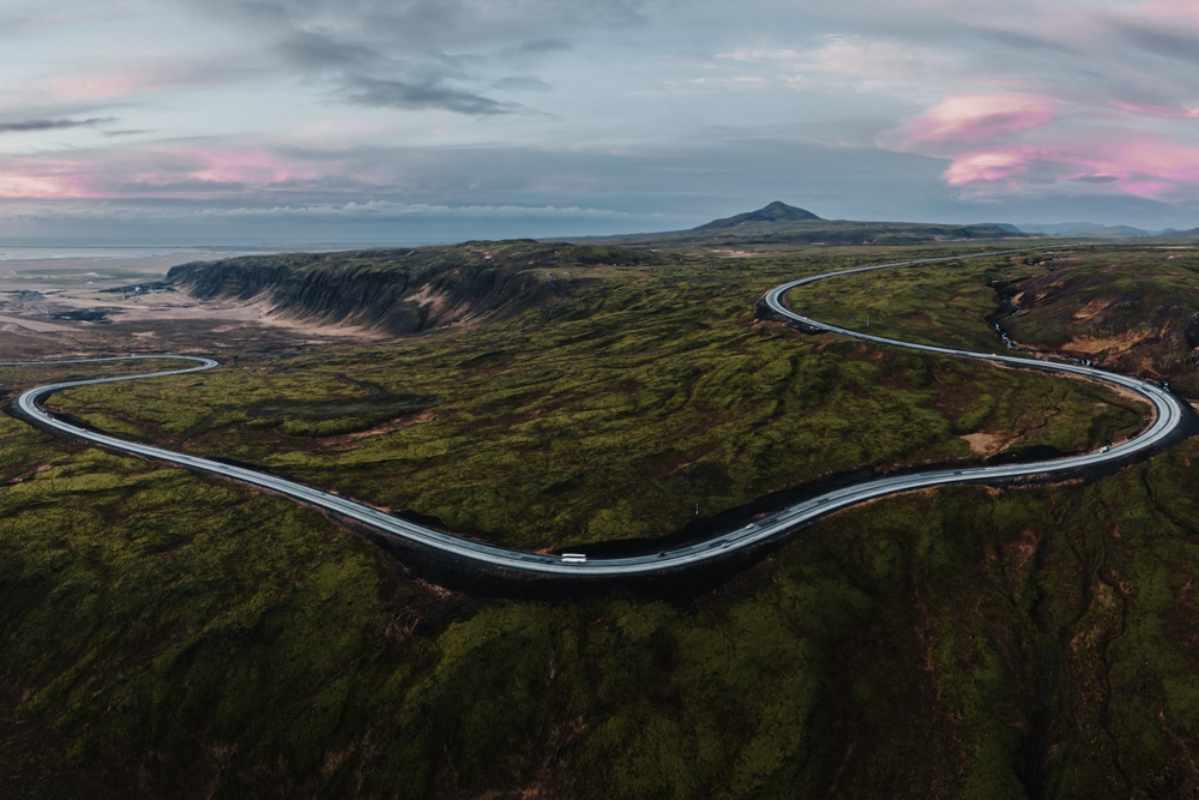
Fatigue Check
Be honest with yourself about your energy level. This is especially important on your arrival day and on days when you are planning to drive longer distances.
- Why it matters: Fatigue is a major risk factor and a leading cause of accidents among tourists, especially with jet lag.
- Pro tip: Shorten your route if you’re feeling tired. Slow travel lets you enjoy more.
Backup Plan
Always have a Plan B for your Iceland trip. Changing conditions often require adjusting your plans accordingly. For each day, identify alternative routes, nearby towns, and places to stay if conditions don’t allow you to reach your next accommodations.
- Why it matters: Flexibility is essential to account for weather disruptions.
- Pro tip: Keep your fuel tank full before entering remote areas to avoid getting into trouble.
When Not to Drive in Iceland
While driving in Iceland is often manageable, there are specific situations when it’s just not safe to drive. Sometimes, it’s the safest decision not to drive, no matter how much experience you have. Here are examples of when you should choose not to drive:
- You’re too tired after an overnight flight.
Jet lag and fatigue significantly reduce your reaction time, putting you and everyone on the road at risk.
- A road is closed.
Road closures are not negotiable; they mean that road conditions are not suitable for driving.
- Conditions are worsening.
If weather alerts show increasing wind, snow, or poor visibility, change your plans immediately, even if the weather looks okay to you.
- You’re inexperienced with snow or ice.
Winter driving in Iceland is significantly more demanding than in many countries.
- You’re unsure about a river crossing.
F-roads in the Highlands often include unbridged rivers that can be dangerous or impassable.
- Your route depends on F-roads that aren’t open.
These roads are closed most of the year and are only open in the summer when conditions are favorable.
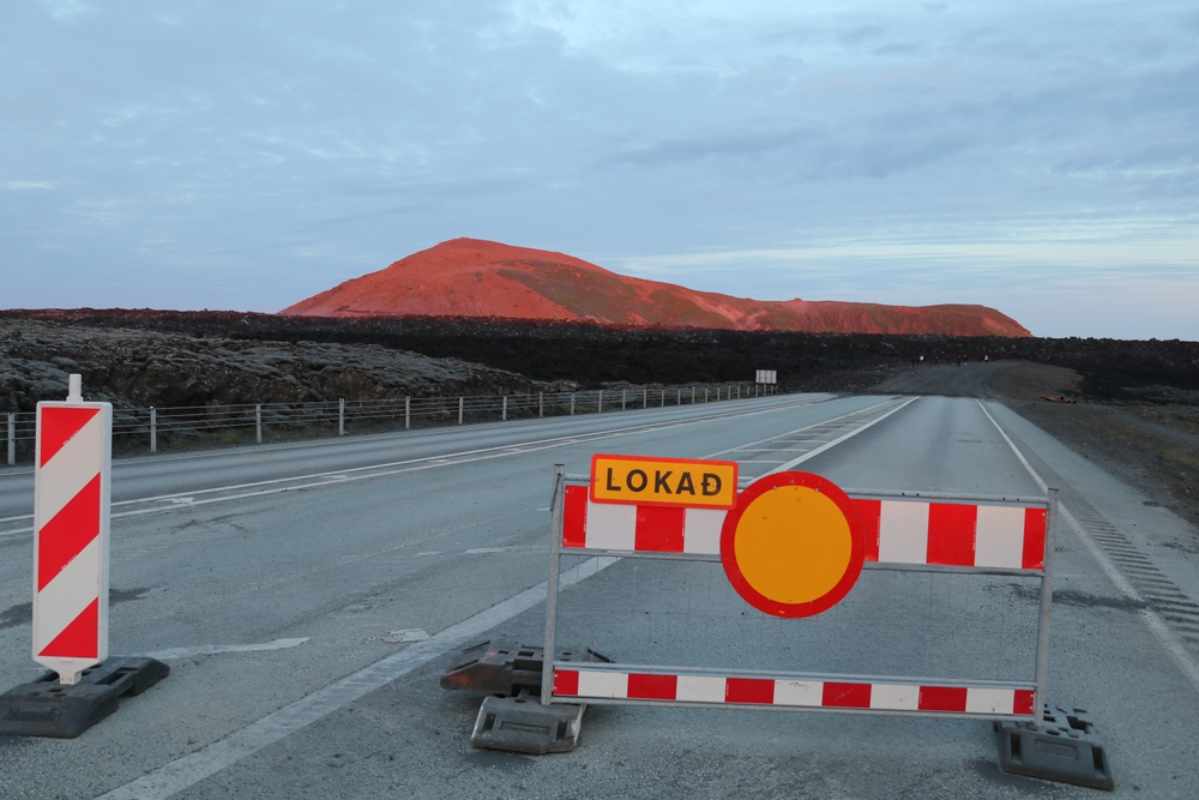
In Iceland, choosing not to drive in certain situations is the safest option. If conditions, your confidence, or official guidance say no, listen; don’t think you know better than official sources.
F-Roads, Highlands, and River Crossings
Driving into the Highlands on the F-roads in Iceland is an adventurous experience and a highlight of your trip. However, these routes come with the highest risks. They require careful judgment, the right setup, and full confidence. Before committing to the F-roads, there are a few things you should know about driving them:
- Not all 4WD vehicles are suitable. A 4x4 is required for F-roads, but not all of them are equal. Smaller SUVs may struggle with the rough terrain, deep gravel, and river crossings.
- Key point: Ground clearance and driver experience matter just as much as having four-wheel drive.
- F-roads are closed most of the year. Typically, they’re only open from mid-June or July through early September, depending on conditions.
- Key point: Outside this window, roads are closed due to snow, mud, and other unsafe conditions, even if they look passable at first glance.
- River crossing damage is not covered by insurance. Most Highland routes have unbridged river crossings. However, even with the highest level of insurance, water damage to the engine or electrical systems is not covered.
- Key point: This is one of the most expensive mistakes you can make.
- If you’re unsure, turn around. River depth and currents can change daily or even hourly. There’s no shame in turning around if you’re not sure or don’t feel confident.
- Key point: Experienced drivers skip crossings they can’t do confidently.
- Off-road driving is illegal. Driving outside marked roadways, no matter how minor, can cause significant environmental damage. Doing so results in heavy fines.
-
-
- Key point: Always stay on designated roads and tracks, even when conditions are rough.
-
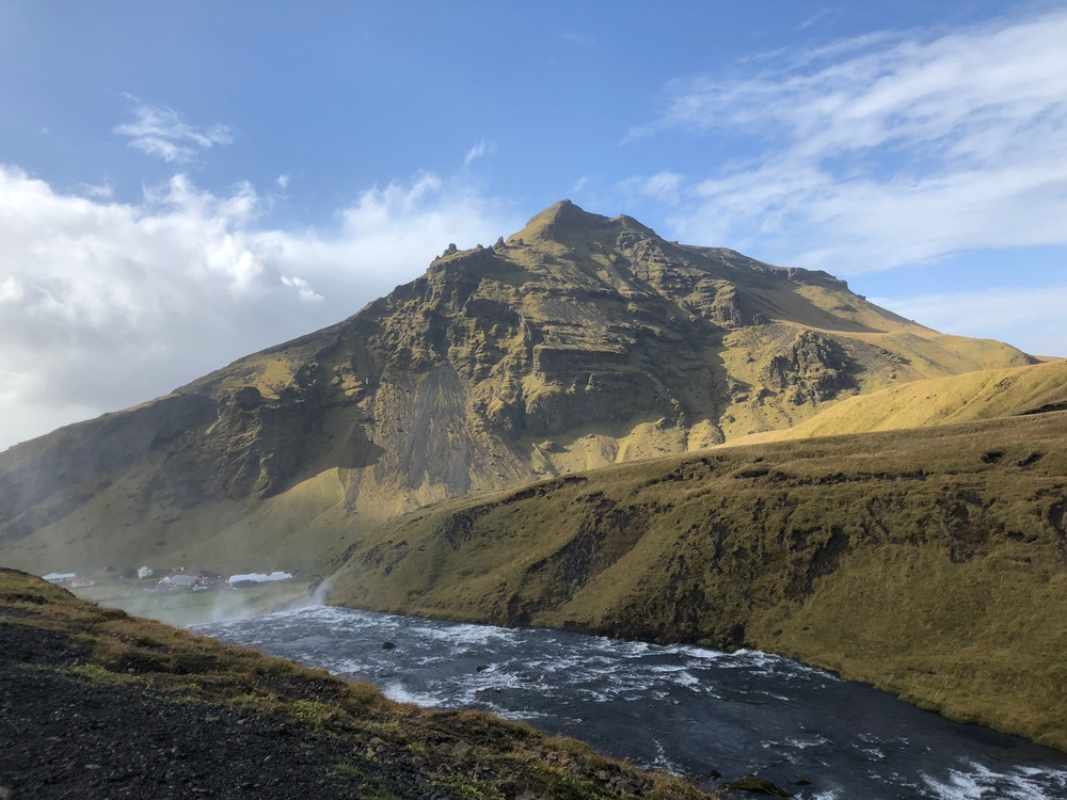
F-roads and the Highlands hold some of Iceland’s most incredible views, but they’re not casual drives. If you don’t have the experience or are simply feeling unsure, it’s best to either stick to the main roads or book a guided tour for the Highlands. When driving in the Highlands, we once turned back from a river crossing because something just didn’t feel right about it. Looking back, it’s always the best decision if you’re unsure at all.
Best Conditions for First-Time Self-Drive Travelers
For first-time drivers, the absolute easiest and safest window for driving in Iceland is from mid-June through early September. This period stands out because:
- Roads are their most accessible. Main routes like the Ring Road and Golden Circle are fully open without snow and ice. Even some F-roads begin to open in late June.
- Weather is more stable. While the weather can always change quickly, summer is far less likely to experience severe storms, icy roads, or whiteout conditions compared to other times of year.
- Nearly 24 hours of daylight. Long daylight hours reduce pressure on your schedule to make driving less stressful. You won’t be rushing to reach destinations before dark.
- Simpler logistics and navigation. Clear roads, better visibility, and open services make trip planning easier and more flexible.
- More margin for error. If your plans change due to weather or timing, you can more easily adapt safely than in the winter or shoulder seasons.
Summer removes most of the major risk factors of driving in Iceland, so you can focus on mastering Iceland’s gravel roads and windy conditions without adding other factors. You won’t have to deal with slippery roadways, darkness, or frequent road closures.
Final Recommendation: When Is It Safest to Drive in Iceland?
If you’re interested in the safest time to drive in Iceland, timing matters just as much as your skill and experience. Here’s a clear breakdown of when to drive:
|
Scenario |
Safest Timing |
Why |
|
Safest overall for first-timers |
Mid-June - Early September |
Best combination of clear roads, long daylight hours, and fewer hazardous conditions |
|
Safest for a Ring Road trip |
Late June - August |
Full access to the entire route with minimal risk of closures or severe weather |
|
Safest if you hate stress |
July - August |
Maximum daylight, most stable weather, and easiest driving conditions |
|
Safest if you still want shoulder-season value |
Late May or Early September |
Fewer crowds and lower prices, but still relatively manageable conditions with caution |
|
Least advisable for inexperienced drivers |
November - March |
Snow, ice, strong winds, limited daylight, and frequent road challenges |
In short:
- Choose summer if safety and simplicity are your priorities
- Consider late spring or early fall if you’re flexible and comfortable adapting to changing conditions
- Avoid winter driving unless you have good experience and are prepared for rapidly changing, sometimes severe weather
Enjoying the safest trip isn’t just about when you go; it’s about choosing conditions that match your comfort level and experience to reduce your stress.
FAQ
Is driving in Iceland safe for tourists?
Yes, driving in Iceland is generally safe for tourists, especially on the main routes in good conditions. However, safety depends heavily on the season, weather, and driving experience.
Is it safe to drive in Iceland in winter?
From our experience, the difference between a stressful trip and a smooth one came down to how often we checked conditions, not solely on driving skill. However, good winter driving experience is a must for this time of year. Conditions change quickly, and road closures are common.
What road conditions are most dangerous in Iceland?
The most hazardous conditions include black ice, strong winds, low visibility due to fog or snow, and unbridged river crossings in the Highlands.
Is summer the safest time to drive in Iceland?
Yes, summer is generally the safest and easiest period to drive due to open roads, stable weather conditions, and long daylight hours.
Are shoulder seasons easier than winter?
Yes, May and September are usually easier months for driving than winter, but conditions can still be unpredictable. Snow, ice, and fast-changing weather can create poor driving conditions.
When do F-roads usually open?
F-roads into the Highlands generally open starting in late June or July and remain open until mid-September. Specific dates depend on snow, spring thawing, and other conditions.
Do I need a 4x4 to drive safely in Iceland?
If you’re staying on the main roads in the summer, you won’t need a 4x4. However, a 4x4 is required for driving on F-roads and is strongly recommended in the winter or for rural areas for better stability and safety.
What should I check before driving each day?
Always check:
- Weather forecast
- Road conditions
- Closures and alerts
- Route feasibility
- Your fatigue level
- Backup plans


