










 English
 Español
 Français
 Italiano
 Deutsch
 Dansk
Dansk 日本語
日本語 Nederlands
 Polski
 Svenska
A trip to Iceland typically costs between $1500 and more than $5000 per person for a 5-7 day trip, but your final price depends heavily on how you travel. Understanding your Iceland trip cost helps you set a realistic budget and choose the right travel style for you.
How expensive is Iceland really? Iceland isn’t cheap, but it is predictable if you plan it right. We quickly realized that “expensive” doesn’t always mean “unexpected.” Most costs are consistent, from rental cars to basic accommodations, which actually makes planning easier once you’re there. Let’s break down the Iceland vacation costs by travel style to help you get a clearer picture of your travel budget expectations.
So, How Much Does a Trip to Iceland Cost?
A trip to Iceland typically costs between $1500 and $5000 per person for 5-7 days, depending on how you travel. For example, you can expect:
- Budget: $1500-$2200 USD
- Mid-range: $2200-$3500 USD
- Luxury: $3500-$5000+ USD
Your final cost will vary depending on factors like the season, transportation options, accommodation style, food choices, and paid activities like glacier hikes, ice caves, and Northern Lights tours.
Quick Answer: Iceland Trip Cost by Travel Style
If you’re wondering, “How much is a trip to Iceland?”, here’s what to expect to pay per person for a 5-7 day trip based on your travel style:

Budget Traveler
$1500-$2200 USD
Hostels or camping, public buses or budget car rental, groceries plus occasional cheap meals, and a few or no paid attractions.
Mid-Range Traveler
$2200-$3500 USD
Guesthouses or 3-star hotels, rental car, mix of dining out and self-catering, and several guided activities.
Comfort/Luxury Traveler
$3500-$5000+ USD
4-star hotels or boutique stays, guided tours or private transport, dining out regularly, and premium excursions.
Couple vs. Solo
Couples can save 10-25% per person by splitting the cost of accommodations and car rentals. Solo travelers tend to pay more due to single supplements and full vehicle costs.
Self-Drive vs. Base in Reykjavík
- Self-drive: Often cheaper and more flexible overall, especially for two or more people. Expect $80-$150 per day for a car plus fuel.
- Base in Reykjavík: Higher tour costs (about $80-$200 per day per activity), but no driving stress. Good for shorter stays.
On our own trip, we naturally landed in the mid-range category without really trying. By mixing guesthouses with a couple of paid excursions, and more hot dog stops than expected, we kept our costs reasonable.
What Drives the Cost of a Trip to Iceland the Most
Certain factors can impact the cost of your trip to Iceland more than others. If you change only one thing, these Iceland road trip budget factors have the biggest impact in order: season, accommodation, transport, and activities. Most people don’t overspend on one thing; they overspend a little on everything.
Season
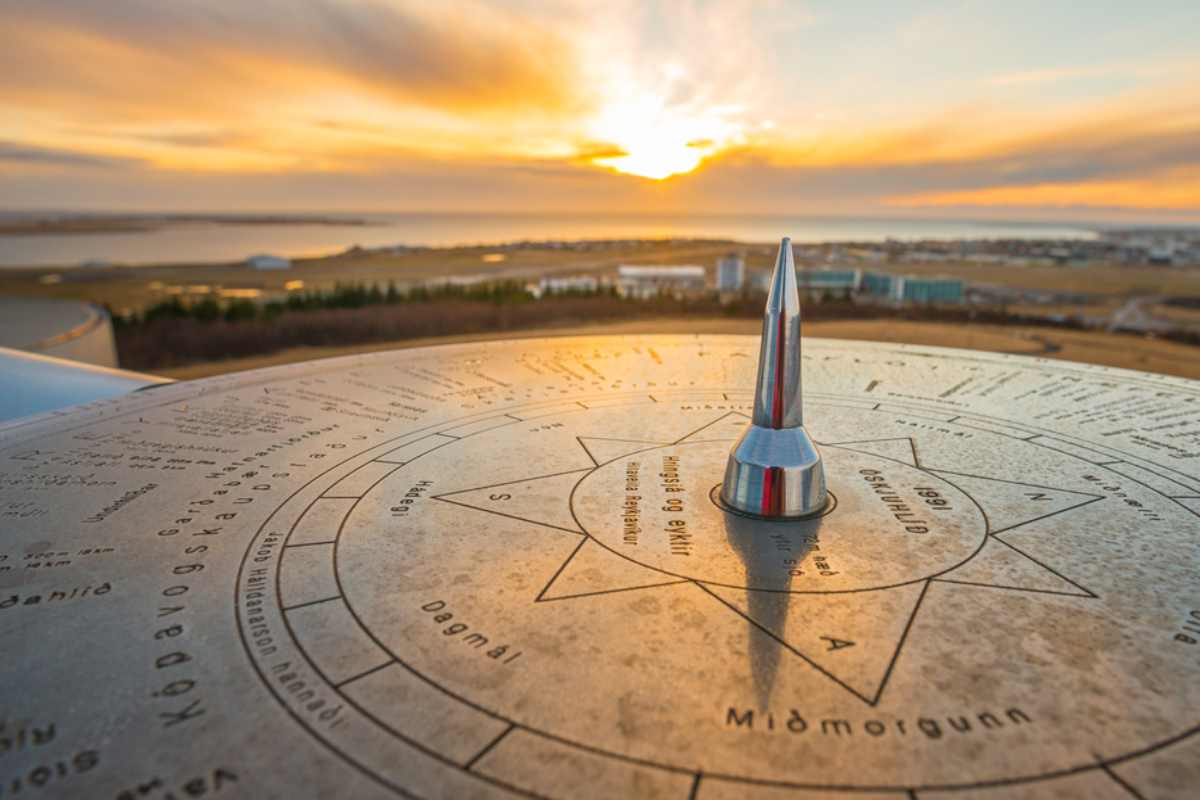
This is usually the biggest deciding factor in how much you will spend. Here’s what to expect:
- Summer (June-August): Peak prices for flights, hotels, and car rentals. Expect 20-40% higher costs.
- Shoulder Seasons (May, September): A better balance of price and weather.
- Winter (October-April): Cheapest overall, but fewer daylight hours and limited access to some locations.
Even in peak season, one thing that stood out was finding the quiet moments at major sites like Skógafoss in the early mornings or late evenings before or after the tour buses. However, on our winter trips, more patience was required. There were days when it quickly became clear that adjustments were necessary due to windy conditions or snowstorms rather than distance.
Accommodation Type
Where you sleep each night can make or break your budget. Remember, prices can spike in more popular areas like Reykjavík and the South Coast, even for low-end accommodations. Here are the most common choices and what to expect:
- Hostels/Camping: Lowest cost
- Guesthouses/Airbnbs: Mid-range value
- Hotels/Boutique Stays: Fastest way to increase your total cost
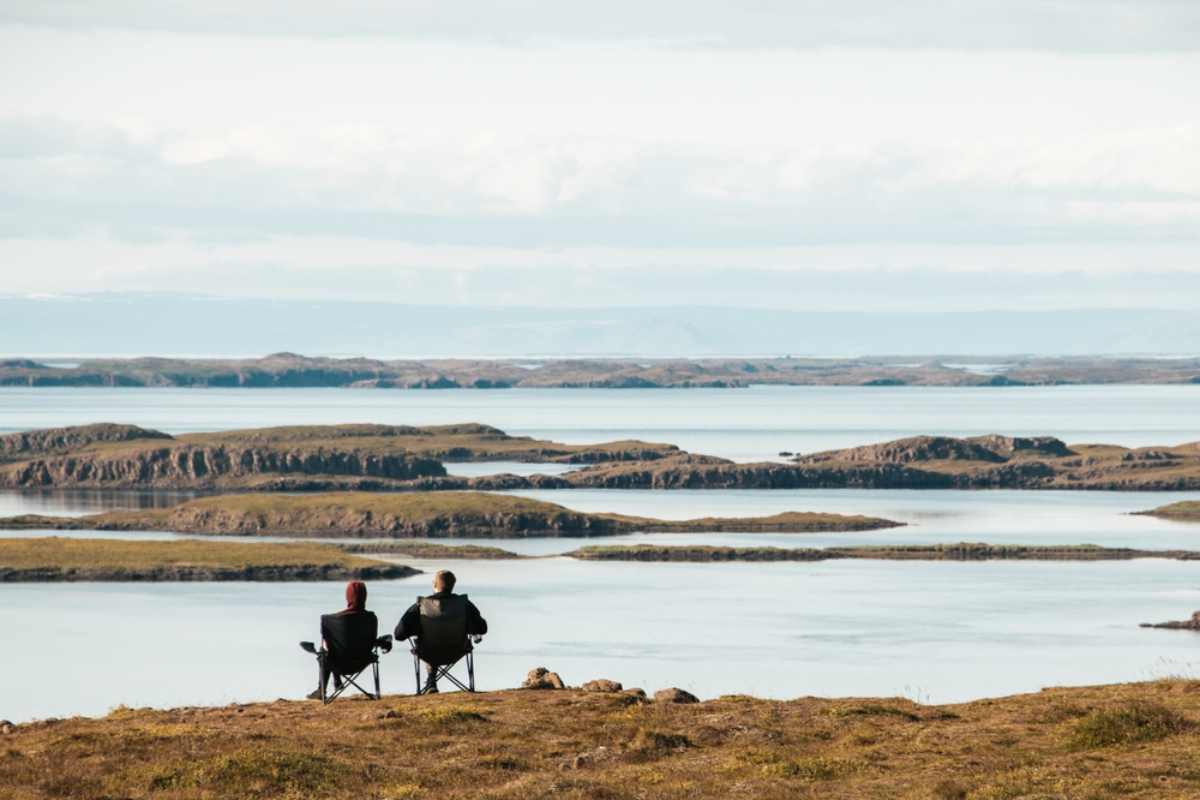
One thing that surprised us was how much personality even the most basic guesthouses had. Many felt more like staying in someone’s home than a traditional hotel.
Transportation Style
How you get around can play a significant role in your budget.
- Rental Car (Self-Drive): Best value for two or more people; fuel and insurance add up
- Guided Tours: Easier, but can cost $80-$200+ per person per day
- Public Transport: Cheapest, but limited for sightseeing
We found ourselves stopping far more often than planned, sometimes just for a random waterfall along the road that wasn’t on our list. That flexibility is really where the value of self-driving shows up.
Food Choices
Food in Iceland can be expensive, especially if you’re eating out daily. It can add up quickly.
- Groceries and Self-Catering: Most affordable
- Casual Dining (Hot Dogs, Cafés, etc.): Moderate
- Restaurants: $25-$50+ per meal per person
Even choosing a mix of grocery meals and restaurants can significantly reduce your overall costs. Groceries became part of our daily rhythm, especially for breakfast and road snacks, which helped balance out the occasional sit-down meal.
Tours and Paid Activities
Taking guided tours and choosing paid activities can quickly inflate your budget, but some of these experiences require a guide.
- Free/Low Cost: Waterfalls, national parks, and natural sites
- Paid Tours: Glacier hikes, ice caves, whale watching ($100-$300 per person)
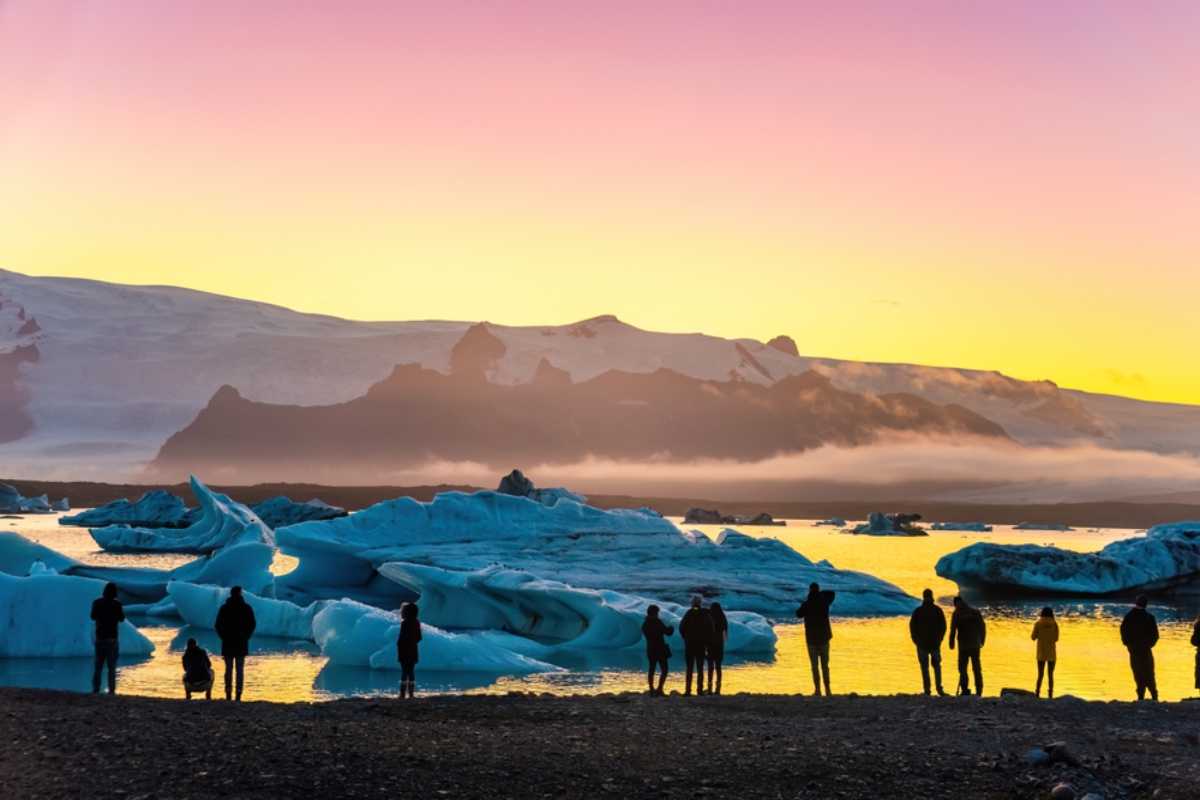
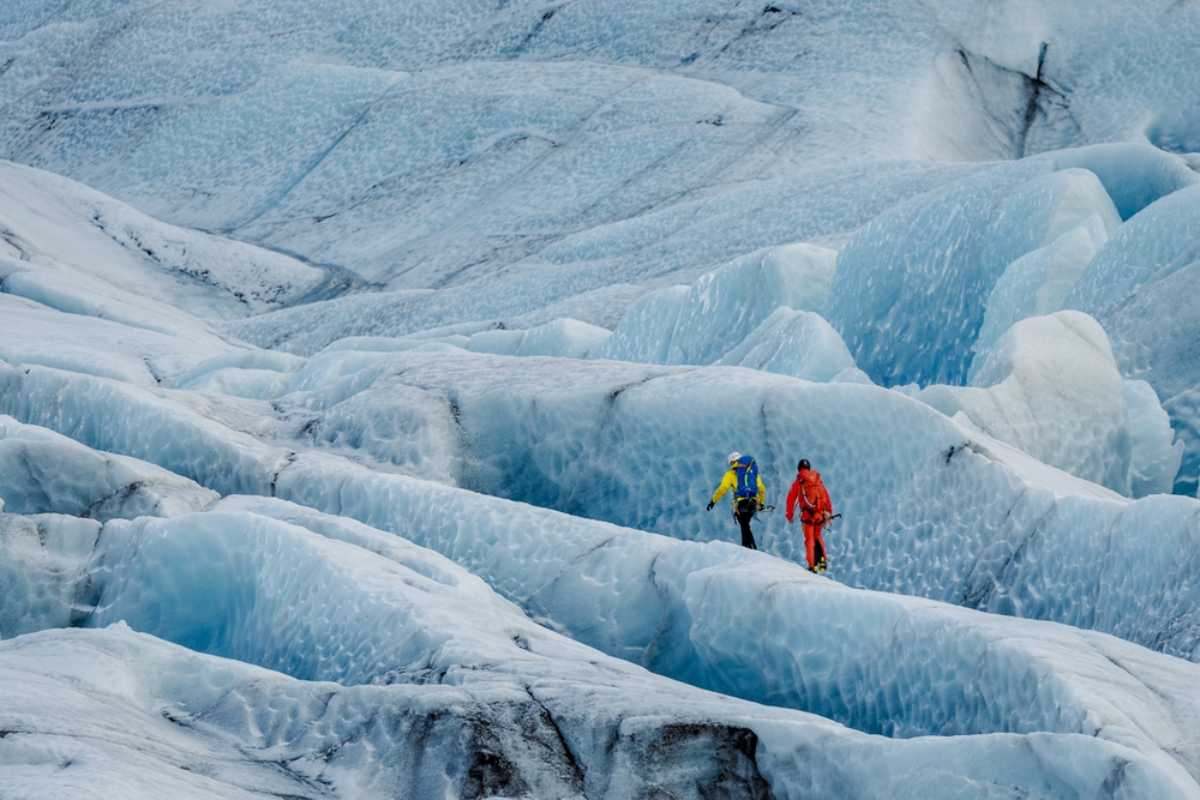
Choosing just one or two premium experiences instead of focusing on these activities can cut your budget by hundreds of dollars without sacrificing the trip you want. For us, the glacier hike was one of the few experiences we agreed was absolutely worth the cost; it completely changed our sense of scale for the landscape.
Group Size/Sharing Costs
Traveling with others instead of going solo will reduce your per-person costs, allowing you to enjoy a higher-end trip without paying more.
- Splitting accommodation and car rental costs leads to significant savings
- Solo travelers often pay more for single room rates and full transport costs
Average Iceland Trip Cost by Category
Your total cost will vary, depending on the individual choices you make in each category. Below, you will find the average per-person Iceland trip cost by category for a 5-7 day trip from North America. Keep in mind that prices can also vary by season, availability, and how early you book.
Flights
You can generally find flights between $400 and $1000 round trip from North America. East Coast flights tend to be cheaper, while West Coast and last-minute bookings cost more. Summer has the highest fares. While monitoring flight prices, it quickly became obvious that they fluctuated more than expected depending on how flexible our travel dates were.
Accommodation
- Budget: $40-$90 per night for hostels or camping
- Mid-Range: $120-$250 per night for guesthouses and 3-star hotels
- Luxury: $300-$600+ per night
Staying in Reykjavík or popular areas, such as the South Coast, will likely mean higher prices, especially in the summer.
Car Rental or Transport
- Rental Car: $60-$150 per day (higher in summer)
- Guided Tours: $80-$200 per day or activity
- Public Buses: $20-$60 per route (limited coverage)
Self-driving is often the best value, especially if you’re a couple or traveling in a larger group.
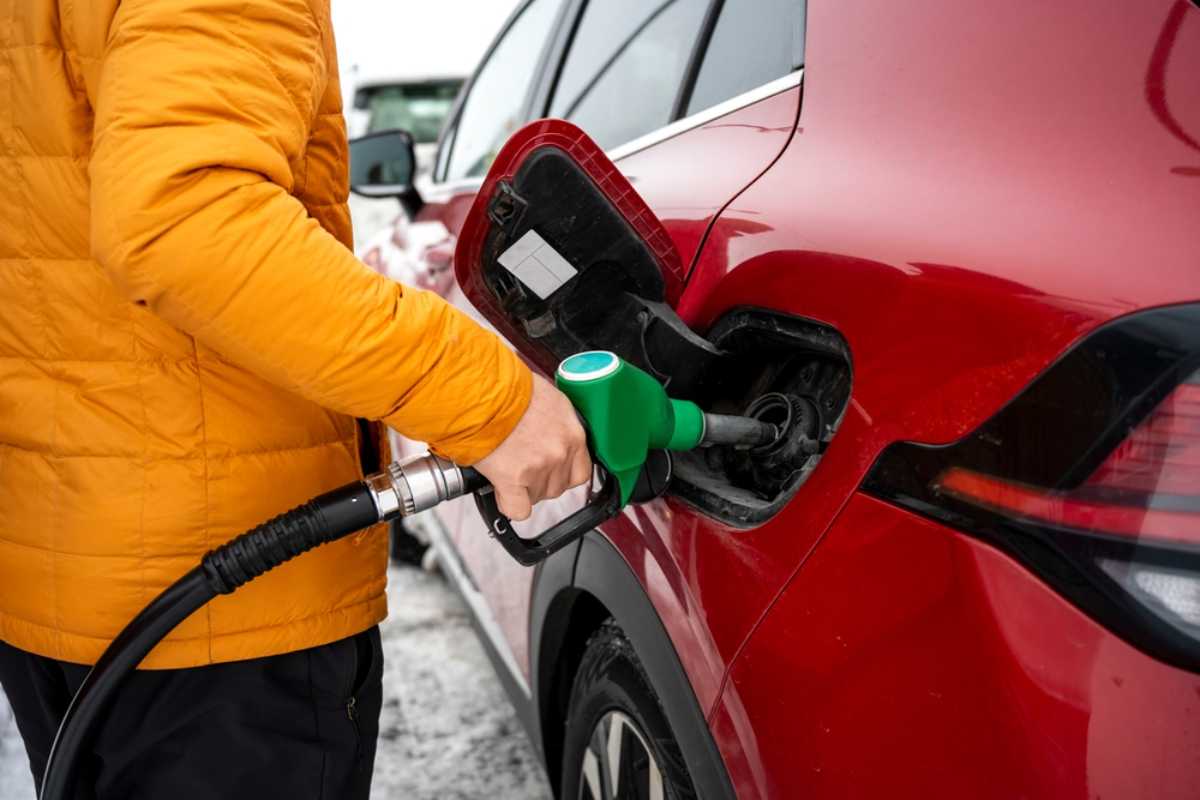
Gas and Parking
- Gas: $80-$200 total per trip, depending on distance and current fuel prices
- Parking: Free to $50 (some places have free parking, while other natural sites and cities/towns charge small parking fees)
Fuel costs weren’t extreme per tank, but they added up faster than expected on longer days along the Ring Road, especially with detours.
Food and Groceries
- Groceries: $10-$20 per person per day
- Casual Dining: $15-$25 per meal
- Restaurants: $25-$50+ per meal
Mixing groceries and self-catering with occasional casual dining or restaurants is the most cost-effective approach while trying local cuisine.
Tours and Activities
- Free Natural Attractions: Free to $8 for parking at waterfalls, national parks, and scenic routes
- Paid Tours: $100-$300 per experience (glacier hikes, ice caves, whale watching, etc.)
Most travelers spend $150-$400 total, based on how many tours or paid experiences they choose.
Miscellaneous Costs
- Travel Insurance: $40-$100
- Souvenirs: $20-$100+
- Extras (Coffee, Snacks, Small Fees): $50-$150
A typical mid-range total for a 5-7 day trip comes to around $2200-$3500 per person. This amount can be adjusted up or down based on the choices you make in each category.
Iceland Trip Cost for 5 to 7 Days
For most visitors, a 5-7-day Iceland trip cost is the most likely scenario. Below, we’ll take a closer look at the per-person cost estimates based on the typical prices for flights, accommodations, transport, food, and a few activities for visitors from North America, depending on several scenarios.
Budget Self-Drive
~$1500-$2200 per person
- Flights: $400-$800
- Accommodation: Hostels or camping ($40-$80 per night)
- Car Rental: $300-$500 per person
- Food: Groceries and occasional cheap meals ($15-$25 per day)
- Activities: Mostly free or low-cost parking with one paid experience
What surprised us was that budget trips in Iceland still involve a fair amount of driving. Days often felt more like scenic road trips with stops than traditional sightseeing. However, this is the best option if you want flexibility while keeping costs low and hitting the major natural highlights.
Mid-Range Road Trip
~$2300-$3500 per person
- Flights: $500-$1000
- Accommodations: Guesthouses or 3-star hotels ($120-$220 per night)
- Rental Car: $400-$700 per person
- Food: Mix of restaurants and groceries ($30-$60 per day)
- Activities: 2-3 paid tours (for example, glacier hike and lagoon experience)
This is the category we naturally slipped into most often, especially once we factored in a few spontaneous detours. It’s the most common travel style for visitors to Iceland. It’s comfortable, flexible, and well-balanced.
Reykjavík-Based Trip with Day Tours
~$2200-$3800 per person
- Flights: $400-$1000
- Hotel: $150-$300 per night
- Tours: $100-$200 per day (Golden Circle, South Coast, etc.)
- Food: Mostly dining out ($40-$70 per day)
Staying in Reykjavík throughout the trip is easier with no driving required, but tours can add up quickly. Costs are similar to or slightly higher than those of self-driving.
Campervan Trip
~$1800-$3000 per person
- Flights: $400-$900
- Campervan Rental: $100-$200 per day (often includes basic insurance)
- Campsites: $15-$30 per night
- Food: Mostly self-catering ($15-$30 per day)
- Gas: $100-$200

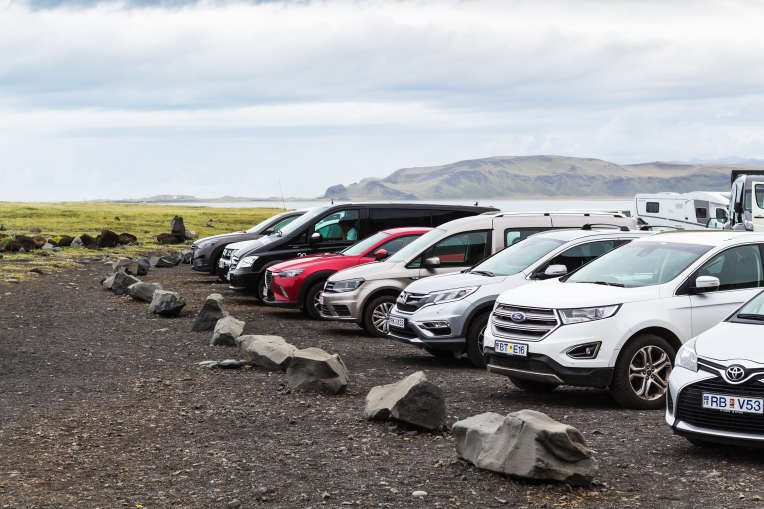
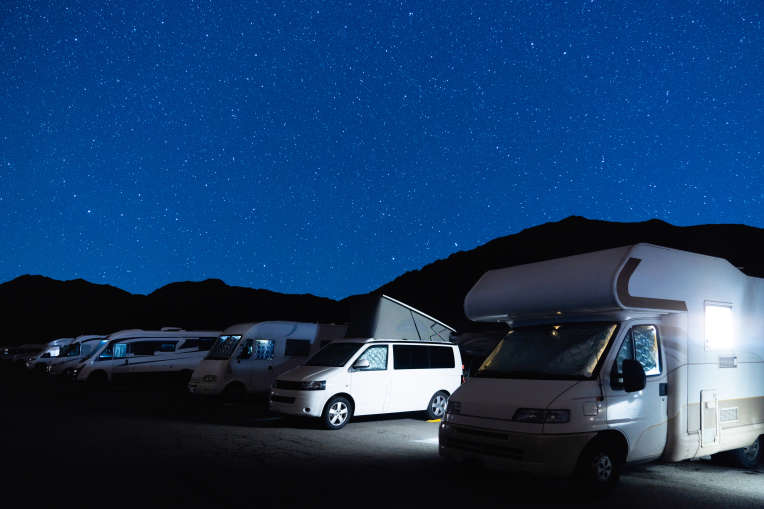
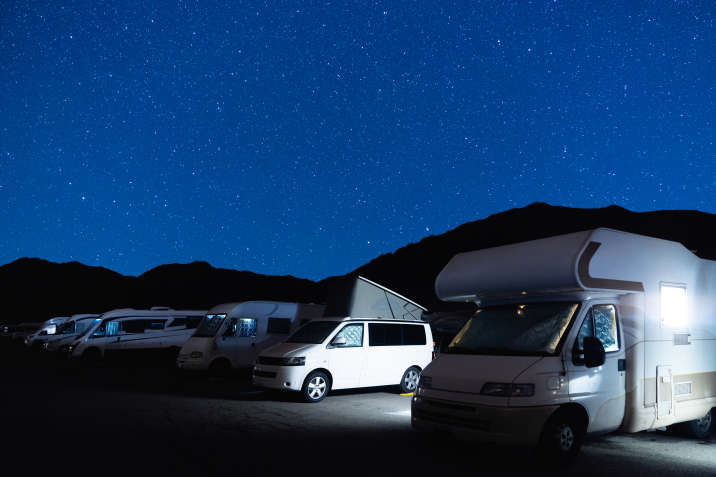
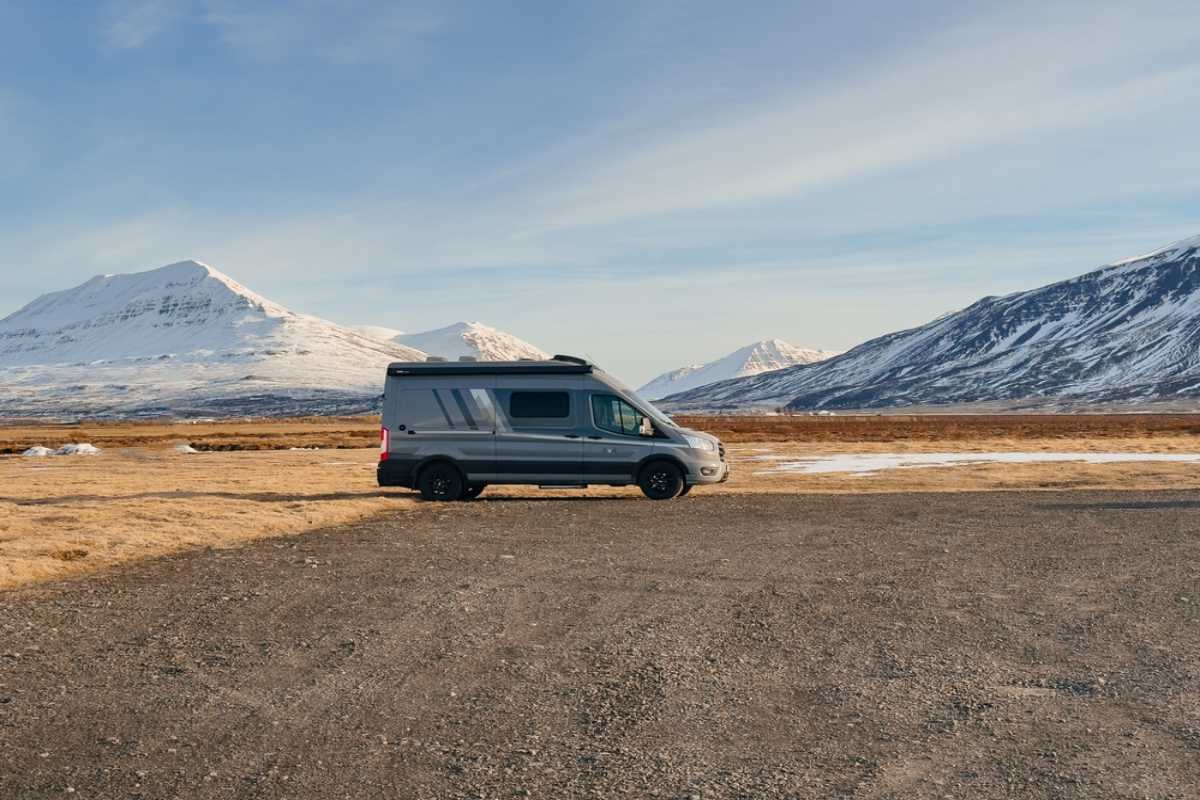
We saw campervans parked in some of the most dramatic sunrise locations, places we would have never stayed near if we were relying on hotels. A campervan trip is a high-value option that combines transportation with accommodation. It’s perfect for travelers who want more freedom than booking hotels.
Most travelers spend between $2000-$3500 per person, based on how many tours and hotel nights they include. Budget and campervan trips are often on the lower end, while those who want more tours or to stay in hotels will need a higher budget.
Iceland Trip Cost by Travel Style
If you’re deciding how to travel, not just how much to budget, it helps to compare styles directly. Let’s take a closer look at the per-person cost of a 5-7 day trip that includes flights, accommodations, transport, food, and maybe a few activities based on average prices and double occupancy.
Cheapest Realistic Way to Do Iceland
~$1400-$2000
- Budget flight and carry-on or personal item only
- Hostel dorms or camping
- Public buses or shared basic rental car
- Groceries and occasional cheap meals from hot dog stands, gas stations, or bakeries
- Mostly free or low-cost natural sights like waterfalls and national parks
This is the lowest cost you can expect from a trip to Iceland. It’s doable, but requires careful planning and some flexibility.
Mid-Range Iceland Road Trip
$2300-$3400
- Flights with mid-range pricing
- Guesthouses or 3-star hotels
- A rental car split between two people
- Mix of dining out and groceries
- Several paid activities (glacier hike, lagoon visit, etc.)
This is the most common way to visit Iceland, balancing independence, comfort, and cost without overspending.
Reykjavík Plus Day Tours
~$2400-$3800
- Based in Reykjavík
- Hotels or guesthouses
- Guided tours
- Mostly dining out
This trip is easier to plan with no driving required. However, tours add up quickly, and there is less flexibility than self-driving.
Campervan Trip
~$1800-$3000
- Campervan rental combines transportation and accommodation in one price
- Campsites are required each night
- Groceries and cooking most meals
- Fuel is a moderate extra cost
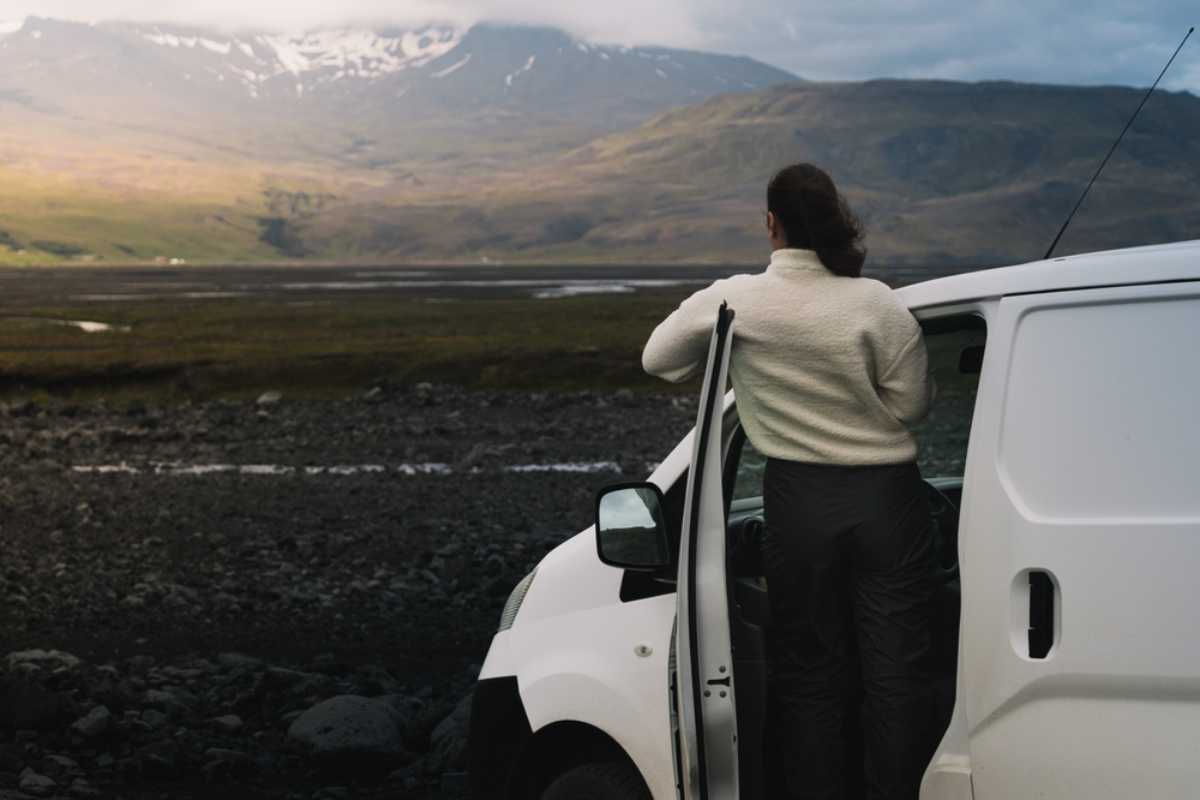
Camping is a cost-effective, flexible option that offers exceptional value, especially for couples.
Higher Comfort Trip
~$3500-$5500+
- Premium flights plus baggage
- Boutique hotels and 4-star stays
- Private or small-group tours
- Dining out regularly
- Premium experiences like ice caves, guided glacier tours, and spa experiences
A high-comfort trip is best for travelers who want a smooth, experience-focused trip without worrying about their budget.
When Iceland Gets More Expensive, and When It Gets Easier to Save
Before you commit to visiting Iceland, you should explore when the Iceland trip cost is higher and lower to guide you in choosing the best option for your budget. Here’s a look at how each season aligns with your budget:
Summer (June-August): Highest Prices, Easiest Travel
Most expensive time to visit
- Flights: Peak demand means the highest fares
- Accommodations: Often fully booked, prices can surge 20-40%
- Car Rentals: Limited supply leads to sharp price increases
- Tours: Highest pricing, especially popular routes
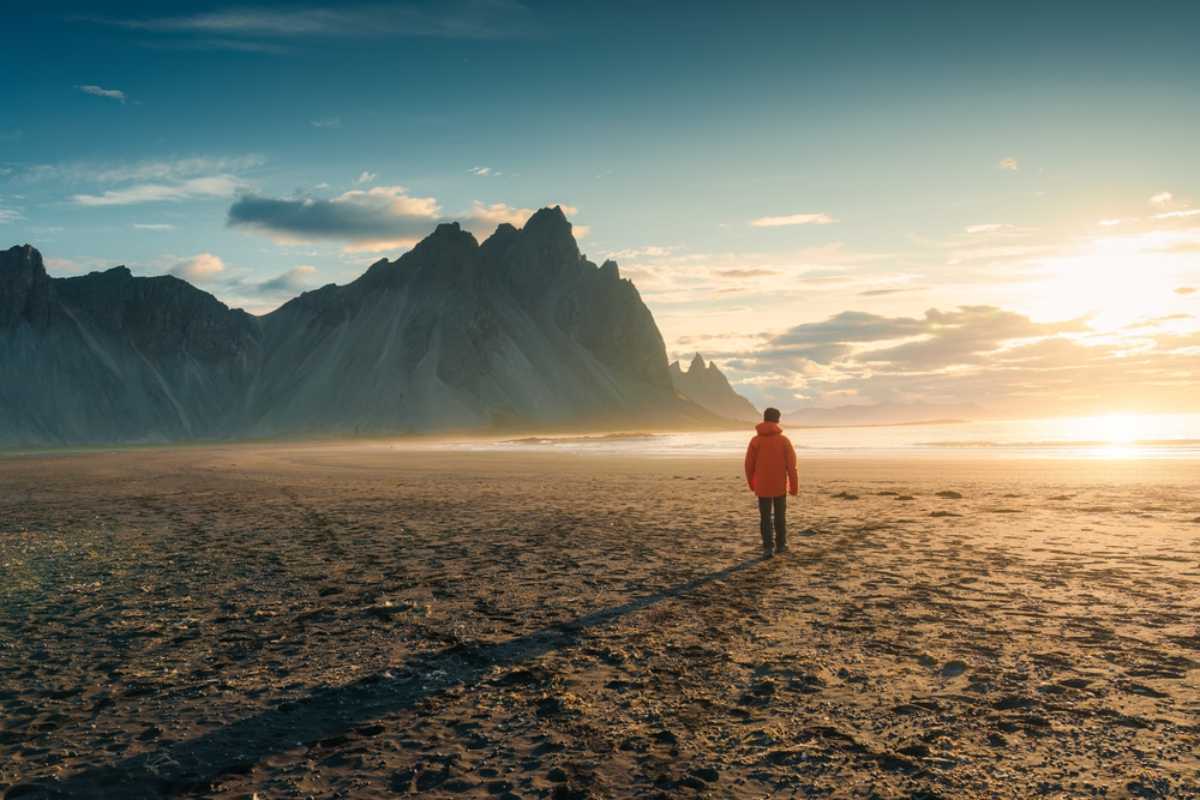
Why people still go:
- 24-hour daylight (the Midnight Sun)
- Best weather and road conditions
- Full access to remote regions like the Highlands
Trade-off: You pay a premium for convenience, flexibility, and ideal conditions.
Shoulder Season (May, September): Best Value Balance
Best mix of price and experience
- Flights: More reasonable, fewer price spikes
- Accommodation: Easier to find deals
- Car Rentals: More availability, lower rates than in summer
- Tours: Still widely available, sometimes discounted
Why it’s a sweet spot:
- Beautiful landscapes (spring bloom or early fall colors)
- Decent daylight hours
- Lower crowds at major sites
Trade-off: Weather is less predictable, and some remote roads may be closed.
Winter (October-April): Cheapest, but More Limited
Lowest overall prices
- Flights: Often the cheapest time of the year
- Accommodation: Off-season discounts are common
- Car Rentals: Low base rates, but insurance costs may rise
- Tours: Some discounts, but fewer overall options
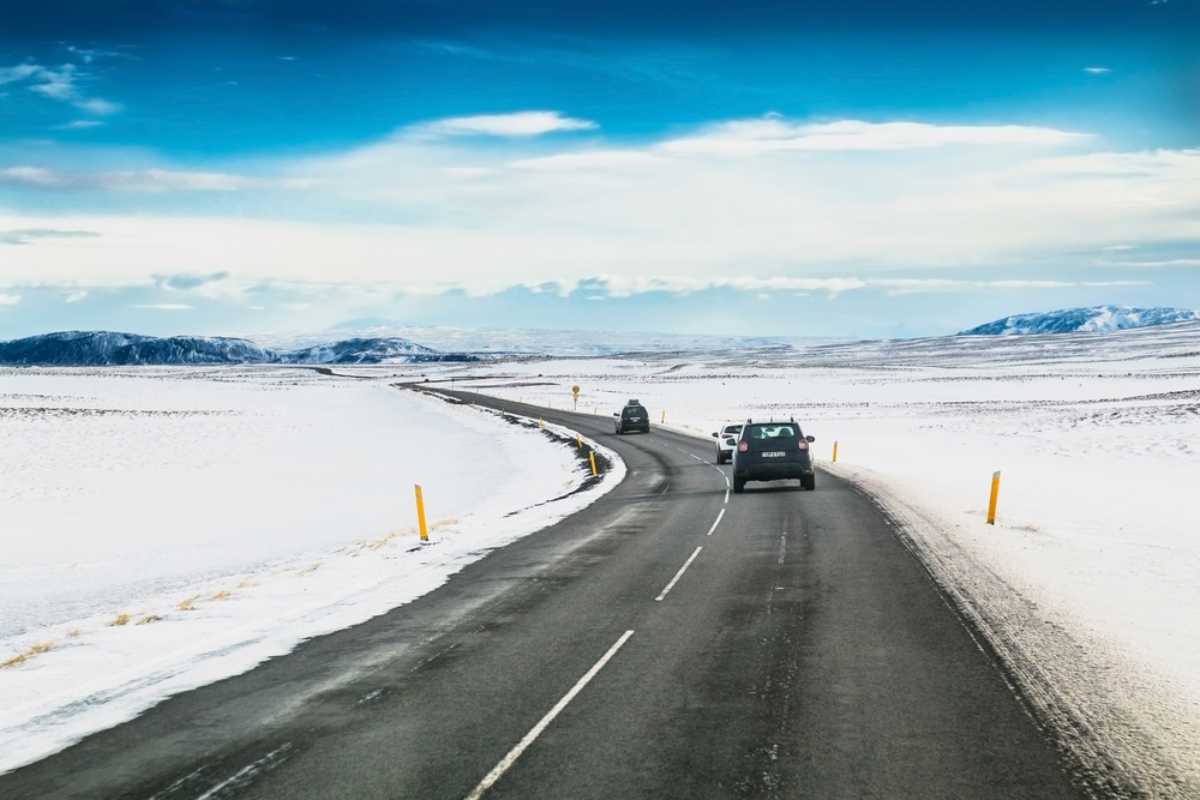
Why Go in Winter:
- Northern Lights opportunities
- Ice caves and snowy landscapes
- Less crowded popular sites
Trade-off: Daylight hours are short, and weather disruptions are possible. Remote regions are inaccessible.
If you want the lowest cost, go in winter. For the best balance of price, access, and experience, choose May or September. If you prefer maximum access and easy driving, summer is the best solution, despite the higher costs.
How to Reduce Your Iceland Trip Cost Without Ruining the Trip
The good news is that there are ways you can reduce your Iceland trip cost without sacrificing the experience you want. Transport alone can change your total by $500-$1000, so choosing the right approach matters. Here are a few ways to cut costs.
Book Early
You can save up to 20-40% on your flights, accommodations, and rental cars if you book them months ahead instead of waiting until the last minute. You may have less flexibility if your plans change, but Iceland’s peak season sells out fast. Waiting to book usually costs more, especially for summer dates.
Cook Some Meals
We found that skipping even one sit-down meal a day made a noticeable difference without feeling restrictive. We saved about $20-$40 a day per person. Shop at the grocery stores and choose simple meals like sandwiches or pasta. You won’t get the full Icelandic food experience, but you can still enjoy a few meals out.
Choose Fewer Paid Tours
Paid tours in Iceland can cost between $100 and $300 per person. Instead of taking tours for your whole trip, choose one or two must-do experiences and skip the rest. You may miss out on some guided experiences, but many of Iceland’s impressive sights are free or have a small parking fee.
Travel in a Pair or Group
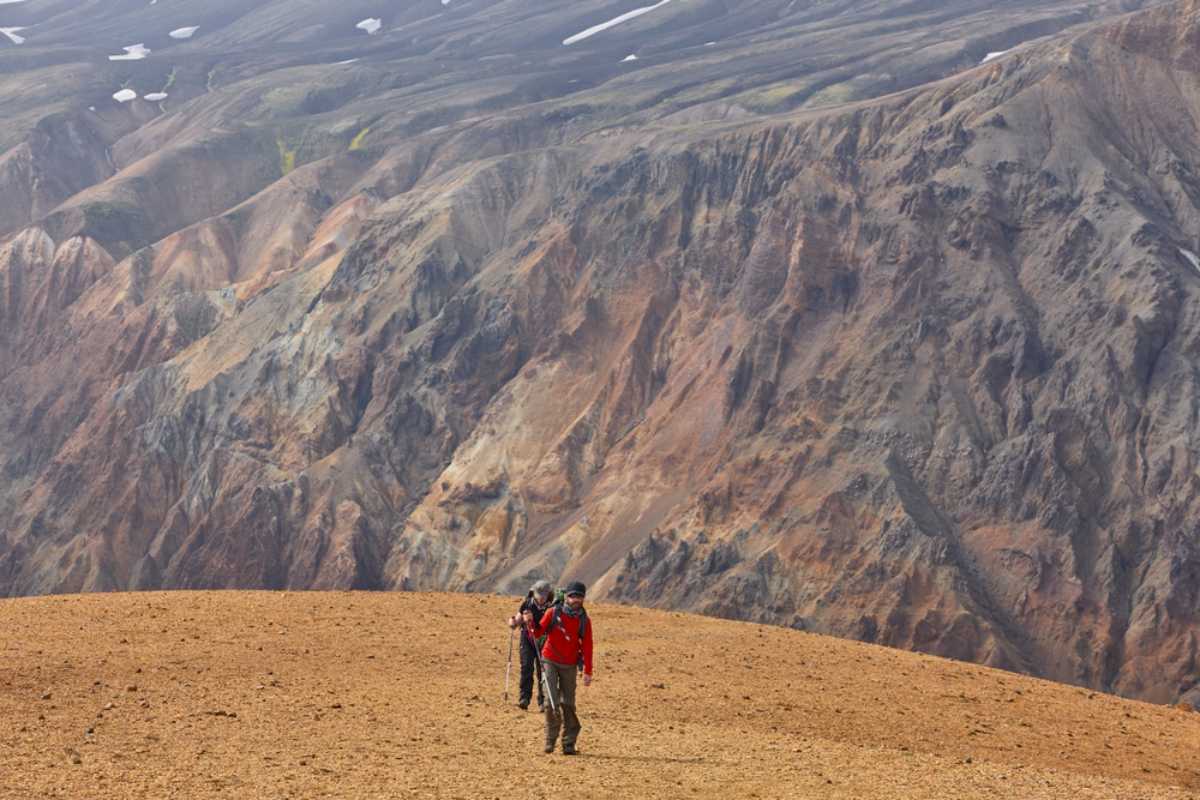
The Iceland trip cost for 2 or for a group can be 10-30% less per person, simply by sharing costs like the rental car and accommodations. You’ll have someone else to account for in your plans, but get a significantly better value for your road trip.
Prioritize Free Natural Attractions
Many of Iceland’s best natural sights, including waterfalls, black sand beaches, and lava fields, are free, although many charge a nominal parking fee. To save money, build your itinerary around these stops and add just a few paid experiences. You’ll check off fewer bucket list items, but your trip will be just as memorable.
Pick the Right Transport Style
Choosing wisely can save you hundreds of dollars. We debated switching to tours-only in Reykjavík, but ultimately stuck with self-driving because we didn’t want to lose the freedom to change plans on the fly. Self-driving is better for two or more people while maintaining flexibility. Basing in Reykjavík and taking tours means not renting a car or driving, but the costs add up fast. Booking a campervan combines your lodging and transportation, decreasing your costs.
- Self-drive: More responsibility
- Tours: Less freedom and higher daily costs
- Campervan: Sacrifice some comfort
Overall, you don’t need to cut everything to bring your budget down; you just have to be selective about what you do. By making a few smart choices, you can reduce your total costs significantly and still feel like you’re getting the trip of a lifetime.
Common Budgeting Mistakes People Make in Iceland
Some travelers make serious budgeting mistakes that result in higher costs. You can save a lot of money simply by learning how to avoid these common errors:
Underestimating Accommodation
Many travelers set their accommodation budget based on experiences in other parts of Europe. However, even basic guesthouses and budget hotels can cost $120-$200 per night in peak season. Popular areas like Reykjavík and the South Coast book up early, increasing prices. Waiting too long or under-budgeting limits your options and leaves you overpaying.
We saw this firsthand when trying to book last-minute on the South Coast. What looked “available” online often doubled in price by the time we checked again a week later.
Assuming Food Will Be Cheap If They “Wing It”
Iceland isn’t a good place to casually grab cheap food wherever you go. Restaurant meals often cost $25 to over $50 per person. Not having a food plan ahead of time also leads you to eat out more often, increasing your food costs. We underestimated how quickly casual meals add up, especially when you’re tired after a long driving day.
Adding Too Many Paid Activities
Paid activities are tempting in Iceland. Glacier hikes, ice caves, whale watching, and other similar experiences require paying for a tour, but these can easily cost $100-$300 per person. If you book something like this every day, you’ll pay $500-$1000 per person for just the tours alone.
Ignoring How Much Transport Changes the Total
Transportation in Iceland isn’t just a minor detail; it’s a significant part of your budget. Rental cars, plus the insurance and fuel they require, can add up quickly. However, guided tours are even more costly in the long run. Before you choose, compare the totals and evaluate your needs to avoid unexpected high costs.
Confusing “Cheap” with “Good Value”
Trying to minimize your costs for everything can backfire. Choosing only the cheapest options may mean a poor location, long travel times, or uncomfortable experiences. Saving a little money isn’t worth it if you’re losing time, flexibility, or comfort in exchange.
Don’t let small mistakes add up to a costly trip. Avoiding these common mistakes will help you keep your budget under control.
Final Recommendation: What Should You Budget for Iceland?
Whether you’re planning a budget trip to Iceland or have more money to spend, knowing how much to expect is essential before you start planning.
Safest Budget for First-Time Travelers
Plan to spend $2500-$3500 per person for a 5-7 day trip. This range will give you plenty of room for guesthouses or mid-range hotels, a rental car or a few guided tours, eating out occasionally, and one or two memorable paid activities.
This is a budget that won’t leave you feeling restricted, while avoiding the most common planning mistakes. If we were planning our first trip again, this is the range we would aim for. It leaves enough flexibility for spontaneous stops without constantly checking prices.
Realistic Mid-Range Budget
You can expect to spend between $2200 and $3200 per person on guesthouses or simple hotels, a shared car for a self-drive trip, a mix of groceries and restaurant meals, and a few paid experiences.
Most travelers fall in this range, especially those who are planning a road trip along the South Coast or other regions.
When Iceland Can Be Cheaper Than Expected
You can reduce your travel budget to around $1400-$2200 per person if you make a few compromises along the way, such as:
- Traveling in May or September
- Sharing costs with a partner or group
- Cooking most meals
- Focusing on free natural attractions
- Considering a campervan to combine accommodations and transportation
Iceland may feel expensive, but it’s more manageable when you control the highest costs like accommodations, transportation, and food.
When It Gets Expensive Fast
An Iceland trip can quickly climb to $3500 or even over $5500 per person if you want a more luxurious experience. Costs can easily double when you:
- Travel in summer
- Book late
- Stay in hotels every night
- Rely on guided tours instead of self-driving
- Eat out for every meal
- Add multiple premium activities
This is exactly where we saw costs creep up most, usually not from one big decision, but from stacking small conveniences like daily tours and restaurant meals.
FAQ
Is Iceland expensive for U.S. travelers?
Yes, Iceland is a more expensive destination when you compare it to other European destinations. Prices for food, accommodation, and transportation are high, but flights from the U.S. are generally affordable. You can also control your costs by self-catering, taking no or fewer tours, and sharing expenses.
What is the cheapest way to visit Iceland?
You can visit Iceland for less by traveling in the shoulder season, staying in hostels or campsites, cooking most meals, sharing a rental car or using public transport, and focusing on free natural sites. When done right, you can enjoy Iceland for as little as $1400-$2000 per person for up to 7 days. In practice, the cheapest version still felt rich in experiences because most of the landscapes don’t require paid entry, just parking.
How much money do I need for 7 days in Iceland?
Realistically, you should have:
- Budget: $1500-$2200
- Mid-Range: $2200-$3500
- Higher Comfort: $3500+
Most travelers can expect to spend around $2500-$3500 to avoid cutting too many corners.
Is Iceland cheaper with a car or with tours?
In most cases, a self-drive trip is a better value and more flexible. You can save money if you are a couple or traveling in a group, since you can share the costs of accommodations and car rentals. Tours from Reykjavík are easier, especially for solo travelers, but they can cost $100-$300 per person per day.
Is summer more expensive than winter?
Yes, summer is the most expensive time due to higher flight prices, limited accommodation availability, and expensive rental cars. Winter is cheaper overall, but you’ll have short daylight hours and a higher risk of weather disruptions. However, you can save 20-40% over summer prices.
How much should a couple budget for Iceland?
For 5-7 days, you should expect:
- Budget: $2800-$4000 total
- Mid-Range: $4500-$6500 total
- Higher Comfort: $7000+ total
Couples save the most money on accommodations and car rentals, saving 10-25% over those who travel solo.


